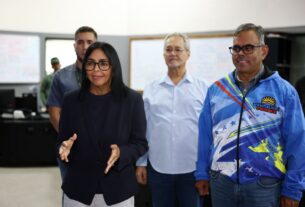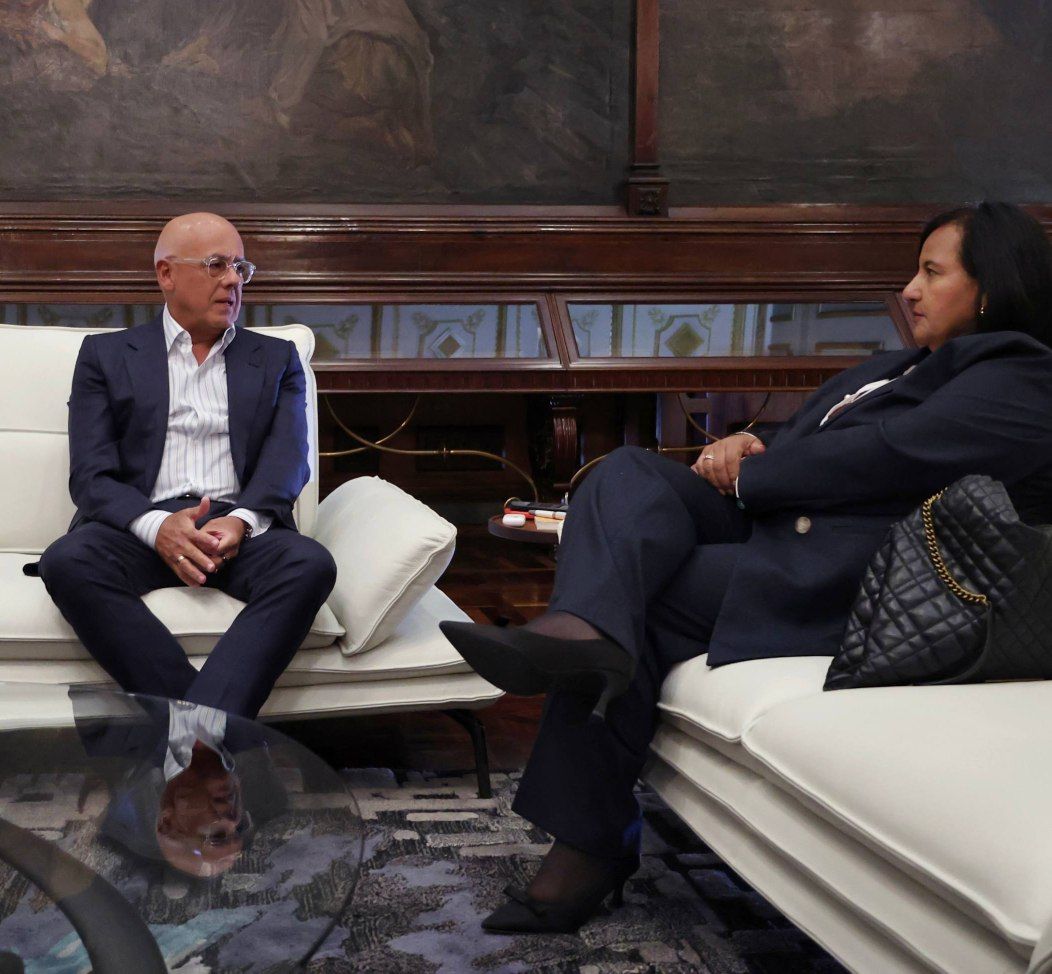
The Daily Journal. — In a development that reshapes Venezuela’s political landscape, opposition leader Dinorah Figuera returned to the country on Thursday after years in exile. Acting as the representative of the lawmakers elected in 2015, she reached an agreement with Jorge Rodríguez to establish a “parity-based technical and political working group” to support a future transition process.
Figuera’s return follows a strategic course set directly by U.S. diplomacy. Upon arriving in Maiquetía, the lawmaker explained that her agenda responds to an invitation from Michael Kozak.
“At this moment, we urgently need everyone to take a position and responsibly embrace the real possibility of building an agenda that allows us to face one another, resolve issues, discuss them, and acknowledge all our differences. At the same time, we must work on electoral matters, freedom of expression, citizenship, and the real possibility of building a community that receives social assistance and feels protected,” Figuera told reporters.
According to the official statement issued by the National Assembly of Venezuela, Figuera and Rodríguez agreed to establish “a parity-based technical and political working group with an agenda that includes concrete milestones and timelines aimed at strengthening democracy, consolidating peace, and pursuing a future of well-being and prosperity for Venezuelans.”
Earlier, the opposition leader had outlined several demands, including the appointment of “a credible, strong, and trustworthy National Electoral Council.”
Addressing the likely tensions that may arise with other sectors of the Venezuelan opposition, she stated:
“I respect all my colleagues. I set aside partisan affiliations and respond to a very serious and responsible invitation. On that basis, I will work for the country.”
A fracture in the opposition bloc or a multi-track strategy?
Political analyst Juan Barreto believes that Figuera’s arrival in Caracas and the subsequent joint statement alter the preliminary agreements that the traditional opposition had been developing abroad. In his view, the move weakens the argument for parliamentary duality and challenges the leadership that María Corina Machado has sought to consolidate in recent months.
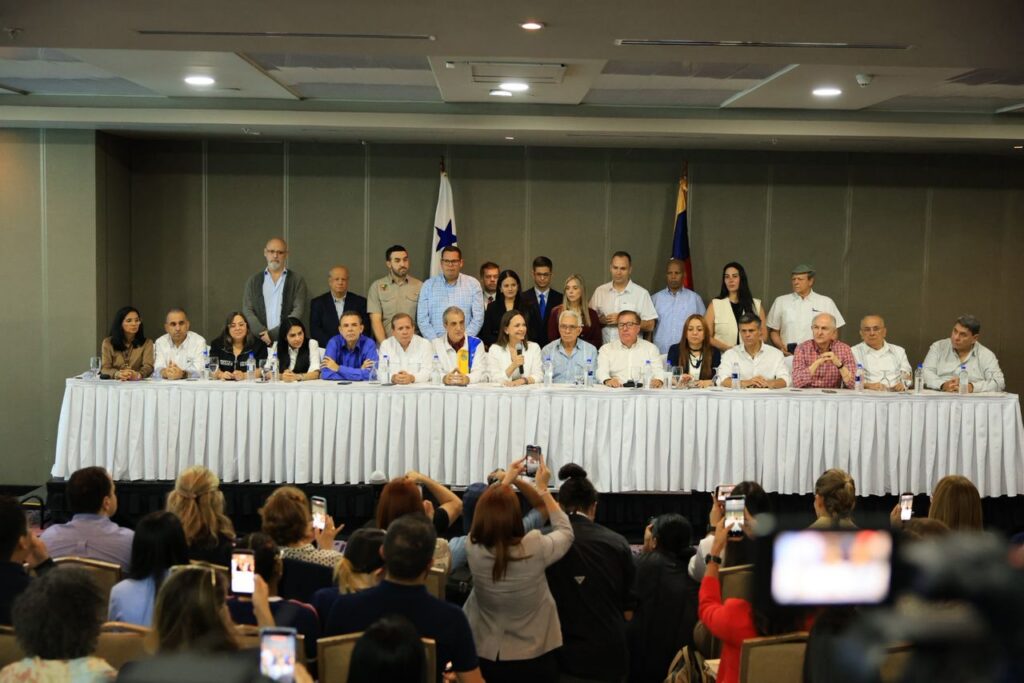
“Despite María Corina Machado’s efforts to unify opposition forces around her and secure recognition as the sole spokesperson and negotiator, initiatives emerging from Panama seem to arrive too late in the face of previous agreements reached by other actors pursuing their own vision, interests, and political positioning on the board,” Barreto said.
The university professor also highlighted what he considers a significant detail: Figuera’s silence on the Unit Platform’s consensus positions.
“The arrival of Dinorah Figuera, who neither mentions María Corina nor refers to the Panama meeting, appears to reveal a fissure—if not an outright fracture—within the opposition’s most publicly promoted hegemonic bloc,” he noted, while warning that the coming days will prove crucial in gauging the response from Machado’s political circle.
According to Barreto, Figuera’s return “redefines the political landscape of opposition unity, and several scenarios may be unfolding: either a fracture exists, or different actors are pursuing a multi-track strategy.”
For Barreto, the signing of this initial working memorandum and the establishment of the parity-based working group, backed by the Interim Presidency and Washington, “appears to close a chapter in the dispute over international legal recognition of a single parliamentary voice and opens the door to a key joint body for a future transition process.”