The Venezuelan currency has lost half of its value against the U.S. dollar so far in 2026, while cumulative inflation has climbed above 100% and wages remain frozen.
By Neirlay Andrade
Venezuela’s official exchange rate crossed the 600-bolivar threshold on Thursday, marking a milestone that threatens to accelerate the erosion of purchasing power for millions of families in a country where businesses price most goods and services in foreign currency.
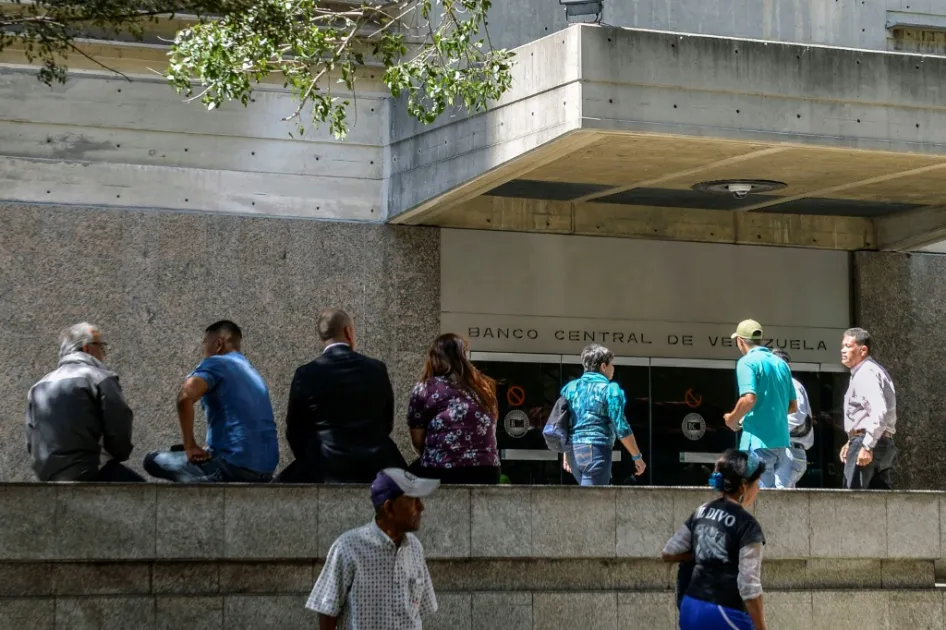
The official rate published by the Central Bank of Venezuela (BCV) reached 602.33 bolivars per dollar, reinforcing the depreciation trend that has characterized 2026.
According to figures from the central bank, the U.S. currency has risen 99.8% since the beginning of the year, when it traded at 301.37 bolivars. In June alone, the increase has reached 8.64%, climbing from 554.42 bolivars to more than 600 bolivars per dollar.
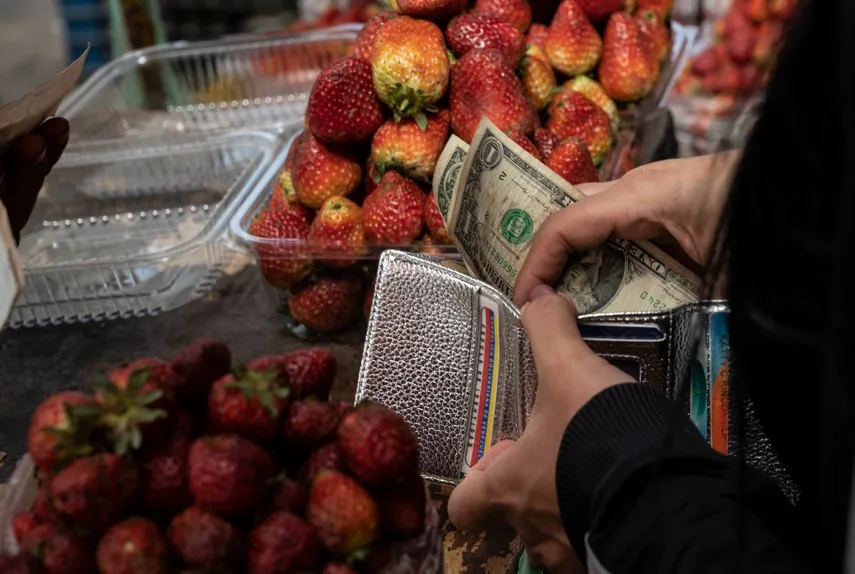
The local currency continues to lose value rapidly in a de facto dollarized economy, where merchants use the U.S. dollar as the benchmark for setting prices. As a result, every increase in the exchange rate adds another layer of pressure to the cost of living.
Champions of inflation
In May, the BCV reported that monthly inflation slowed to 6.3%, the lowest figure in 19 months. Nevertheless, cumulative inflation during the first five months of the year reached 102%, while the annualized rate stands near 524.5%, among the highest in the world.
For economist Hermes Pérez, inflation above 500% poses a direct threat to the population’s living conditions.
“Venezuela is the champion in this regard. We have the highest inflation in the world,” he said.
In his view, the phenomenon becomes particularly severe in a country where poverty remains widespread.
“A 600% inflation rate essentially condemns many people to hunger,” he argued.
Pérez noted that the sustained rise in prices forces households to make extraordinary efforts simply to maintain their consumption levels.
“One has to look at what it means for a family to increase consumption in a year when goods and services have risen by more than 600%. That is truly a titanic task for anyone,” he explained.
The economist also warned about the exchange-rate distortions that continue to affect the Venezuelan market and pointed to the authorities’ inability to establish a single reference rate for the U.S. dollar.
“The Central Bank has not been able to unify the exchange rate,” he said, referring to the coexistence of different dollar values within the financial system.
Wages reduced to dust
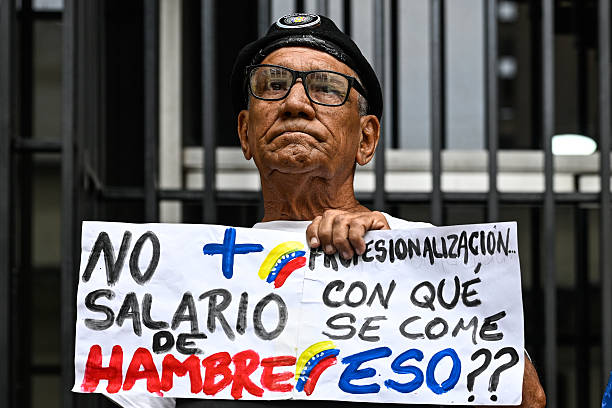
While prices continue to rise, labor income continues to lose ground.
Economist Manuel Sutherland recalled that the legal minimum wage has remained frozen at 130 bolivars per month since March 2022, an amount that today amounts to only a fraction of a dollar at the official exchange rate.
“We have the lowest-paid workforce in the world,” he said.
Over the past several years, the government has replaced part of its wage increases with bonus payments that do not generate social benefits or other labor-related protections.
Although monthly bonuses have increased gradually and can now provide public-sector workers with income close to $240 per month, Sutherland believes this policy has weakened both the compensation system and the country’s social safety net.
“Venezuela faces a serious wage crisis and needs to discuss the restructuring of its benefits system,” he said. “We need to restructure social security, and we need to restore dignity to work.”
The combination of high inflation, bolivar depreciation, and frozen wages continues to shrink Venezuelans’ purchasing power, particularly among public-sector employees, pensioners, and workers whose income remains denominated in local currency.
Poverty persists
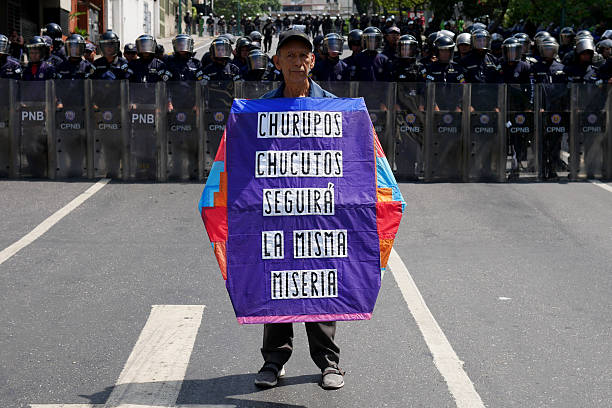
For households, the dollar’s rise above 600 bolivars means far more than a change in the exchange rate. It means that families need more bolivars every day to buy food and medicine and to access basic services.
According to the 2025 National Living Conditions Survey (ENCOVI), conducted by the Andrés Bello Catholic University (UCAB), 68% of Venezuelan households live in poverty, while 32% live in extreme poverty.
Research coordinator Anitza Freitez explained that Venezuela has undergone a broad process of impoverishment over the last decade. According to the survey’s historical data, income poverty affected nearly 90% of households after 2014, amid economic recession, hyperinflation, and state controls over the economy.
“After 2021, conditions improved as the country dismantled control systems, incomes recovered, and economic growth returned,” Freitez said during the presentation of the 2025 ENCOVI results.
Although the indicators show a sustained decline in poverty compared with the most critical years of the economic emergency, the researcher warned that more than two-thirds of Venezuelan households still do not generate enough income to meet their basic needs.