The Daily Journal.- This Wednesday, during the presentation of the Industrial Economic Survey (ECI-I26), the Venezuelan Confederation of Industrialists (Conindustria) revealed that private manufacturing has managed to increase its operational capacity and improve employee compensation. However, the business association warned that the lack of widespread bank credit and deficiencies in the national electricity supply act as ceilings preventing the country’s full productive capacity from being deployed.
One of the highlighted indicators is the improvement in Installed Capacity Utilization (ICU), which stood at 48.4% by the end of the first quarter of 2026, surpassing the 45.8% recorded during the same period last year.
Despite the improvement, Conindustria president Tito López stressed that 51.6% of capacity remains available, representing an immediate growth opportunity if the correct incentives are implemented.
This slight operational rebound has positively impacted cash flow, allowing the industry’s average compensation to reach $561, an increase of 12% compared to last year.
The income structure within the manufacturing sector shows an upward trend at all levels. By the end of this quarter, factory workers earned an average of $291, while professionals received $562 and managerial positions reached $1,155.
Lack of Financial Leverage
The scarcity of credit remains the main bottleneck for industrial expansion in Venezuela. Despite slight improvements in production indicators, the manufacturing sector continues operating largely disconnected from the formal financial system, forcing companies to rely exclusively on their own resources to survive and grow.
According to the survey, only 27% of industrial companies managed to obtain bank financing during this period, forcing most firms to rely on capital contributions from partners and retained earnings.
“Our own cash flow has brought us this far, but bank credit is the natural oxygen of manufacturing. An economy aspiring to expand aggressively requires financing at scale. This is the moment to inject liquidity into the sector that truly transforms the country,” the business leader stated.
The Fragility of the National Electrical System
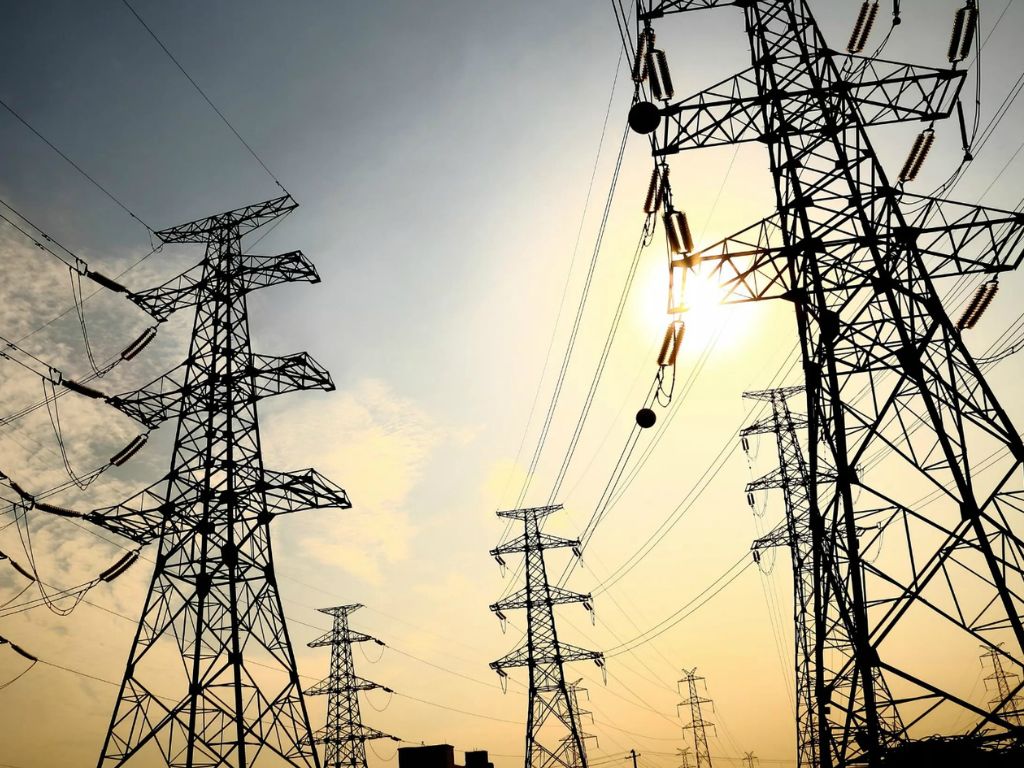
On the other hand, operations continue to be affected by the instability of the National Electrical System (SEN). The report recorded an average of 47 unplanned power outages during the quarter, a situation that has forced companies to seek their own alternatives.
Although 59% of industries have partial self-generation systems, López emphasized the technical limitations of these solutions when facing the demands of large-scale production.
“There are high-demand processes that emergency power plants cannot sustain continuously. We require a robust power supply in order to compete. Self-generation is invaluable support, but competitiveness demands first-class infrastructure,” he concluded.