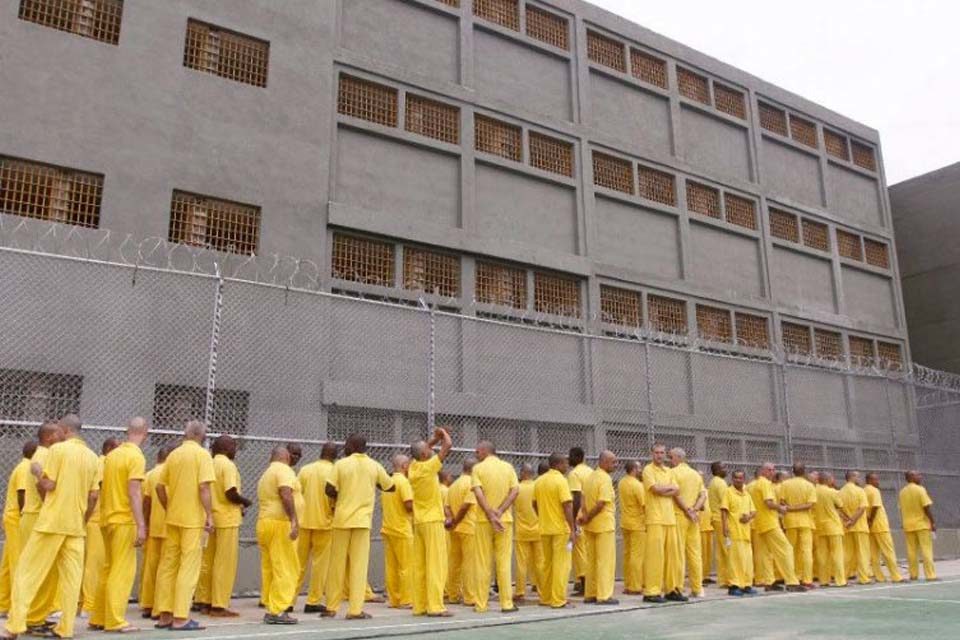
The Daily Journal — Venezuela’s prison system recorded an average of one inmate death every two days during 2025, reaching a total of 181 deaths in prisons and police detention facilities, according to the annual report presented by the Venezuelan Prison Observatory (OVP).
The report, titled In Venezuela, Death Is Preferable to Living the Horror Behind Bars, identifies the lack of medical care and healthcare supplies inside state detention facilities as the leading cause of mortality within the prison system.
During the presentation of the report, OVP Director Humberto Prado stated that Venezuela’s prison crisis “is not new, but the scale of indifference is.”
Prado also criticized the country’s judicial oversight institutions. According to him, the Ombudsman’s Office, the Public Prosecutor’s Office, and the Judiciary “operate as follows: one does not see, another does not hear, and the other does not speak. Meanwhile, people deprived of liberty continue to die in Venezuela’s prisons.”
Lack of Medical Care Leads to Causes of Death
The organization’s monitoring data showed that 158 of the 181 documented deaths occurred in major prisons, while 23 occurred in pretrial detention centers or police holding cells.
The organization emphasized that 151 deaths in major prisons—equivalent to 95.57% of the prison system’s recorded fatalities—resulted from the absence of timely medical assistance. The OVP classifies those cases as deaths caused by institutional negligence.
Critical Overcrowding and Judicial Limbo
The organization reported that the prison infrastructure operates under severe limitations. Venezuela has 52 prison facilities, but authorities currently operate only 39. The active network includes 35 male prisons, one women’s prison, one judicial detention center for men that also houses women, and 11 mixed facilities with sections designated for female inmates.
The OVP estimates that 26,694 inmates currently occupy facilities designed to hold 15,096 people. This ratio places overcrowding at a critical level of 176.83%. The report also highlights the persistent lack of government transparency regarding data needed to audit active detention facilities.
Regarding judicial status, the observatory found that 75% of inmates remain in pretrial detention without a final conviction, while only 6,427 individuals have received a final sentence. Men account for 24,149 inmates, while women account for 2,545 inmates, representing 9.53% of the total prison population.
Detention Conditions and Political Prisoners
The organization documented the deaths of 26 individuals considered political prisoners while under state custody between 2015 and 2025, including four cases during 2025.
The report mentions the death of Víctor Quero Navas at Rodeo I Judicial Detention Center. The NGO argues that authorities have neither presented concrete findings nor assigned criminal responsibility in the case since officials carried out the exhumation of his remains.
The organization’s director also denounced the use of isolation regimes and complete incommunicado detention, arguing that these practices severely damage inmates’ mental health.
“The State even denies them the ability to know whether their relative remains alive. Proof of life is not a privilege; it is a right. Turning it into uncertainty constitutes a form of psychological torture for both the inmate and the family,” Prado said.
Among the operational irregularities documented at Rodeo I, the NGO listed selective electricity outages, prolonged isolation cells, severe restrictions on family visits, violent inspections, and the transfer of relatives by civilian and military custodial personnel who concealed their faces.
Women and Juveniles
Female inmates face serious shortages of drinking water, balanced nutrition, gynecological care, and adequate facilities for motherhood. Most women rely on flour-based foods and grains supplied by family members. The organization stressed that women accounted for five of the 158 health-related deaths reported in prisons.
Finally, the NGO warned about the lack of official information concerning minors and adolescents under the juvenile criminal justice system.
As part of its annual recommendations, the Venezuelan Prison Observatory urged the Venezuelan government to restructure prison policies under a decentralized model that restores operational autonomy to judicial institutions and guarantees regular access to food, drinking water, and medical services within detention facilities.