Cardón IV Strengthens Its Position as Western Venezuela’s Energy Hub
Audio: https://clyp.it/ng0wbxnh
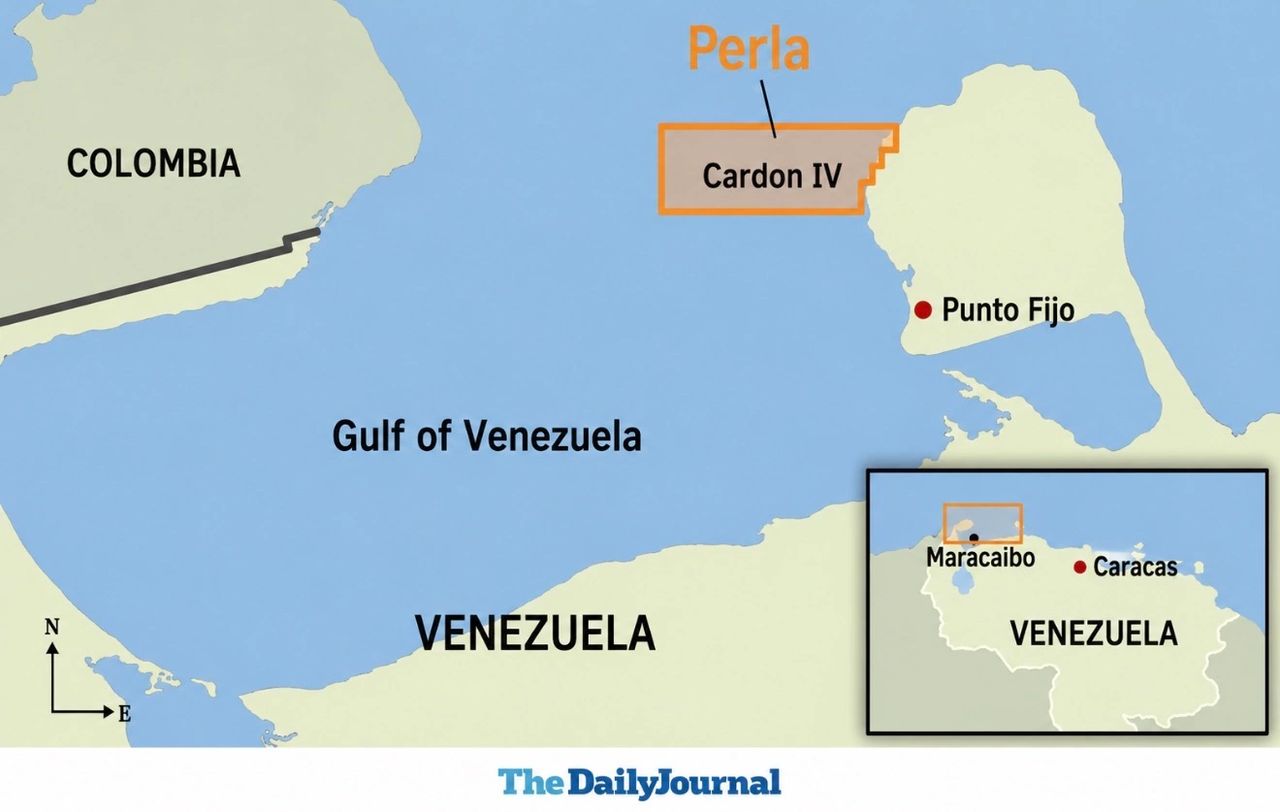
Julio A. López. — European energy companies Eni and Repsol are advancing a new plan to increase natural gas production in Venezuela, strengthening the development of the giant Perla field located in the Cardón IV block, in the waters of the Gulf of Venezuela off the coast of Falcón State.
According to information presented at recent energy conferences, both companies aim to raise production from approximately 580 million cubic feet per day to 645 million cubic feet per day through new drilling campaigns, operational improvements, and expanded infrastructure.
The Cardón IV project includes the Perla field, one of the largest natural gas discoveries in Latin America. Estimates place its resources at roughly 17 trillion cubic feet of gas in place, enough to rank it among the most strategic energy assets in the entire Caribbean Basin.
The expansion comes at a critical moment for Venezuela as the country seeks to reestablish itself as a regional gas powerhouse after decades of focusing almost exclusively on oil production. Perla currently supplies gas to power plants, petrochemical complexes, industrial facilities, and households across western Venezuela, while new investments create opportunities for future exports to international markets.
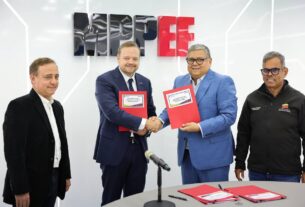
Several industry sources indicate that agreements between Venezuelan authorities, Eni, and Repsol establish a roadmap to increase domestic production and, later, support natural gas export projects and even liquefied natural gas developments before the end of the decade.
The initiative also reflects renewed international interest in Venezuela’s energy potential. Repsol has publicly expressed its intention to significantly expand its operations in the country, while Eni has resumed debt-recovery mechanisms through agreements linked to Venezuelan energy production.
For industry analysts, the development of Cardón IV represents much more than an increase in production.