The Daily Journal.- As part of its new strategy to modernize the financial control system, the Office of Foreign Assets Control (OFAC) of the U.S. Department of the Treasury formally removed from its Specially Designated Nationals and Blocked Persons (SDN) List a group of oil tankers that had been sanctioned for being part of the so-called “ghost fleet” involved in opaque Venezuelan crude trading.
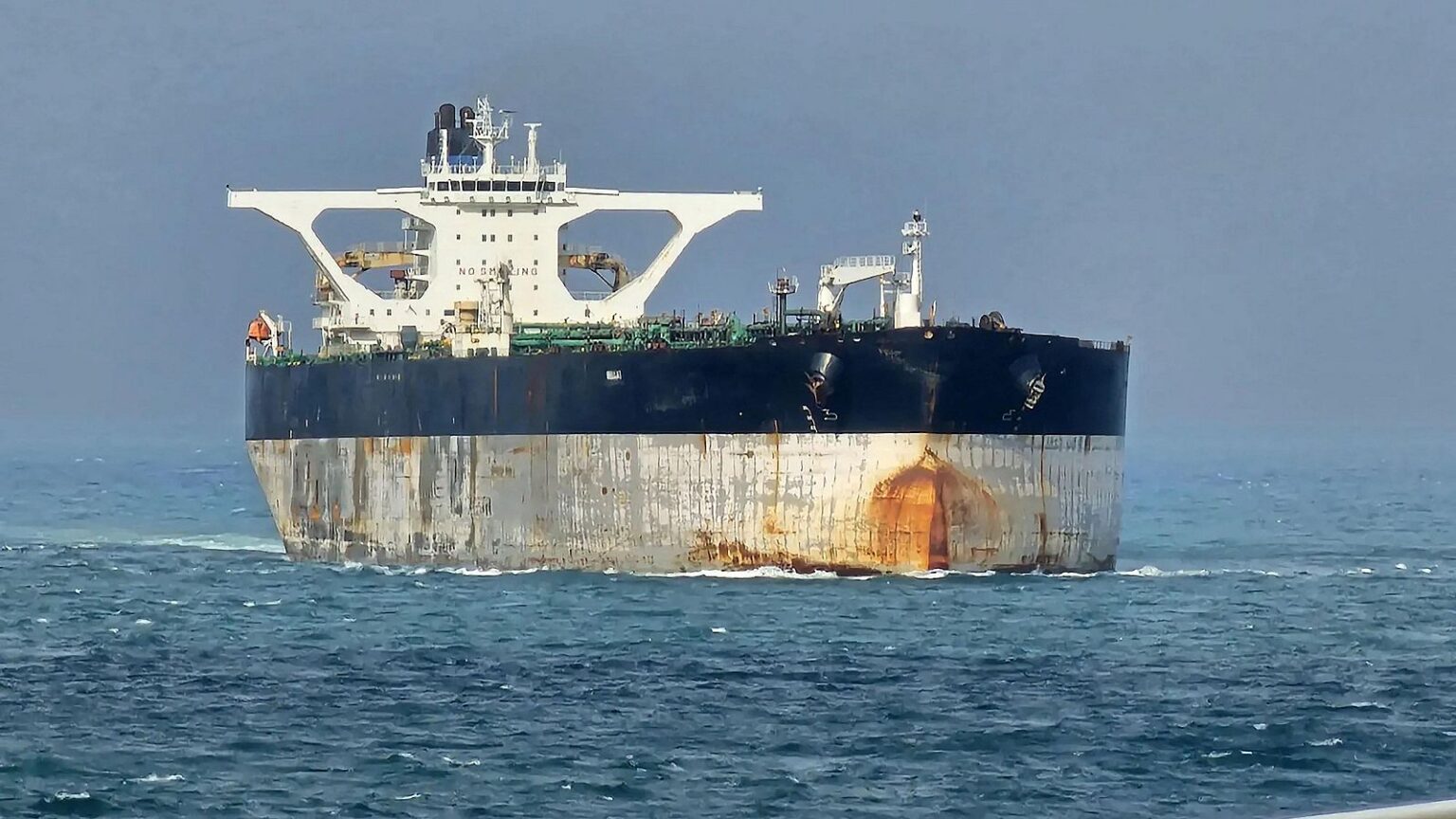
The measure is part of a large-scale cleanup involving 76 “outdated” targets announced Thursday by Treasury Secretary Scott Bessent . Among the permanent removals are vessels that had operated under different identities and flags to evade international tracking and were classified by U.S. authorities as “scrapped or dismantled vessels.”
“Dark fleet” vessels removed from the list
According to technical records updated by OFAC, the maritime assets no longer blocked by
U.S. authorities include DESPINA ANDRIANNA , a Liberian-flagged crude tanker (IMO 9182667), which had remained under sanctions because of its operational links to Ballito Bay Shipping Incorporated .
Also removed from the list was the Guyana-flagged supertanker MIA (also known in maritime circles as FREEDOM or MAGUS ). The vessel had faced dual sanctions after intelligence agencies determined it had been used by clandestine networks involving corporations such as Fides Ship Management LLC and Veline Shiptrade Incorporated to smuggle oil connected to Iran and Middle Eastern factions.
A technical cleanup, not political relief
The Treasury Department emphasized that removing these names does not represent a political softening toward illicit activities, but rather an administrative reorganization. Since these vessels had already been scrapped, converted into scrap metal, or destroyed, their continued presence on the SDN list generated unnecessary alerts and duplicated compliance work for the private sector.
Secretary Bessent explained that:
“The success of our sanctions should be measured in terms of effect, impact, and benefit to national security, not solely by the number of names the Treasury places on a list.”
With this extensive cleanup, OFAC aims to ensure that banks and compliance operators stop spending valuable resources reviewing false positives involving vessels that no longer exist.
Following this update, the U.S. government will redirect its technological and monitoring capabilities to “focus on sophisticated, high-risk sanctions evasion schemes,” while maintaining strict oversight of dark-fleet vessels that remain active in the illegal transport of commodities worldwide.