By Julio A. López.
Audio: https://clyp.it/sxc5j3do
Caracas, June 4, 2026 — Chevron has sent a clear message to the international energy market: Venezuela still offers extraordinary oil potential, but new investment will depend on big changes to the fiscal framework that governs the industry.
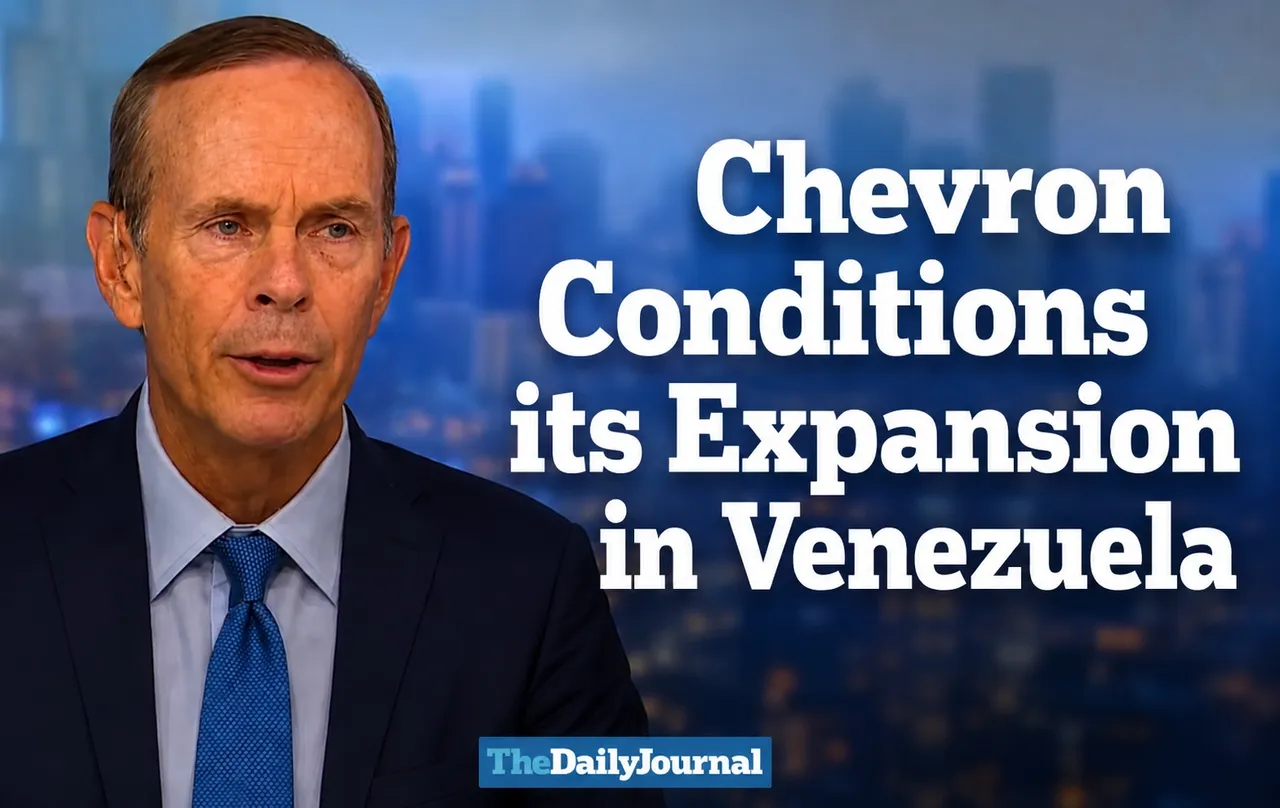
Chevron CEO Mike Wirth said in a Bloomberg interview today that the company needs Venezuela to lower taxes and royalties on oil production before it commits new capital to expansion projects next year.
His remarks rank among the most significant statements from a major international oil company since Venezuela began reopening its energy sector. Chevron currently stands as the largest U.S. oil company operating in the country and maintains interests in several joint ventures with PDVSA.
According to Wirth, Chevron continues to reinvest part of the revenue it generates locally while it completes the recovery of debts accumulated over many years. However, once the company completes that process, any major capital commitment will depend on whether Venezuela offers competitive economic conditions relative to opportunities elsewhere in the world.
Chevron’s position aligns with comments made months ago by other industry leaders. During the CERAWeek conference in Houston, executives from major oil companies argued that Venezuela must redesign much of its fiscal and contractual framework to attract large-scale investment.
The debate centers on three key issues: royalties, taxes, and legal stability. For years, the Venezuelan government has relied on PDVSA as one of its main sources of funding, while fiscal burdens have limited capital reinvestment in exploration, production, and infrastructure.
Ironically, Chevron made these comments while it continues to expand its operations in Venezuela. In recent months, the company has signed agreements to increase its participation in projects across the Orinoco Oil Belt and develop new extra-heavy crude production areas. Chevron aims to increase its production in Venezuela significantly over the coming years.
Industry sources estimate that Chevron-related production already accounts for roughly one-quarter of Venezuela’s current oil output, making the company one of the most important players in any national energy recovery strategy.
International investors continue to watch these negotiations closely. Venezuela holds the world’s largest proven oil reserves. Yet, much of its infrastructure requires billions of dollars in modernization, maintenance, and expansion to restore production levels comparable to those of previous decades.
Caracas now faces a simple but decisive question: how far will the country go to make its fiscal structure more flexible and attract the capital it needs?
The answer may determine not only Chevron’s future in Venezuela but also the pace at which the Venezuelan oil industry regains its prominence in global energy markets.