By Julio A. López.
Audio: https://clyp.it/febjsi2j
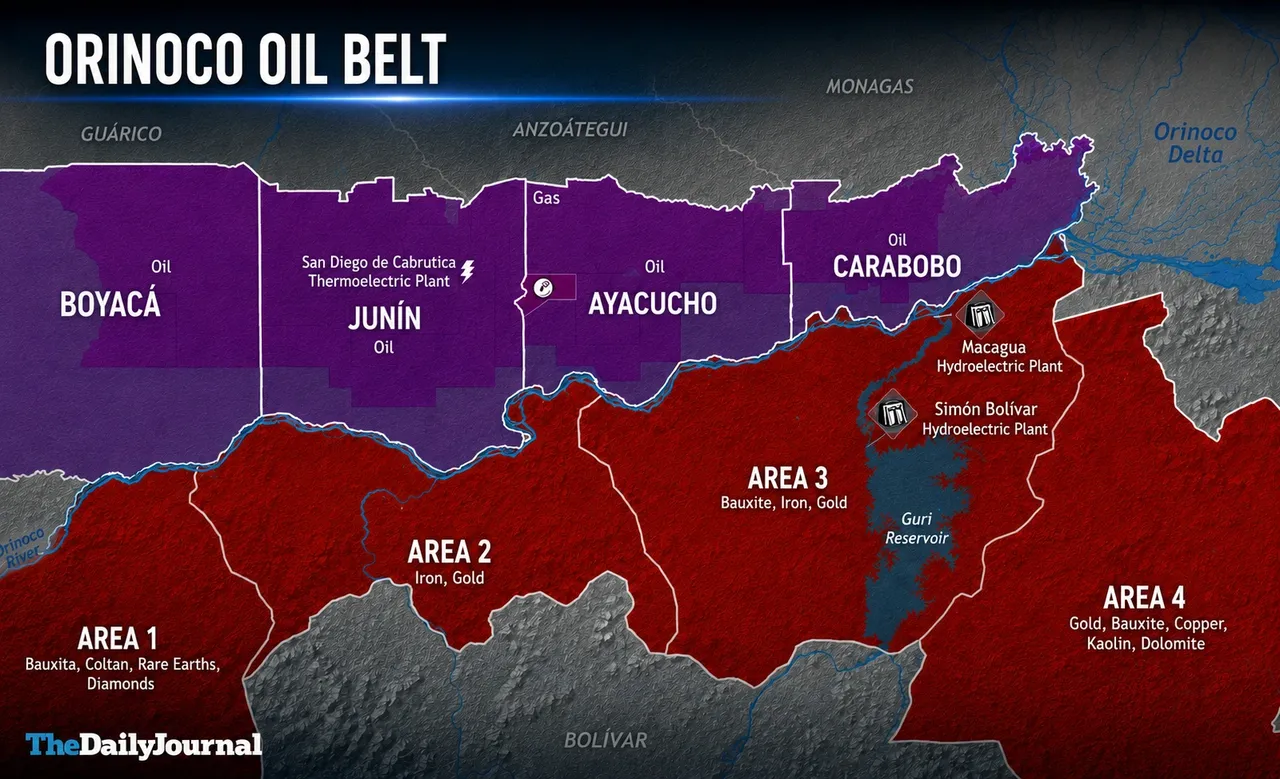
Caracas, June 3, 2026 — Venezuela hosts the world’s largest proven oil reserve in the Orinoco Oil Belt, with more than 300 billion certified barrels. This figure exceeds the reserves of countries that many people traditionally regard as energy giants, such as Saudi Arabia, Iran, and Canada. Located north of the Orinoco River and covering more than 55,000 square kilometers, this vast petroleum province represents one of the most important strategic assets in the global energy industry.
The Orinoco Belt consists of four major areas: Boyacá, Junín, Ayacucho, and Carabobo, which contain enormous volumes of extra-heavy crude oil. Technological advances in upgrading, processing, and transportation have transformed these resources from difficult-to-produce deposits into a production base capable of sustaining operations for many decades.
One of the Belt’s main competitive advantages lies in the magnitude of its reserves. While many producing countries face the gradual decline of mature fields, Venezuela possesses enough resources to maintain a significant position in the global energy market for the long term. This reserve base offers a strategic advantage for investors and operators interested in large-scale projects.
In addition to its size, the Belt includes vast areas that still offer development opportunities. Companies can expand production through new investments, technological innovation, and infrastructure growth. Several studies indicate that, under adequate financing, operational stability, and facility modernization, production could rise significantly above current levels.
Geography also provides an important advantage. Venezuela enjoys direct access to the Caribbean Sea and relatively short shipping routes to markets in the Americas, Europe, and Asia. This location facilitates exports and lowers logistical costs for some producers when compared with operations in more distant regions.
The oil infrastructure that Venezuela developed over several decades also serves as a differentiating factor. Although the country requires substantial modernization and maintenance efforts, it possesses technical expertise, industrial facilities, export terminals, and a long tradition of petroleum operations that can support future production growth.
The nature of the reserves also provides strategic strength. Although the Orinoco Belt contains extra-heavy crude that requires upgrading processes, its enormous volume guarantees a resource base that few producers can match. This characteristic allows companies to plan long-term projects with production horizons spanning generations.
Industry experts view the combination of vast reserves, growth potential, strategic location, and accumulated experience as a unique asset that positions the Orinoco Oil Belt among the world’s most important energy developments. In an environment of growing global energy demand, these factors could strengthen Venezuela’s role in the international oil market.
Despite the operational and financial challenges that the industry faces, the Belt remains the country’s most important energy asset and one of the largest hydrocarbon accumulations known to humanity. Its future development will continue to play a key role in Venezuela’s economy and in the global energy balance.