Vanessa Davies
Short whispers. Hostile stares. Shoves. Sexual assaults. Denial of identity. Murders. Trans people face a true ordeal every day. On June 13, they will bring that reality to life in Caracas.
According to Amnesty International, transgender people have a gender identity that differs from conventional expectations associated with their sex assigned at birth. As a result, society often denies their right to identity, restricts their access to employment, and questions their very existence.
Identity
The Marielle Franco Monitor—named after the Brazilian activist murdered in 2018—reports that only five countries in Latin America and the Caribbean legally recognize self-perceived gender identity.
Employment
“Workplace discrimination is a reality,” stresses Tristán, a Venezuelan trans man.
“There is a well-known case of a person who worked at a poke restaurant and identified as a trans man. The company required him to dress in a feminine way and shave his mustache. That happens all the time. It has happened to me as well. They tell me, ‘Everything looks great. Please send us a copy of your ID card or tax registration.’ Then they see my legal name, look at my face, notice that I look like a man, get confused, and never call me back. That happens a lot,” he explains.
Life
Being transgender can also cost people their lives. In 2024 alone, perpetrators murdered 113 trans women in Latin America and the Caribbean, according to the Lgbtiq+ Network Without Violence. The organization warns that threats, extortion, sexual violence, and disappearances often precede these murders.
The Trans Murder Monitoring Project reported 281 murders of trans and gender-diverse people in Europe between October 2024 and September 2025.
In Venezuela, the Venezuelan Observatory of Lgbtiq+ Violence documented 137 transfemicides between 2008 and 2024. The organization also recorded 52 cases of discrimination and violence against trans people between 2022 and the first half of 2023.
Dying Too Soon
On June 13, as part of Pride Month, activists will hold the “Memorial for Trans Lives.”
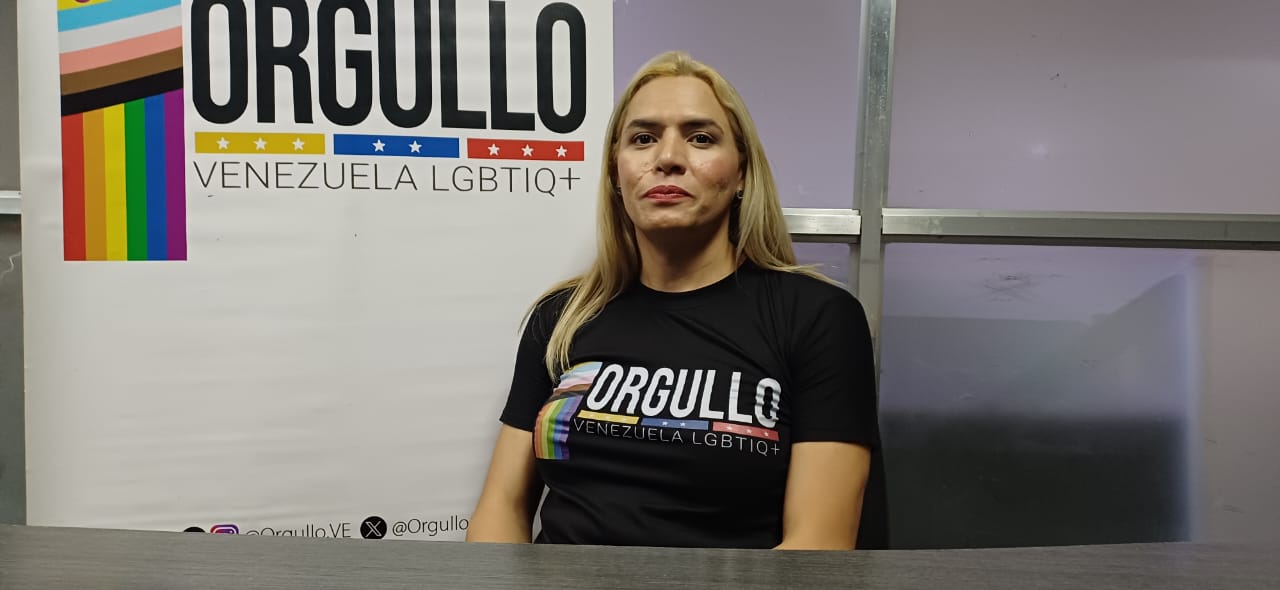
“We want to remember trans people who suffered violence, lost their lives under tragic circumstances, or died by suicide,” explains Venezuelan activist and attorney Richelle Briceño.
The Canadian Center for Suicide Prevention notes that trans people think about suicide and attempt suicide more often than heterosexual, lesbian, gay, and bisexual individuals. They also face unique stress factors such as discrimination and rejection.
“Today, trans people have a life expectancy of only 35 to 40 years at most. Anyone who lives beyond that range represents an exception,” Briceño emphasizes.
Argentina’s Center for the Implementation of Public Policies for Equity and Growth reports that trans women live an average of 37 years, compared with 77 years for the general population. Family rejection, employment discrimination, and violence contribute to that gap.
Mexico’s National Institute for Older Adults estimates a life expectancy of 35 years for trans people, compared with 74 years for men and 79 years for women. Many trans individuals rely on sex work and informal economic activities to survive.
In 2015, the Inter-American Commission on Human Rights reported that eight out of ten murdered trans women in Latin America were 35 years old or younger.
“Many also die because they undergo hormone treatments without medical supervision or receive procedures in clandestine clinics. Others inject substances that their bodies later reject,” Briceño explains.
Trans women may take estrogen to reduce body hair and develop breasts. Trans men may take testosterone to deepen their voices, increase strength, and stimulate facial-hair growth. Medical professionals should supervise all these treatments.
However, many people lack access to proper healthcare. A report published by Malvestida revealed that some trans people in Mexico have injected automobile oil, cooking oil, biopolymers, petroleum jelly, and even cement into their bodies.
“Trans people face family violence, street violence, social violence, suicide, self-harm, and complications from treatments performed in clandestine clinics,” Briceño summarizes. “That reality is catastrophic.”
An Ordeal for Memory
Several Venezuelan organizations that represent sexually diverse communities will hold the Trans Way of the Cross on June 13 along the Sabana Grande Boulevard in Caracas.
Participants want to make daily hardships visible and honor trans people “who contributed to the struggle for LGBTQ+ human rights in Venezuela—people who are no longer with us but whom we remember with great affection,” Briceño says.
She mentions figures such as Rummie Quintero, “who devoted years to activism and left this world without seeing her dream come true,” as well as Ronny Ortega and other advocates.
The event will feature seven or eight stations. Participants will discuss the suffering and hardships that trans people endure at each stop, including condemnation, violence, and death.
The gathering will begin at 5:00 p.m. on Calle del Artista, formerly known as “Knife Alley,” in Sabana Grande. Participants will then walk to nearby Villaflor Street.
“We want to remember the suffering that trans people experience and the suffering that those who are no longer here endured. We also want to call for social sensitivity because society condemns many of us from the moment we are born,” Briceño stresses.
Despite these challenges, Briceño wants to leave people with a message of hope. The event will conclude with poetry and theater performances.
“If something defines trans people, it is optimism and joy,” she says.
“I want to study, work, have a decent job, and build a family. Those are things I hope to achieve,” says Andrea, a young trans woman.
Like many others, she continues to fight for her dreams.