The Daily Journal — The U.S. Department of the Treasury’s Office of Foreign Assets Control (OFAC) has issued General License No. 50B. This measure selectively authorizes six major global energy corporations and their subsidiaries to maintain and conduct oil and gas operations in Venezuela.
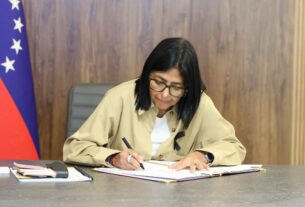
OFAC Director Bradley T. Smith signed the regulatory instrument, which took effect on June 10, 2026, and fully replaces General License 50A, which OFAC issued in February of this year.
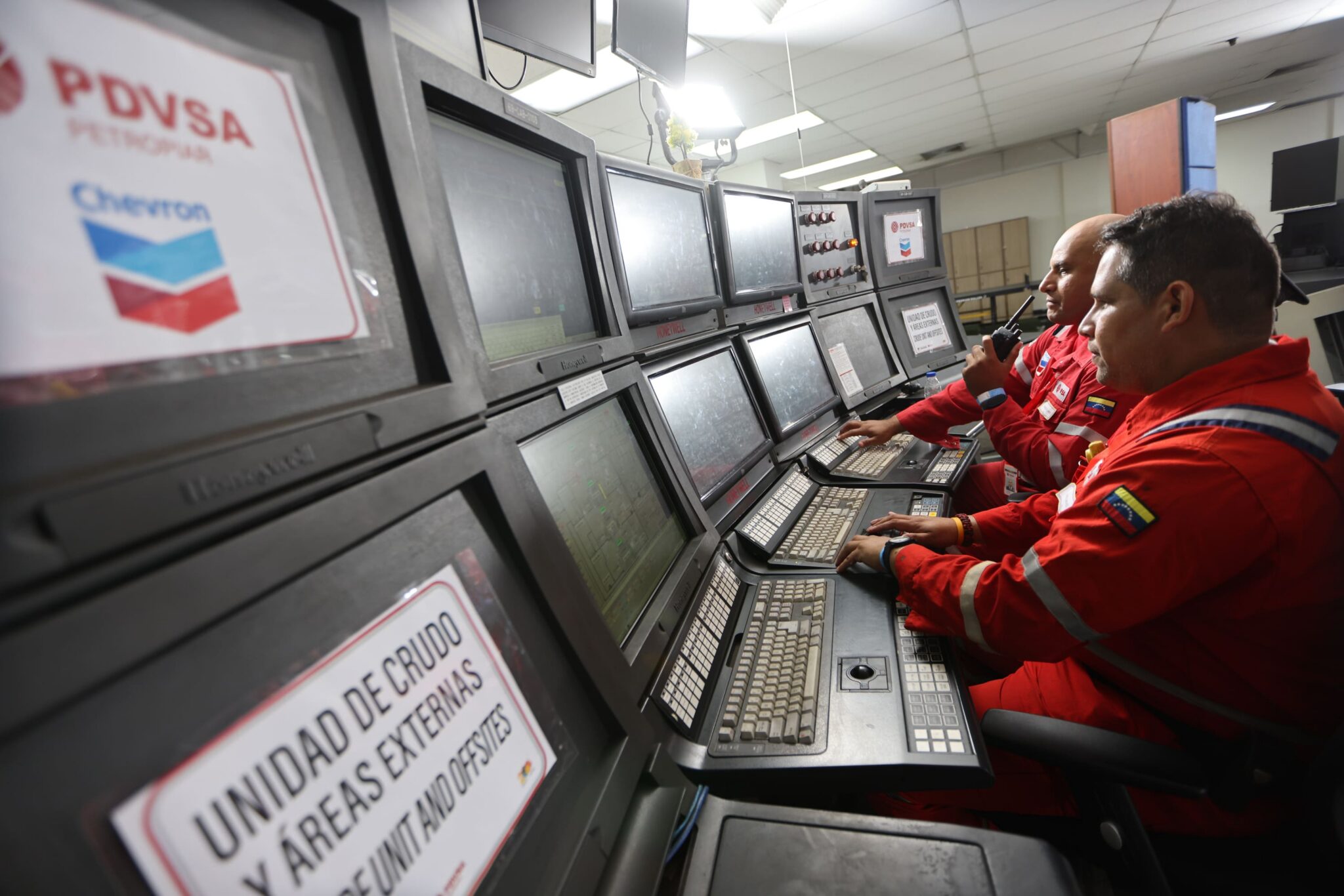
The federal ruling partially lifts restrictions contained in the Venezuela Sanctions Regulations, allowing these multinational companies to continue operations with the Government of Venezuela, Petróleos de Venezuela, S.A. (PDVSA), or any entity under its ownership and control.
The six authorized corporations
According to the official document issued by the U.S. Treasury Department, this commercial easing applies exclusively to a group of companies aligned with Washington that hold investments and shared assets in the Caribbean nation.
The formal annex to General License 50B identifies the six corporations authorized to operate in Venezuela: BP PLC, Chevron Corporation, ENI S.p.A., Établissements Maurel & Prom SA, Repsol S.A., and Shell PLC.
U.S. Law and international arbitration
To ensure the legal validity of agreements and contracts signed by these six multinational companies, OFAC established mandatory legal conditions that protect U.S. jurisdiction in the event of commercial disputes involving the Venezuelan state.
In addition, the framework established under License 50B imposes geographic restrictions on dispute resolution, requiring that “dispute resolution proceedings related to the contract take place in the United States, the United Kingdom, France, or Singapore.”
Despite these legal requirements, OFAC included a provision stating that “certain aspects of the underlying activity in Venezuela may remain subject to applicable Venezuelan laws and regulations, including those governing Venezuela’s sovereign regulatory authority, administrative permits and licenses, concessions, labor matters, environmental matters, and health and safety requirements.”
Financial Controls: Mandatory destination for funds
In the financial sphere, the U.S. Treasury established a capital-controls mechanism to prevent sanctioned state entities from gaining unrestricted access to cash flows.
License 50B explicitly requires that “any monetary payment to a blocked person, excluding payments for local taxes, permits, or fees, must go to the Foreign Government Deposit Funds specified under Executive Order 14373 of January 9, 2026, or to any other account designated by the United States Department of the Treasury.”
The Treasury applies the same oversight to revenues generated by oil and gas extraction activities. The directive emphasizes that companies must also direct any tax or royalty payments owed to the Government of Venezuela to the U.S. Treasury Department.