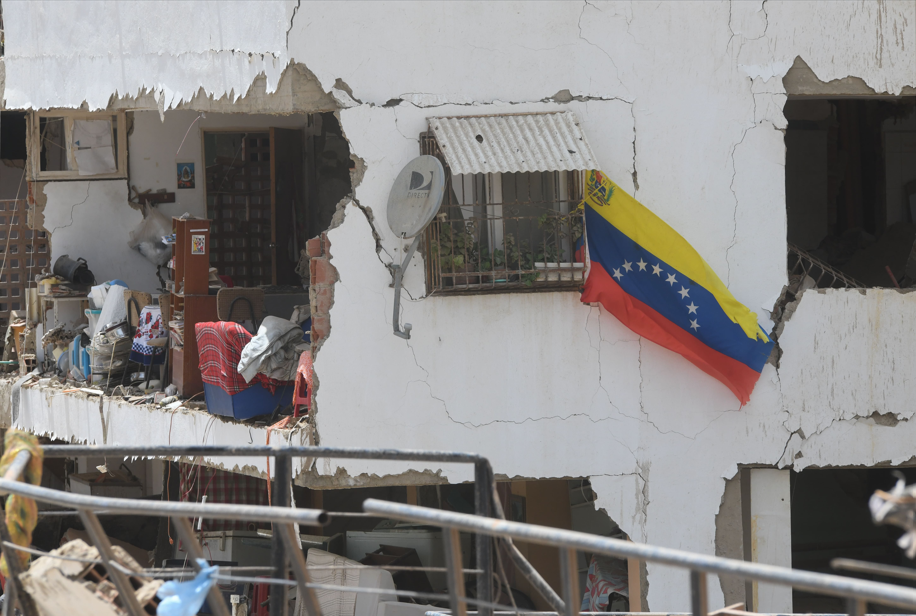
The Daily Journal. — A total of 40 civil society and human rights organizations issued a joint statement on Saturday expressing concern over the national government’s decision to militarize La Guaira state as authorities respond to the emergency caused by the twin earthquakes that struck on June 24.
The signatory coalitions stressed that saving lives must remain the top priority during the emergency. However, they argued that the country’s experience with previous socio-natural disasters requires close scrutiny of the actions taken by security forces.
“Recent history demands heightened vigilance. We must not repeat the experience of the 1999 landslide. After the landslide that devastated Vargas state in December 1999, numerous national and international organizations documented serious allegations of human rights violations committed during the emergency response,” the organizations warned in the statement.
The NGOs cited historical reports that documented arbitrary arrests, excessive use of force, unjustified restrictions on freedom of movement, and obstacles that prevented journalists and independent humanitarian organizations from carrying out their work.
Concerns over the management of temporary shelters
The joint statement emphasized that, once search-and-rescue operations conclude, authorities will need to assist thousands of displaced families who lost their homes. The civil society coalition urged officials to avoid the logistical mistakes that followed past climate-related disasters such as La Niña.
“Authorities relocated thousands of families to temporary shelters that remained open for years. In many cases, those facilities failed to meet international standards (…) Humanitarian assistance cannot consist of managing hardship indefinitely. Shelters must remain an exceptional and temporary measure, while authorities work toward permanent housing solutions from the very first day,” the organizations stated.
The statement also recalled that international law governing disaster situations does not suspend fundamental rights. Humanitarian assistance must follow the principles of impartiality and neutrality while giving priority to vulnerable groups.
Accordingly, the coalition demanded “that every action carried out by military and security forces remain exceptional, proportionate, transparent, and subject to effective oversight and accountability mechanisms.” It also called on government institutions “to guarantee unrestricted access for medical personnel, journalists, rescue teams, humanitarian organizations, and international relief agencies” to the affected areas.
Judicial guarantees and technical management of relief supplies
The coalition of non-governmental organizations also addressed the treatment of civilians who could face detention in militarized areas, as well as the standards that should govern the distribution of relief supplies.
The technical statement called on security forces to ensure “that authorities immediately place every person detained during the emergency under the jurisdiction of the competent judicial authorities, while prohibiting enforced disappearances and arbitrary detention in all circumstances.”
Regarding food and medical assistance for the thousands of disaster victims across the coastal state, the coalition explicitly requested “that authorities distribute humanitarian aid solely according to humanitarian principles, without discrimination or political conditions,” while preventing any discretionary use of international donations.