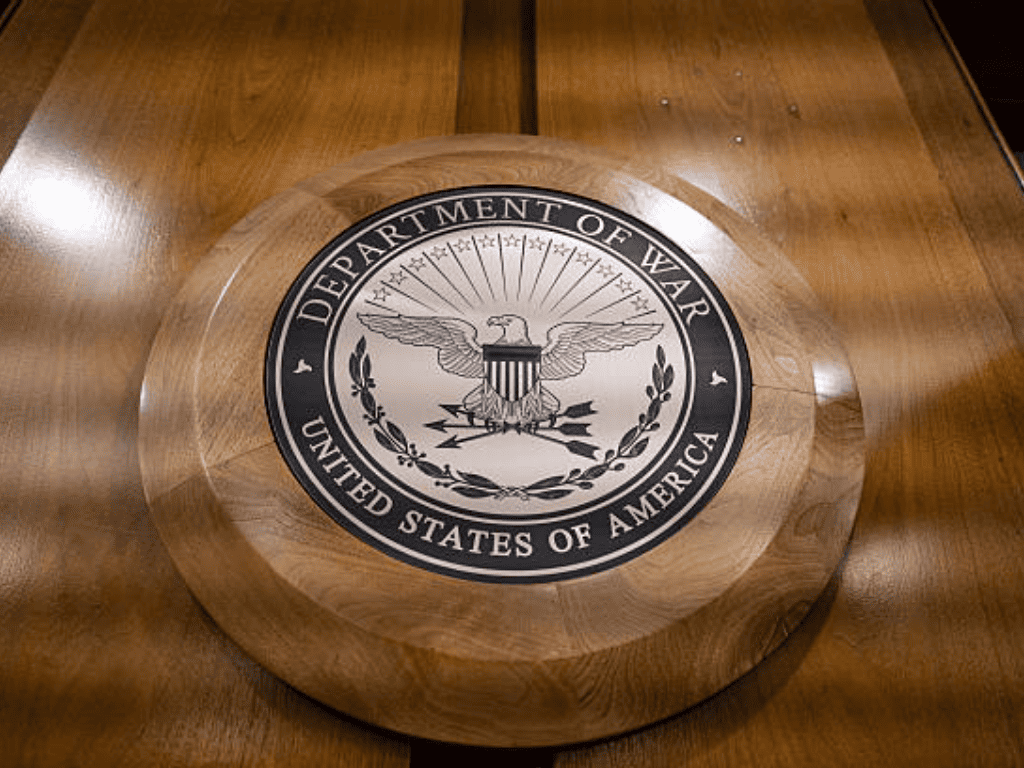
The Daily Journal. — The U.S. Department of War plans to acquire a 35% non-controlling stake in a private company that holds rights to develop oil fields in Venezuela, a move that would mark an unusual expansion of the U.S. government’s direct involvement in an energy project in the country, The Wall Street Journal reported Sunday.
According to the U.S. newspaper, the Pentagon’s Office of Strategic Capital (OSC) would structure the investment and acquire a stake in North American Blue Energy Partners (NABEP) through low-cost financial instruments known as penny warrants.
According to the WSJ, the mechanism would allow the U.S. government to acquire a 35% equity stake without making a significant upfront capital investment.
The structure marks a shift in Washington’s role in Venezuela’s energy sector. Until now, the U.S. government had primarily facilitated or encouraged private investment; under this arrangement, it would directly hold an economic stake in a company involved in oil development in the country.
Rights to 20% of production
In addition to the equity stake, the Pentagon would obtain preferential rights to purchase up to 20% of the company’s future oil production at cost, according to The Wall Street Journal.
The Department of Defense would hold both the U.S. government’s stake in the company and the preferential rights to purchase crude oil from the projects.
NABEP, led by Venezuelan businessman Alejandro Betancourt, would have the opportunity to develop 17 Venezuelan oil fields under the energy agreement negotiated between Caracas and Washington.
Over the past two years, the company has become Venezuela’s second-largest private oil producer, behind Chevron, according to the newspaper.
The announcement comes after the Venezuelan government confirmed an energy agreement with the United States to develop 17 strategic fields with 65 billion barrels of proven oil potential.
Venezuela’s acting president, Delcy Rodríguez, said Saturday that the binational project will run for 25 years and aims to produce more than 1.5 million barrels per day.
U.S. Oil companies expressed reservations
The Pentagon-backed structure emerged after some of the largest U.S. oil companies expressed reluctance to commit large amounts of capital to Venezuela because of concerns over legal certainty, security conditions, and the deterioration of the country’s oil infrastructure, the WSJ reported.
President Donald Trump’s administration had sought to persuade companies such as Exxon Mobil and ConocoPhillips to return to Venezuela and participate in efforts to restore the country’s oil production.
After major oil companies declined to make large-scale investment commitments, the U.S. government reportedly brought in the Pentagon’s Office of Strategic Capital to design a financing mechanism that could facilitate the project.
According to The Wall Street Journal, the State Department initially led the negotiations before officials brought the OSC into the process at an advanced stage.
Senior Pentagon and State Department officials, including Office of Strategic Capital Director David Lorch, traveled to Venezuela in July to negotiate the terms of the agreement, the newspaper added.
Infrastructure and legal stability risks
The transaction could put U.S. oil companies in an unusual position by forcing them to compete with a project that a private company would operate while simultaneously receiving support from the U.S. federal government.
The agreement also raises questions about how quickly the fields could generate new production.
Venezuela currently produces around 1.1 million barrels per day, while analysts cited by the WSJ warned that restoring the country’s deteriorated infrastructure could take several years.
Industry representatives consulted by the newspaper also expressed concerns about the legal stability of the investments and the possibility that future Venezuelan governments could challenge agreements reached under the current administration.