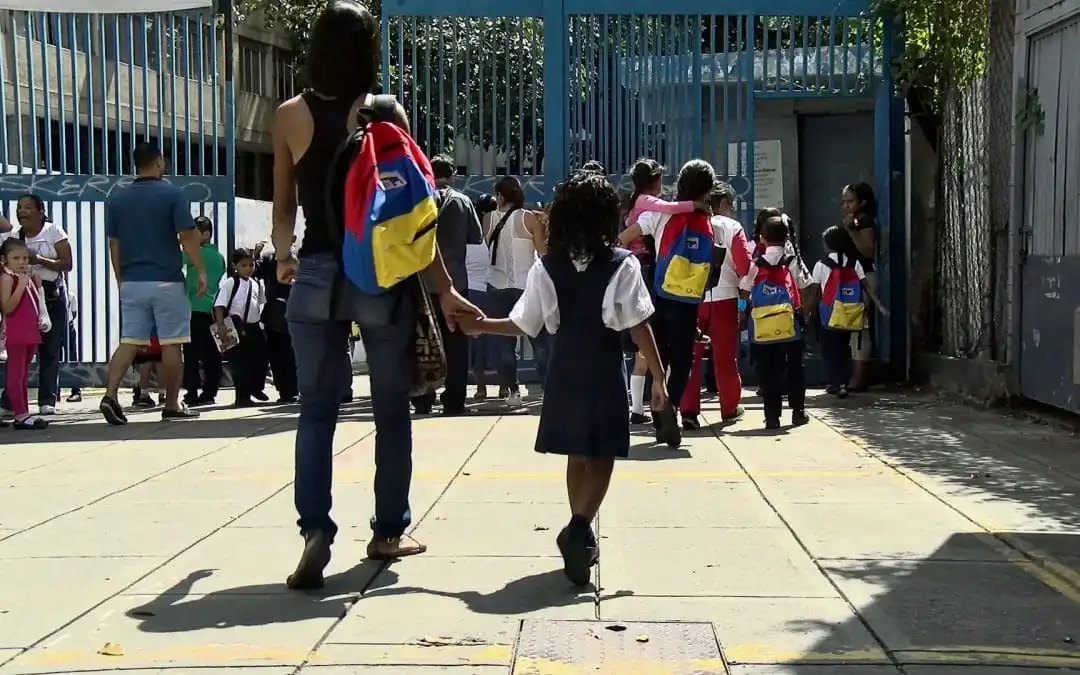
At 5:30 in the morning, the race begins. You have to shower, get dressed, wake up the kids, and, in the middle of all that, figure out breakfast.
The first meal of the day provides important nutritional value and energy, especially for children who start school at 7:00 a.m. It is their first food after the long overnight fast while they sleep. Breakfast comes before school activities that require more energy.
However, Venezuelan families struggle to solve this equation. With little time and wallets battered by inflation, that calculation turns into a dilemma.
Food represents the biggest expense for Venezuelans. According to Datanálisis, Venezuelan households spend 41.6% of their budget on food, and among lower-income households, that figure exceeds 55%. With the monthly food basket hovering around $755 for a family of five, a minimum wage frozen at 130 bolivars (about $0.16), bonuses that do not count toward employment benefits, and inflation even in dollar-denominated prices, the question is: how do families make ends meet?
At The Daily Journal, we spoke with parents and guardians to understand how they manage their children’s breakfast and school snacks, and we bring you a practical guide with real prices, options for every budget, and advice that actually works.
The importance of breakfast
Nutritionists define breakfast as the most important meal of the day, especially for school-age children. A child who eats a good breakfast performs better in class, concentrates more easily, has more energy, and may even get sick less often. But if a child goes to school on an empty stomach, they can become distracted, sleepy, or irritable; may feel unwell; and, of course, perform worse in school activities.
Many Venezuelan families live day to day, and breakfast competes with other urgent expenses such as electricity, water, transportation, and internet—not to mention rent and other household costs. In a country where a single salary is not enough to support a family, mothers, fathers, or caregivers may have to work as many as three jobs. As a result, time becomes a luxury not everyone has.
How much does it cost to buy breakfast on the go?
Buying food on the street has become the go-to solution for many Venezuelans. Those who don’t have time to cook in the morning turn to breakfast businesses, but not all options are affordable.
During a survey of different food outlets, we found that an empanada, tequeño, or cachito costs between $1.50 and $3, and adding juice costs another dollar. Some places offer combos with two empanadas or pastelitos and juice for around $2.50. Large tequeños can cost between $1 and $3, depending on the filling and quality.
If a parent buys breakfast for their child every school day, weekly spending runs around $10 to $15. Over a month, that comes to approximately $50 just for school snacks. For a family with two or three school-age children, the amount becomes unaffordable.
What if a child has gluten intolerance?
This is where things get more complicated, because if a child has celiac disease, eating food prepared outside the home may not be an option. In Venezuela, living with this condition presents a double challenge because gluten-free products are scarce and considerably more expensive than regular products.
A review of online prices found that a 500-gram package of gluten-free pasta costs nearly $3, more than twice the price of conventional pasta. Flours such as cassava or quinoa cost around $6 per 500 grams, while the same amount of gluten-free all-purpose flour costs about $2—meanwhile, a kilogram of traditional flour costs around $1.
However, Venezuelan cuisine has an advantage. Many traditional dishes are naturally gluten-free and can incorporate vegetables and starches such as cassava, taro, plantain, and celery root, among others, to prepare arepas, tequeños, pancakes, and other recipes that are safe for children with celiac disease. The key is preparing them at home, because the risk of cross-contamination is high when eating out.
Making breakfast at home: It saves money, but takes time
Many parents agree that preparing breakfast at home is the safest and most affordable option. This way, the budget can stretch a little further than when buying breakfast outside the home.
For example, dough for pastelitos can cost $3 or more; combined with a kilogram of cheese costing $9, that investment can provide enough food for two weeks of school lunchboxes. Compared with spending $10 to $15 a week buying food outside, the savings are clear.
A bag of school-size tequeños containing up to 20 pieces costs between $5 and $15, depending on where you buy it and the product’s quality. Some people prefer buying directly from the manufacturer because supermarket prices are often not cost-effective.
But the problem no one talks about is time. Many Venezuelan families rely not on one but on two or three sources of income, which means long working hours, exhausting commutes, and arriving home with no energy left to cook. For those families, buying prepared food is less a convenient option than the only possible one.
How can families make it work?
Strategies can work even when both time and money are scarce.
- Batch cooking on weekends can help. Spending a couple of hours on Saturday or Sunday preparing tequeños, empanadas, or pancakes and freezing them can save time during the week.
- Take advantage of traditional breakfasts, such as arepas, homemade empanadas, or fried plantain slices.
- Buy in bulk with other parents and guardians from your child’s class to purchase cheese, flour, or dough in larger quantities.
- A banana, an apple, or a mandarin can make an affordable, healthy snack that requires no preparation. Vary the fruit so children do not get bored.
- A tequeño, a piece of frui,t and a juice box make a perfectly valid snack.
- Whenever possible, breakfast at home may be the most cost-effective option.
More than half of the budget of Venezuela’s most vulnerable households goes toward food, and with time becoming a resource as scarce as money, every family does what it can with what it has.