Marco Rubio said New Delhi is willing to process more Venezuelan oil and highlighted its capacity to refine heavy crude. Washington did not specify which restrictions it might modify or announce any concrete measures.
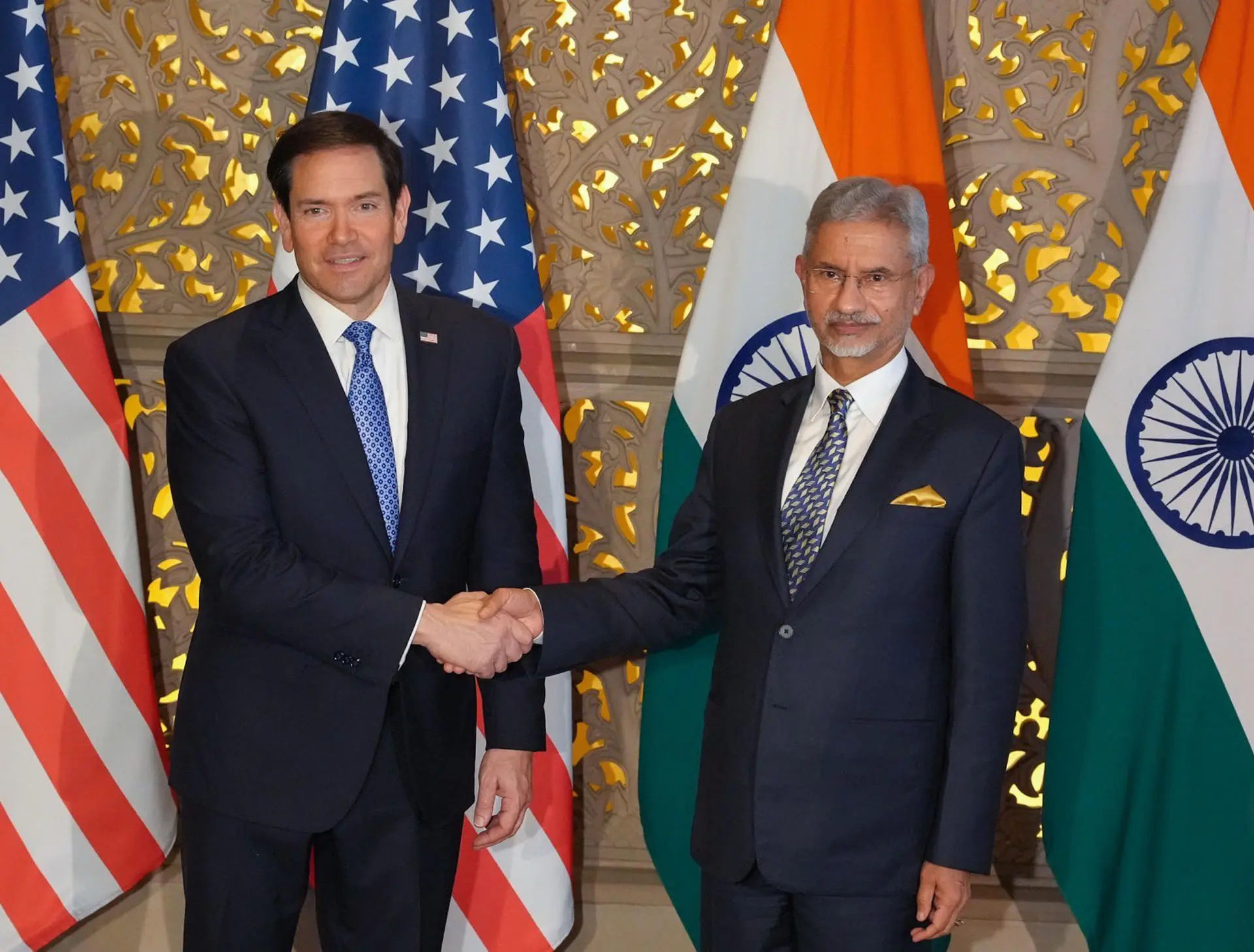
The Daily Journal – The United States will need to address potential sanctions-related obstacles to enable India to increase its refining of Venezuelan oil, U.S. Secretary of State Marco Rubio said Tuesday during a visit to Mumbai.
India “is willing (to refine more Venezuelan oil). There may be some sanctions-related impediments and other issues that we will have to resolve,” Rubio said, highlighting Indian refineries’ capacity to process heavy crude oil.
The official did not specify which restrictions could affect these operations or announce concrete measures to facilitate greater Indian participation in processing Venezuelan crude.
Rubio described the Asian country as a “refining superpower” and noted that its facilities have already processed Venezuelan heavy crude. “I think that as more Venezuelan oil becomes available, that is something they can do,” he said, referring to India’s potential contribution to meeting global energy demand.
His remarks point to a possible expansion of commercial opportunities for Venezuelan oil in one of Asia’s leading refining hubs. However, crude availability, commercial conditions, and the sanctions framework governing these operations will determine whether those opportunities materialize.
India could expand its oil production in Venezuela
Rubio also noted that India holds existing oil concessions in Venezuela that could allow it to increase production in the South American country.
The secretary of state did not identify the projects or estimate the additional production volumes they could generate. He also did not detail the conditions under which these operations would take place.
Interest in expanding the processing and production of Venezuelan crude comes as Washington seeks to diversify energy supply sources in international markets.
Rubio cautioned, however, that Venezuela cannot immediately offset a potential supply shortfall resulting from international tensions.
“I am not saying that Venezuela alone can make up for the shortfall that some of the things happening around the world could cause,” he said. Nevertheless, he maintained that the country could increase its contribution over time and that “in the short term, it can certainly help.”
The official indicated that Venezuelan oil will be among the issues he discusses with Indian authorities.
Washington and New Delhi move closer to a trade agreement
Meanwhile, Rubio said the United States and India are “very, very close” to reaching a trade agreement, although he did not provide a date for its conclusion.
“We hope to have good news to announce soon and sign it afterward,” he said.
The potential trade agreement and discussions concerning Venezuelan oil represent two issues on the bilateral agenda between Washington and New Delhi. However, Rubio did not clarify whether the two matters would be formally connected or whether the trade agreement would include specific provisions on Venezuelan crude.
For now, the secretary of state’s remarks reflect Washington’s willingness to explore ways to facilitate greater Indian participation in processing Venezuelan oil. However, they do not announce changes to sanctions or make any concrete commitment to purchase or produce crude oil.
With information from EFE