Audio: https://clyp.it/f0iayxxc
Heinrich Rahn Guardia, Logistics Coordination Advisor for Industrial Projects, Specialist in Logistics and Trade Compliance.— Venezuela’s energy sector now enters an exciting moment, especially for emblematic projects such as PAGMI (Gas Conditioning Plant in Güiria) 2018–2019 and the resurgence of Anaco as the nation’s gas capital.
Based on J.P. Morgan reports, the 2026 Hydrocarbons Law reform, and regional dynamics, here is an executive summary:
The Rebirth of Venezuela’s Gas Map
Past Projections vs. Current Reality
The PAGMI project in Güiria remained stalled for years, exposing Venezuela’s inability to monetize offshore reserves along the border belt with Trinidad and Tobago.
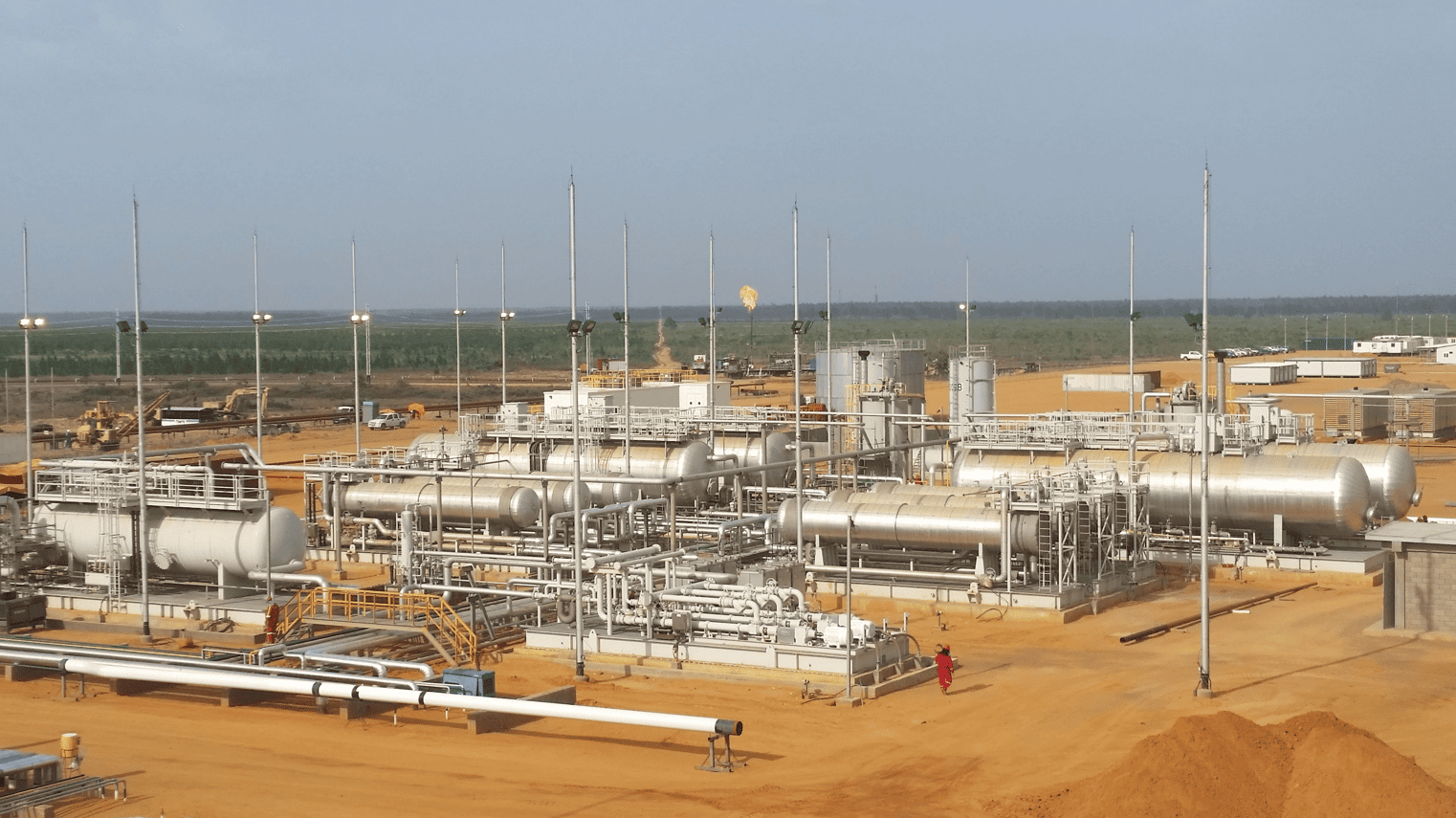
PAGMI Gas Conditioning Plant.
The project uses molecular sieves, essential components for gas conditioning and treatment. Y&V Engineering handled the engineering process, while Sarens Venezuela supplied the heavy equipment. During that period, I served as Commercial Manager. The assembly process required specialized heavy machinery, including 400- and 200-ton cranes to lift and position the equipment vertically.
The New Horizon (2026 Context).
Today, Venezuela faces a paradigm shift. The new administration and the legal reform now unlock international investment.
Dragon Field and the Domino Effect.
The OFAC license and agreements with Shell now allow the Güiria gas hub to be reactivated. The immediate projection focuses on backfill supply for LNG plants in Trinidad and Tobago. J.P. Morgan estimates the export potential at 6 to 10 billion cubic meters per year, positioning PAGMI as a vital logistics hub for the Caribbean.
Anaco 2.0
The “Gas Capital” awakens again. Fedecámaras and local business leaders already speak about a “second opportunity.” Current plans seek full industrial recovery — today, the sector operates at 20%-30% capacity — modernization of the electrical grid through royalties, and the transformation of Anaco into a services hub for national and international upstream operations.
Future Projection (Medium Term)
The real value no longer depends only on domestic gas but also on LNG exports.
Base Scenario
Venezuela will stop burning or reinjecting gas and will emerge as a key regional exporter via pipelines connecting it to Colombia and Trinidad.
Strategic Vision
Projects such as PAGMI will process associated gas from the Orinoco Belt and non-associated offshore gas. Venezuela will attract majors such as Chevron, BP, and Equinor not only for crude oil opportunities but also for LNG potential, unlocking more than $15 billion in investment that could double current production.
Conclusion
The “Gas Project” no longer stands as merely a promise. Anaco is now preparing its business network, while Güiria and PAGMI are preparing their ports and infrastructure. Venezuela is now rebuilding a value chain that stretches from extraction fields in Monagas and Anzoátegui to export operations in Sucre, generating direct impacts on employment, foreign currency revenues, and cleaner energy across the region.