Audio: https://clyp.it/stawzlp3
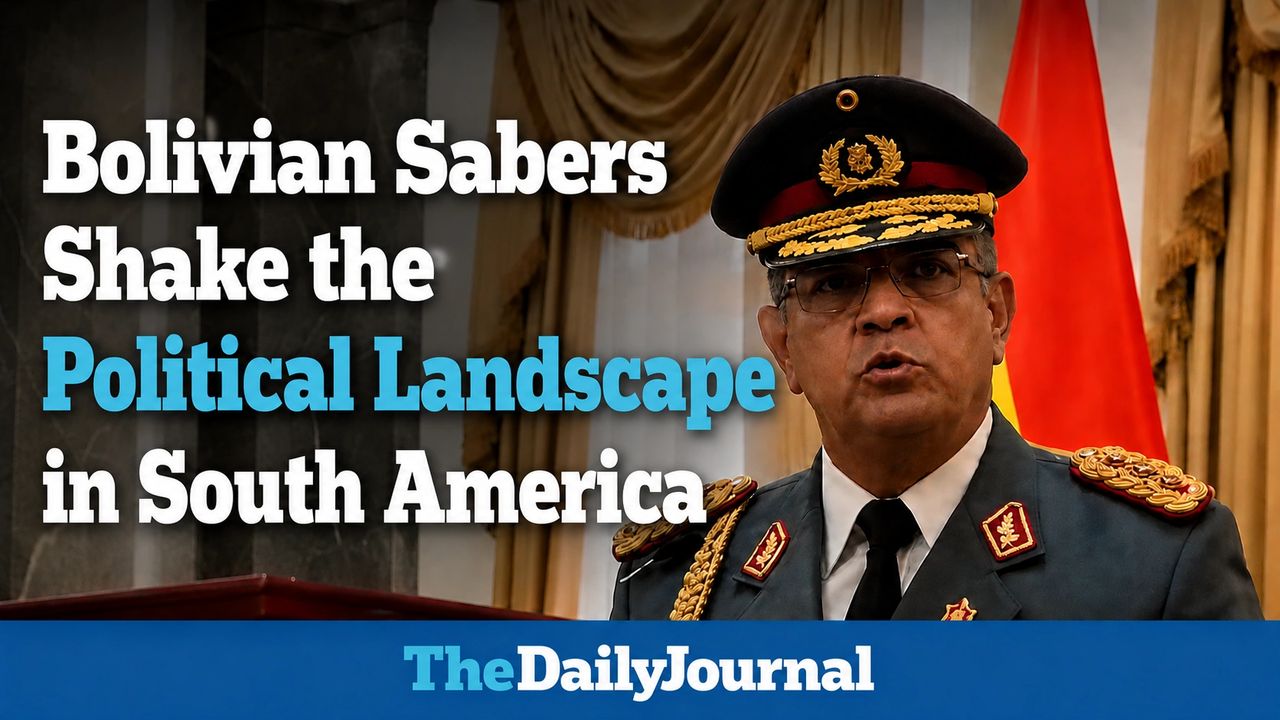
Julio A. López, Editor in Chief. — No political analyst anticipated that rumors and saber-rattling from Bolivia would disrupt the political narrative now sweeping across Latin America, with consequences that could reach far beyond Bolivian borders. Rising social and military tensions in La Paz caught much of the region’s political and intelligence community — as well as major global power centers — completely off guard.
History, however, repeatedly shows that major geopolitical shifts emerge precisely when political elites and intelligence agencies fall into complacency. The fall of the Berlin Wall in 1989 emerged as an organic movement inside East German society. Political and communication failures by the communist leadership unleashed a silent revolution that eventually brought down not only the East German regime, but also the enormous Soviet bloc, without a single shot. Neither leading Western analysts nor the powerful U.S. Central Intelligence Agency — the CIA — managed to foresee that historic collapse.
Political decisions that ignore their full consequences carry dangers similar to handling dynamite. In Latin America, the armed forces remain the only institution legally authorized to exercise the state’s monopoly on force. Political leaders who ignore military perceptions or downplay their importance commit not an act of courage, but a potentially devastating mistake.
Venezuela already experienced something similar. President Isaías Medina Angarita and later Rómulo Gallegos underestimated the mood and positions of mid- and lower-ranking officers while focusing exclusively on the military high command. That disconnect eventually opened the door to democratic collapse and decades of political instability.
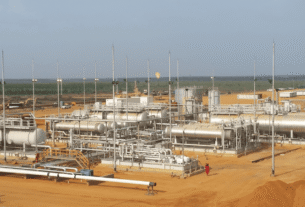
In Venezuela, the military high command changed masters and now follows instructions from people whom it considered enemies until January 3, 2026. Today, military concerns in Venezuela reappear under new circumstances. Among the many inquiries that multinational oil companies direct at the Venezuelan government — questions that officials in Caracas often interpret more as instructions than simple requests — stands the exclusion of active or retired military officers from any process related to oil contracts. Broad civilian sectors may welcome that measure, but many young officers could interpret it not as institutional policy, but as a sign of marginalization and contempt.
Meanwhile, Bolivia faces an economic decline that hits working-class sectors especially hard. Rising food and basic goods prices fuel social unrest that extends far beyond Bolivia’s borders and connects with similar frustrations in Venezuela, Peru, and other countries across the region. Millions of citizens watch with indignation as small political and economic elites display fortunes of questionable origin. At the same time, the population’s standard of living declines far faster than official promises of future prosperity.