Audio: https://clyp.it/v0l2yeur
María Alejandra Díaz, constitutional lawyer and human rights advocate.— In light of the controversy surrounding the substantial private legal fees paid to defend Nicolás Maduro and his wife, authorized by OFAC as they face trial in the United States, one must not treat this as a minor issue. A simple legal technicality—lack of access to counsel of choice—could become grounds to void the trial for violating the Sixth Amendment and due process. Maduro and his government have denied that same right to countless detainees in Venezuela.
Despite the public debate, a key procedural detail demands attention.
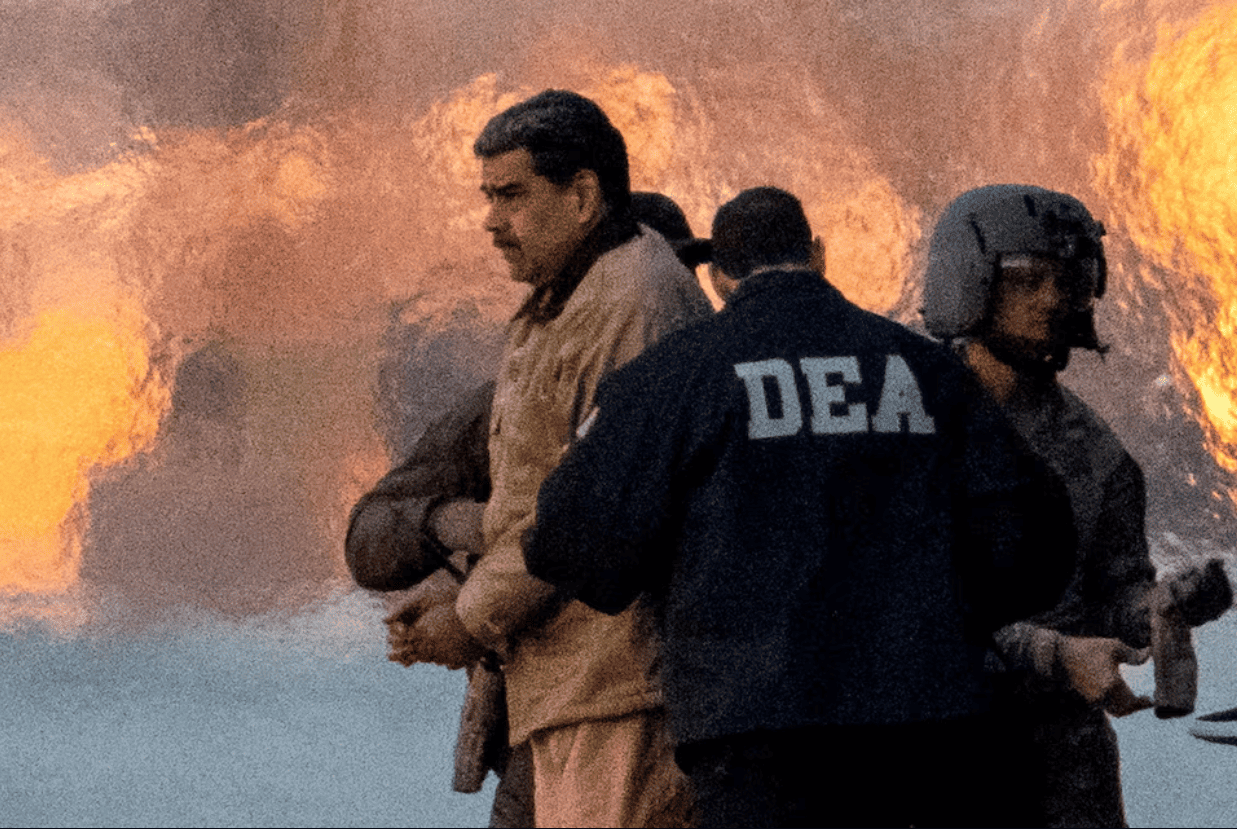
U.S. constitutional law maintains a controversial yet influential principle: courts may try a defendant even if the defendant was captured unlawfully. Legal scholars know this as the “Ker–Frisbie doctrine.” It raises a central question: can the State break the law in order to enforce it?
This doctrine stems from two Supreme Court rulings, Ker v. Illinois and Frisbie v. Collins. In both cases, the Court held that the method used to bring a defendant before a court does not strip the court of jurisdiction. In other words, illegality in the capture does not block prosecution.
The Court reaffirmed this principle over a century later in United States v. Alvarez-Machain. In that case, agents abducted a Mexican citizen and brought him to the United States for trial. The Court acknowledged the irregularities but upheld jurisdiction. The message stood clear: once the defendant appears before the court, jurisdiction holds.
This doctrine relies on a strict view of personal jurisdiction and a narrow reading of the Due Process Clause. Under this interpretation, constitutional protections do not necessarily extend to the method of apprehension outside U.S. territory. The law separates the illegality of capture from the validity of the trial.
Critics challenge this separation. From a rights-based perspective, the doctrine creates a dangerous asymmetry: the State may benefit from its own violations without procedural consequences. This weakens the rule of law and undermines legal consistency. It also creates tension with international law, particularly regarding sovereignty and judicial cooperation.
The issue goes beyond technicalities. In cross-border prosecutions, this doctrine may encourage authorities to bypass formal extradition channels. That approach strains relations between nations and raises doubts about the State’s commitment to the rule of law.
Comparative constitutional systems show a clear contrast. Jurisdictions that prioritize human rights often impose stronger consequences for illegal capture, including dismissal of charges or exclusion of proceedings. U.S. law, in this area, favors prosecutorial effectiveness over procedural purity.
Ultimately, the doctrine of “bad capture, proper detention” exposes an uncomfortable truth: criminal law does not always punish abuses of power when those abuses serve its own objectives. The core question remains both legal and political: how far can a State go in preserving legitimacy while allowing violations in the name of enforcement?
The judge presiding over the case against Nicolás Maduro and his wife will answer that question. Their legal team will likely argue unlawful capture, among other defenses.
The court now holds the floor.