The Daily Journal — The Cuban government will implement a far-reaching package of structural reforms to its economic model in 2026, featuring unprecedented commercial decentralization, the removal of bureaucratic obstacles affecting state-owned enterprises, and a legal framework that will allow members of the Cuban diaspora to invest directly in municipalities across the island.
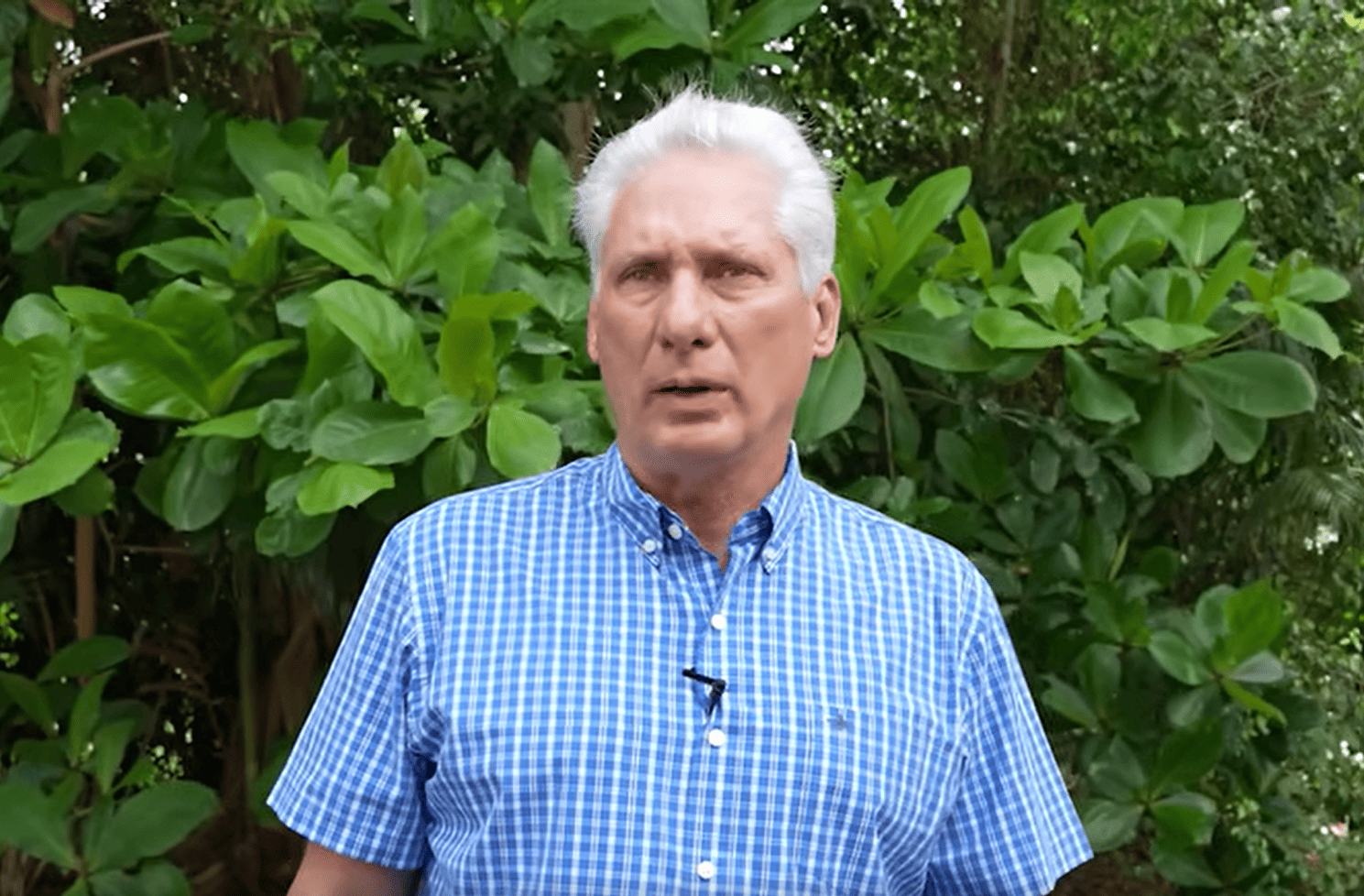
Cuban President Miguel Díaz-Canel announced the plan on Friday. He explained that the measures aim to revive the country’s collapsed domestic production amid the “extremely complex situations” Cuba faces due to the energy crisis and the U.S. embargo.
The president revealed that experts and international references contributed to the program’s design. He also said officials used Artificial Intelligence platforms to compare Cuba’s situation with the socialist transition processes undertaken by China and Vietnam.
A radical shift for State-Owned Enterprises and foreign trade
The reform grants unprecedented autonomy to the Socialist State Enterprise, which will now compete on equal terms with private businesses and cooperatives. The government seeks to break away from the rigidities of centralized planning.
“Let it operate without intermediaries, let it operate without outside interference in its management (…). Companies will determine their own scale, design their own wage systems, and enjoy unrestricted authority, free of obstacles, to use their profits in the ways they consider appropriate,” the head of state stated. He also confirmed that public enterprises “will be able to participate directly in the foreign exchange market.”
In the area of foreign trade, the Cuban administration will eliminate the monopoly held by intermediary state companies, allowing any economic actor—public or private—to conduct imports and exports directly. Authorities will also establish a selective tariff structure to discourage the importation of finished goods from abroad.
“Those who import inputs or raw materials for productive and service processes in Cuba will receive more favorable import tariffs than those who import finished products,” Díaz-Canel said.
Opening the door to diaspora capital and local decentralization
The second major component of the reform transfers broad powers from the central government to municipal administrations. Cuban municipalities will gain legal authority to approve the creation of Small and Medium-Sized Enterprises (SMEs), manage foreign-currency accounts, and negotiate Foreign Direct Investment (FDI) independently.
Within this framework, the most significant innovation in economic policy lies in the invitation extended to Cubans living abroad to finance local development projects.
“We have examined two specific forms of Cuban investment: investment by Cubans residing abroad and investment by Cubans living in Cuba, so that under equal conditions they may participate as economic actors alongside foreign direct investment and state-owned enterprises,” Díaz-Canel stated. He also promised a secure legal framework that will guarantee the long-term stability of such ventures.
Bureaucratic austerity and the end of universal subsidies
The macroeconomic program will also bring a substantial reduction in the size of the Cuban state apparatus. A new bill, currently under public discussion, proposes “a significant reduction not only in ministries but also in positions,” to cut budget expenditures and redirect resources toward social assistance programs and future public-sector wage reforms.
Finally, the Cuban leader reaffirmed the end of the historic system of universal assistance and rationing that has characterized the island for decades, accelerating the transition toward a targeted subsidy model.
“We will gradually eliminate product subsidies and move toward subsidizing people, with differentiated attention for those who need it most,” Díaz-Canel said.
The fiscal adjustment will also require state-owned conglomerates to operate profitably. The government signaled a break with the practice of financial bailouts through “a different relationship between the budget and the State Enterprise, so that the budget no longer has to finance the inefficiency” of public corporations.