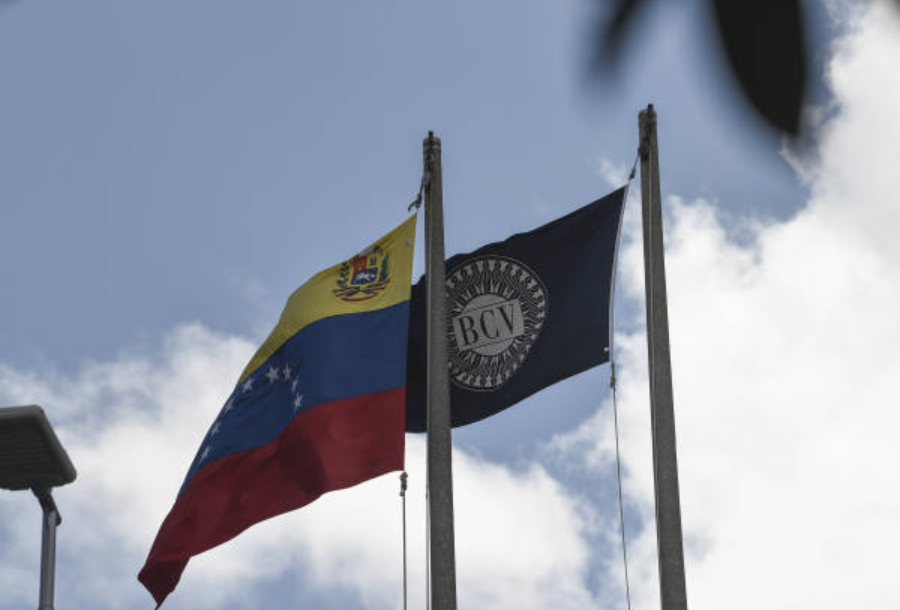
The Daily Journal — Venezuela is preparing to disclose public debt approaching $240 billion, a figure far higher than previous market estimates and one that would make the country the center of the largest sovereign debt restructuring in history, the British newspaper Financial Times reported on Wednesday.
According to the financial newspaper, the administration led by interim President Delcy Rodríguez plans to present international creditors with a comprehensive picture of the country’s public finances in the coming weeks, revealing obligations that far exceed earlier estimates of $150 billion to $200 billion.
The strategy is part of a broader plan to normalize Venezuela’s financial relationships and pave the way for the country’s return to international capital markets after years of payment defaults and financial isolation.
According to the Financial Times, U.S. investment bank Centerview Partners, which Caracas hired as its financial adviser, has developed a roadmap to restore the sustainability of Venezuela’s debt. The firm will present the document in early July, along with a macroeconomic framework that provides a comprehensive assessment of the national economy.
The newspaper’s projections estimate that Venezuela’s gross domestic product (GDP) currently stands at approximately $100 billion, a sharp decline from the $370 billion recorded in 2012, the last full year of Hugo Chávez’s presidency. If these estimates prove accurate, the country’s debt-to-GDP ratio will exceed 200 percent.
Concerns over the IMF’s absence
One issue continues to concern investors and analysts more than any other: the International Monetary Fund (IMF) did not prepare the debt sustainability analysis, even though the institution typically plays that role in major sovereign debt restructurings.
“This is one of the first major restructurings where the IMF is not writing the debt sustainability analysis,” an investor who recently sold Venezuelan bond holdings told the Financial Times.
The same investor added that “the IMF should coordinate discussions among creditors” and emphasized the need for “a properly defined and audited debt inventory.”
Although sources cited by the newspaper said Caracas and the IMF have held technical discussions on economic data, the multilateral institution clarified that it is not formally participating in the restructuring process.
“Fund staff maintains regular engagement with the Venezuelan authorities, including discussions on the macroeconomic outlook,” an IMF spokesperson told the newspaper, adding that the institution stands ready to assist the country “as needed.”
The largest debt restructuring on record
If the Venezuelan government’s estimates prove correct, the restructuring would surpass Greece’s roughly $200 billion debt restructuring during the 2012 eurozone crisis, which currently holds the record as the largest sovereign debt restructuring in history.
The Financial Times reports that the most verifiable portion of Venezuela’s debt consists of bonds issued by the Republic and state-owned oil company PDVSA, totaling about $60 billion, plus nearly $40 billion in accrued interest since the country defaulted.
The overall debt also includes obligations to oil companies and commercial creditors, claims stemming from expropriations carried out during the Chávez administration, financial commitments to China and Russia, and loans from multilateral organizations.
Oil as the decisive factor
The success of any restructuring effort will largely depend on Venezuela’s ability to rebuild its oil industry and increase foreign-currency revenues.
In that regard, the Central Bank of Venezuela recently released balance-of-payments figures showing $5.5 billion in oil export revenue during the first quarter of 2026, an improvement over the $4.4 billion recorded during the final months of Nicolás Maduro’s administration.
Nevertheless, oil revenues remain well below the levels the country achieved before the production crisis and international sanctions.
For Jeff Grills, portfolio manager at Aegon Asset Management, the complexity of the process makes a quick resolution unlikely.
“Could it be completed by 2026? There’s a small chance. But I really think this will extend into 2027,” he told the Financial Times.
The publication notes that markets remain focused on the upcoming presentation of Venezuela’s fiscal sustainability plan and on the terms Caracas will propose to renegotiate a debt burden that could become the greatest financial challenge in the country’s modern history.
With information from the Financial Times.