Bloomberg — Pacific Coast Energy Co. (PCEC), a small California-based oil producer, is close to securing an agreement to develop Venezuelan oil fields as the U.S.-backed government in Caracas pushes prospective partners to sign contracts before the end of July.
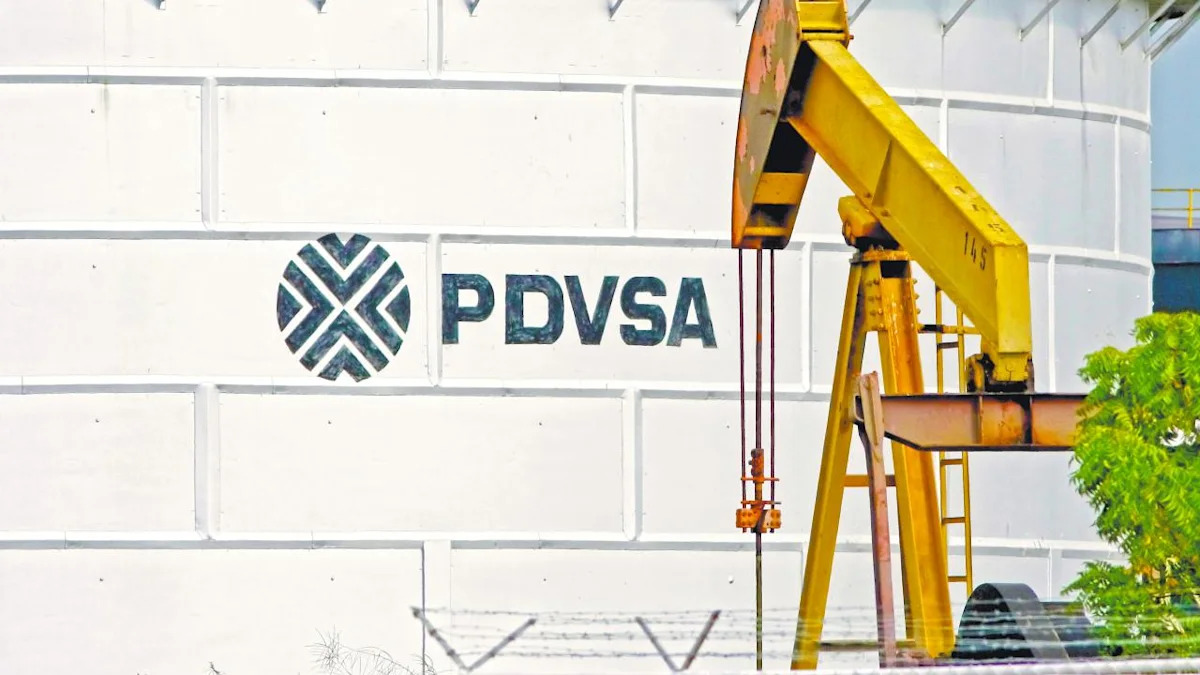
PCEC is one of several companies negotiating joint ventures and production-sharing agreements with Petróleos de Venezuela S.A. (PDVSA) before the regulatory deadline of July 28.
According to company spokesman Joe Householder, the proposed agreement covers two blocks, each of which may contain multiple oil fields. PCEC would hold a majority stake in the assets.
“We will now finalize our development plans with the Venezuelan authorities and begin our initial operational work,” PCEC said in a statement. “Our goal is to protect existing jobs in Venezuela, create new ones, generate highly skilled employment in the United States from our Houston base, strengthen U.S. energy security, and provide much-needed royalty revenue to the Venezuelan government.”
Sources familiar with the negotiations told Bloomberg that the blocks belong to the Petrodelta joint venture in eastern Venezuela. They requested anonymity because they were not authorized to discuss the matter publicly.
Based in Orcutt, California, PCEC belongs to a group of independent oil companies pursuing opportunities in Venezuela to revive production after years of underinvestment, moving faster than many of the industry’s larger multinational companies.
The company specializes in restoring mature oil fields. Although it previously produced oil in California, it has scaled back much of its activity there as residential development has expanded across some of its properties.
Major oil companies continue to conduct extensive due diligence before investing, particularly in Venezuela, where some U.S. sanctions remain in effect. The Venezuelan government’s accelerated timetable has made it difficult for larger companies to keep pace with smaller operators. At the same time, the Trump administration has urged Caracas to approve the agreements quickly to increase oil production.
During a meeting in Caracas on Friday with representatives from several industry associations, Venezuelan energy officials stressed that all contracts should reach completion before the July 28 deadline, according to sources. Although companies may legally sign agreements after that date, the government could revise some of the favorable tax conditions currently included in the proposed contract structures.
Earlier this week, another U.S. company, Lionheart Capital, announced that it had signed a non-binding letter of intent for a $400 million agreement to acquire a stake in another Venezuelan oil field.
Change of partner
Petrodelta has experienced years of unsuccessful projects and disputes.
PDVSA’s previous partner was DP Delta Finance BV, a company once led by Venezuelan businessman Oswaldo Cisneros, who died in 2020. His widow, Mireya Blavia-Cisneros, and their children now oversee the family’s interests.
DP Delta Finance did not respond to Bloomberg’s request for comment.
According to two people familiar with the matter and documents reviewed by Bloomberg, Venezuela’s Ministry of Petroleum revoked DP Delta Finance’s minority stake in the joint venture in May, citing the company’s failure to meet its investment commitments and production targets.
DP Delta Finance has challenged the legality of the ministry’s decision to terminate its contract. People close to the company argue that the government has favored U.S. companies as it moves quickly to restructure energy contracts under Venezuela’s new hydrocarbons law and related regulations.
Neither the Ministry of Petroleum nor PDVSA responded to Bloomberg’s requests for comment.
Cisneros joined Petrodelta in 2016 after acquiring the minority interests previously held by Harvest Natural Resources and Argentina’s Pluspetrol. He also provided a $1.13 billion loan to increase oil production. At the time, he pledged to triple output to 115,000 barrels per day. However, PDVSA data reviewed by Bloomberg show that Petrodelta produced nearly 9,000 barrels per day in July.
DP Delta Finance maintains that the Venezuelan government failed to provide proper notice of its investigation, violating the company’s procedural rights. The company also argues that force majeure events—including PDVSA’s lack of investment, the pandemic-driven collapse in oil markets, and U.S. sanctions—prevented both partners from financing operations and meeting production goals.
Like several other partners, DP Delta Finance signed an agreement with PDVSA to finance the state company’s contributions to the joint venture. Despite years of negotiations, PDVSA has not repaid the amounts the company says it owes. According to one source, PDVSA’s total debt to DP Delta Finance exceeds $1 billion, including financing, structured notes, dividends, and $770 million in crude oil sales through June 2026.