The Daily Journal.— Following the events of January 3, 2026, and amid changing relations between Venezuela and the United States, the fate of Venezuelan state funds frozen abroad has once again become a major issue.
According to Bloomberg, Washington is considering a partial release of frozen assets, estimated at between $20 billion and $30 billion, to help finance Venezuela’s reconstruction after the twin earthquakes.
As part of that effort, officials are seeking to unlock key assets, including 31 metric tons of gold held at the Bank of England and funds in Switzerland linked to associates of Nicolás Maduro.
IMF releases funds gradually
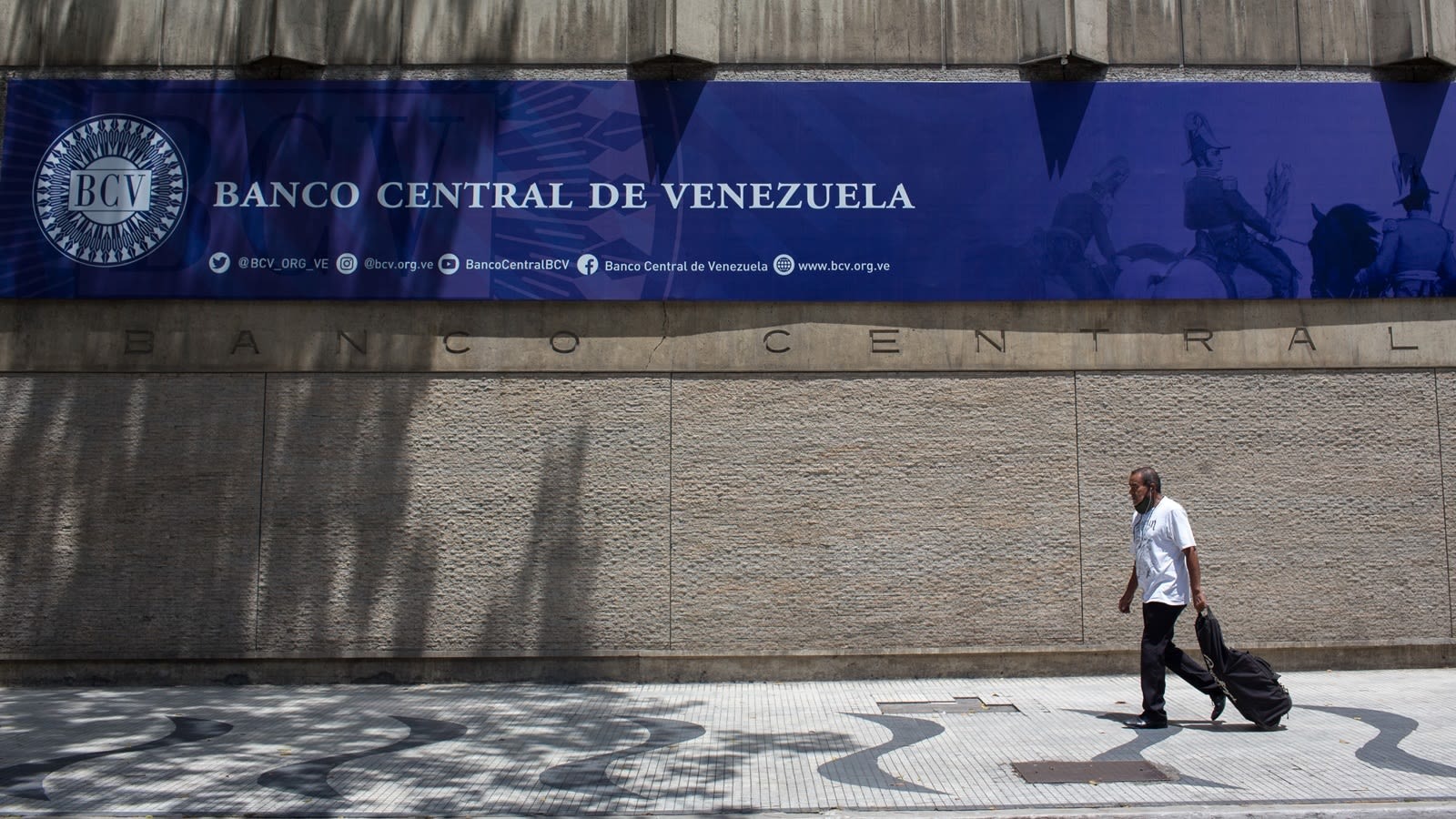
As humanitarian considerations drive a broader easing of restrictions, the International Monetary Fund (IMF) approved an initial $346 million disbursement from Venezuela’s own Special Drawing Rights (SDRs).
Political legitimacy disputes kept those resources frozen at the multilateral institution for years. Authorities are now directing the funds toward housing assistance and the restoration of earthquake-affected areas.
Gold in London and funds in Switzerland
Legal disputes before British courts continue to prevent access to the gold held in the United Kingdom, valued at approximately $4 billion. The reserve consists of 31 metric tons of gold bullion.
At the same time, Switzerland continues to freeze 687 million Swiss francs (about $880 million) deposited in local banks and linked to people associated with Nicolás Maduro.
The Swiss Federal Council has prohibited any movement of those bank accounts, luxury properties, and yachts that authorities believe belong to the former president, his wife Cilia Flores, and members of their immediate family.
According to court rulings in Bern, the preventive asset freeze seeks to safeguard funds suspected of originating from public corruption and money laundering until the courts determine their lawful origin.
Outlook for overseas assets
The Venezuelan Anti-Blockade Observatory continues to denounce the impact of sanctions and asset freezes, while Caracas has focused its strategy on addressing the country’s housing and infrastructure emergency.
Although Venezuela sought the recovery of these assets long before the earthquake disaster, the subsequent U.S. initiative aims to use the funds for reconstruction without affecting the U.S. budget or the Venezuelan oil revenues currently under White House oversight.
With information from Bloomberg, Banca y Negocios, Observatorio Venezolano Antibloqueo, and Bitácora Económica.