Recovering the gold deposited in England and reshuffling the deck for the selection of Supreme Court justices are announcements that, if they materialize, would give the first dialogue process since January 3 an early victory.
José Gregorio Yépez
The resumption of negotiations between the Executive Branch and one sector of the opposition once again brings a critical variable in Venezuelan politics to the forefront: the gap between public expectations and concrete agreements.
After previous failures undermined the leadership’s credibility, the first signs—pointing to the return of national assets such as the gold deposited in London and a new composition of the Supreme Court—mark a tentative but tactically significant step toward addressing urgent priorities such as public infrastructure and the power grid.
Keeping both feet on the ground
“The bar was low,” says political scientist Ricardo Sucre, who views the result as evidence of “healthy caution toward negotiations in Venezuela.”
He adds that the participants favored an institutional approach over a personality-driven one, which he considers a positive aspect of the outcome that both sides announced jointly, without a mediator present—because, in his view, no mediator exists.
He says the United States ultimately validates the legitimacy of the Venezuelan political actors who sat down for talks.
When asked whether the talks met expectations, he answers without hesitation: “Yes.” He reiterates that, unlike in other cases, no one created inflated expectations.
The judicial issue
Analyst and political leader Mercedes Malavé says the meeting met the expectations set for it. However, she wonders whether people on the street will ultimately feel satisfied with the outcome of this first round.
She warns that negotiation processes “move slowly and require great attention to detail.”
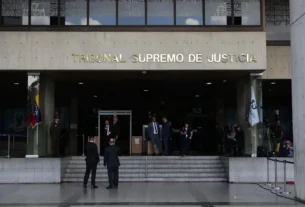
She considers the agreement to appoint a new Judicial Nominations Committee the most important achievement: “The National Assembly’s committee could not remain in charge.”
Ángel Medina, a leader of the Unión y Cambio party, agrees and emphasizes the issue of the Supreme Court, which the parties addressed during the recently concluded talks.
He believes that any steps toward a judiciary capable of producing honest judges and restoring people’s rights will represent important progress.
“We have a great deal of work ahead of us to clean up a justice system that political parties and private interests have taken over,” says Medina, who is also a political scientist.
From the National Assembly
For his part, lawmaker Luis Augusto Romero says the announcements that concluded the first round of talks “represent an important step in the right direction.”
The secretary-general of the Avanzada Progresista party also argues that the parties must move forward in “building confidence in the process,” which, he warns, still faces many doubts rooted in previous experiences.
He says the dialogue should expand to include other sectors, “not only political ones,” and suggests bringing business leaders, workers and social activists to the table.
Enough to get started
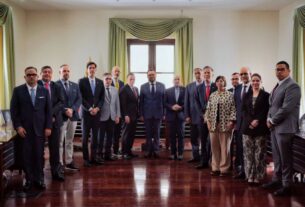
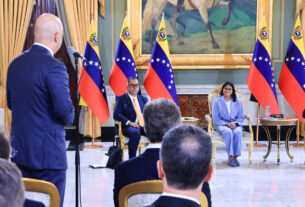
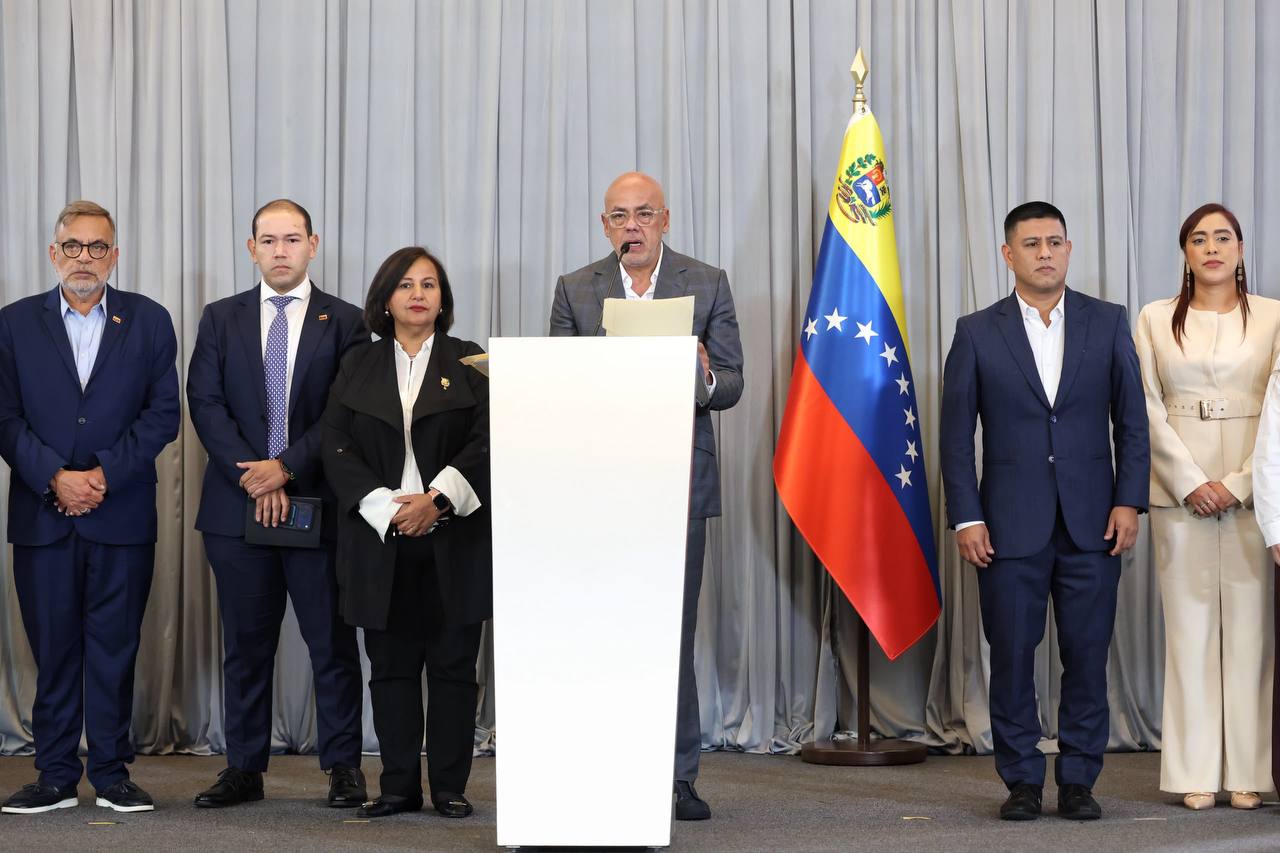
Apparently, scholars and Venezuelan political leaders did not expect much from the meeting between the teams led by Dinorah Figuera and Jorge Rodríguez.
Recovering the gold deposited in England and reshuffling the deck for the selection of Supreme Court justices amount to announcements that, if they materialize, would give the new dialogue an early victory.
A new chapter in the history of dialogue now has a chance to begin. However, we have no crystal ball to reveal the future. We can only keep both feet firmly on the ground as we confront Venezuela’s political, economic, and social reality today.
The game goes on.