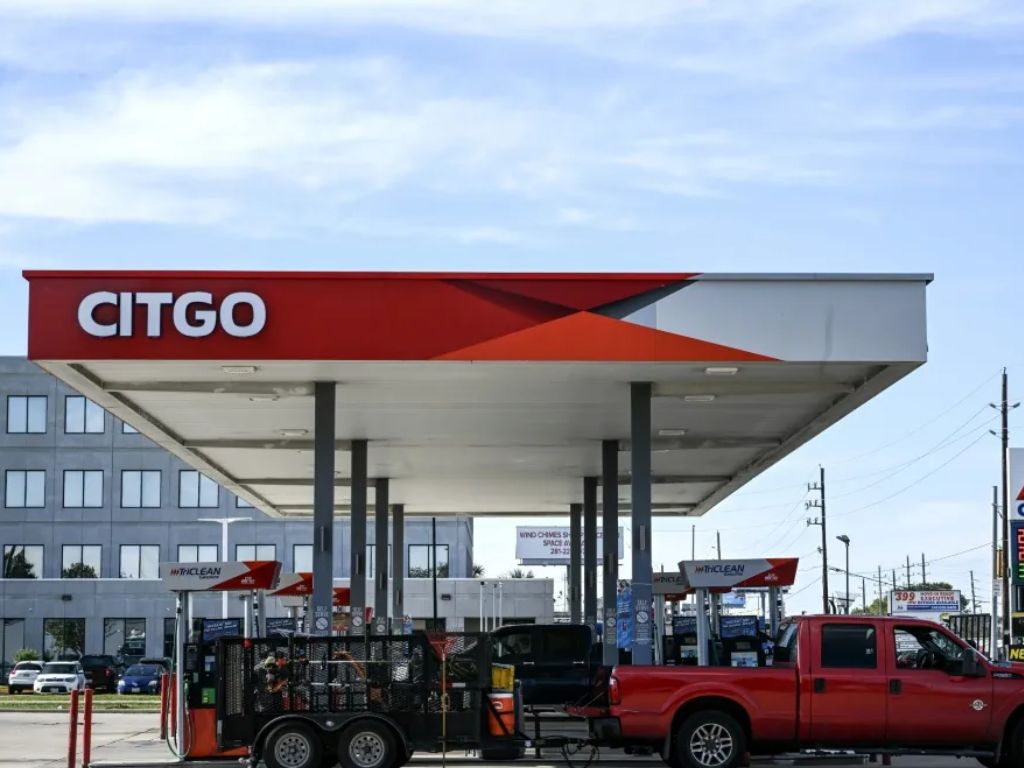
The Daily Journal.— U.S. refiner Citgo posted record exports of ultra-low-sulfur diesel (ULSD) from its Brownsville, Texas, terminal during the second quarter, as the prolonged war between the United States and Iran continued to restrict global supplies of the fuel.
According to the company’s earnings release, second-quarter ULSD export sales in Brownsville more than doubled the previous record, which Citgo set in the third quarter of 2025. The company did not disclose specific volumes.
U.S. fuel prices, particularly distillate prices, have soared since late February as the war against Iran has caused supply shortages. This situation has prompted many U.S. refiners to maximize diesel production.
Citgo said its Lake Charles refinery in Louisiana, which can process 471,000 barrels per day, achieved record distillate production in April.
Other major companies in the sector have also benefited from the strong market. Marathon Petroleum recently cited demand in Latin America and Europe as a driver of its diesel business. At the same time, Chevron pointed to rising European demand as a factor that could tighten the refined-products market in the third quarter.
Regarding its international operations, Citgo said Thursday that shipments to Europe, the Caribbean and South Africa led its second-quarter activity. Strong refining margins helped the company earn $936 million in the second quarter, far above the $100 million it earned during the same period in 2025.
Legal uncertainty persists
Citgo’s future remains uncertain. A U.S. court is auctioning its three U.S. refineries, lubricant plants, and midstream and retail assets to settle debts and expropriation claims against its parent company, PDVSA.
In November, a federal judge selected a $5.9 billion bid from Amber Energy, an affiliate of hedge fund Elliott Investment Management, as the winning offer. The bid included a separate agreement to settle claims with holders representing 75% of a $2.13 billion group of PDVSA bonds.
However, the parties have not closed the sale, and several appeals remain pending in court.
The capture of former Venezuelan President Nicolás Maduro on January 3 and the lifting of sanctions on Venezuelan oil exports have raised new questions about Citgo’s fate.
Although PDVSA owns the refiner, a board appointed by the Venezuelan opposition has managed the company since 2019, while the U.S. government has overseen its operations. This arrangement began after Washington rejected the results of Venezuela’s 2018 presidential election.
Since then, the United States has recognized the government led by Delcy Rodríguez and resumed diplomatic relations.