The Daily Journal.— Labor leaders from different sectors across Venezuela announced a nationwide tour to promote a consultation process among workers and communities, to build their own political platform and challenge the elites that, according to the organizers, monopolize dialogue and power.
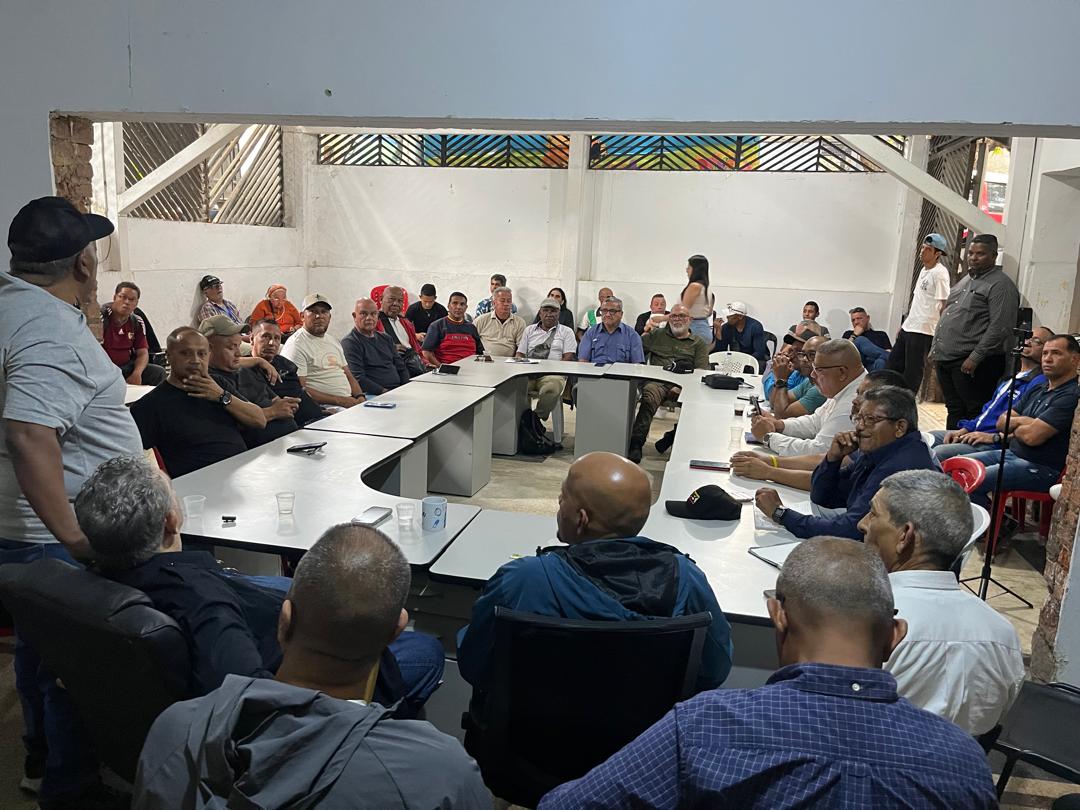
The announcement came during the Great National Workers’ Meeting, titled “National Dialogue and Consultation of Workers, from the Heart of the People,” held in Caracas with more than 100 representatives from 25 branches of industrial activity, including the electricity, oil, construction, cement, and transportation sectors.
“The purpose of this meeting is to travel across the country to consult people in neighborhoods, factories, and rural communities, reaching the heart of the people,” said Luis Contreras, one of the organizers.
Participants proposed holding assemblies in different regions of the country to gather workers’ proposals and demands and prepare a document for discussion at a Great National Congress, scheduled for late 2026 or early 2027.
Robert González, an oil workers’ leader and member of the Executive Committee of the Unitary Federation of Oil and Gas Workers of Venezuela (FUTPV), described the meeting as a “turning point” in building a unified workers’ organization. According to González, the movement seeks to challenge “the elites” and develop a nationwide structure through grassroots consultations and assemblies.
Grassroots organization
Eduardo Sánchez, president of the Federation of University Workers and Employees, called for greater participation from the labor movement and for the democratization of its grassroots structures. He linked this effort to the need to move toward general elections that, in his view, would help restore the country’s institutional framework and guarantee democratic participation.
Ibrahim Esté, national coordinator of the Historical Bloc, advocated building grassroots social structures to counter what he described as “briefcase parties and cardboard leaders.” He said the movement already has workers’ and farmers’ organizations in different regions of the country and that these groups will join the process.
University professor and political leader Juan Barreto, meanwhile, stressed the need to promote collective leadership and argued that sectors excluded from traditional politics should not become instruments of existing political structures.
Barreto also mentioned the case of the REDES party, whose electoral ballot line came under judicial intervention, and proposed making it available to the movement to provide it with a political identity ahead of any eventual electoral participation.
The organizers said the process will go beyond gathering labor demands and will seek to build a political alternative that emerges from grassroots social organizations. According to them, the goal is to bring workers and other sectors together to promote changes in both the country’s political structures and civil society.