Juan Barreto, Director of The Daily Journal for Venezuela and Latin America
In recent days, there has been much talk about dollarization. Congressman Antonio Ecarri put forward this proposal, prompting a strong reaction from National Assembly President Jorge Rodríguez.
Dollarization is a policy that very few countries have adopted. As you know, there are 192 recognized states in the world (193 if we include Palestine), and only a handful — fewer than five countries — have adopted the U.S. dollar as their official currency, in addition to the United States itself, where it is the national currency.
However, other alternatives beyond formal dollarization exist and remain outside the debate. Brazil, for example, introduced the real: a new currency with exchange-rate parity against the dollar that delivered results for a long time. Similar approaches have worked elsewhere.
This raises a question: Can Venezuela implement an autonomous monetary and exchange-rate policy, or are we inevitably condemned to adopt the U.S. dollar as legal tender?
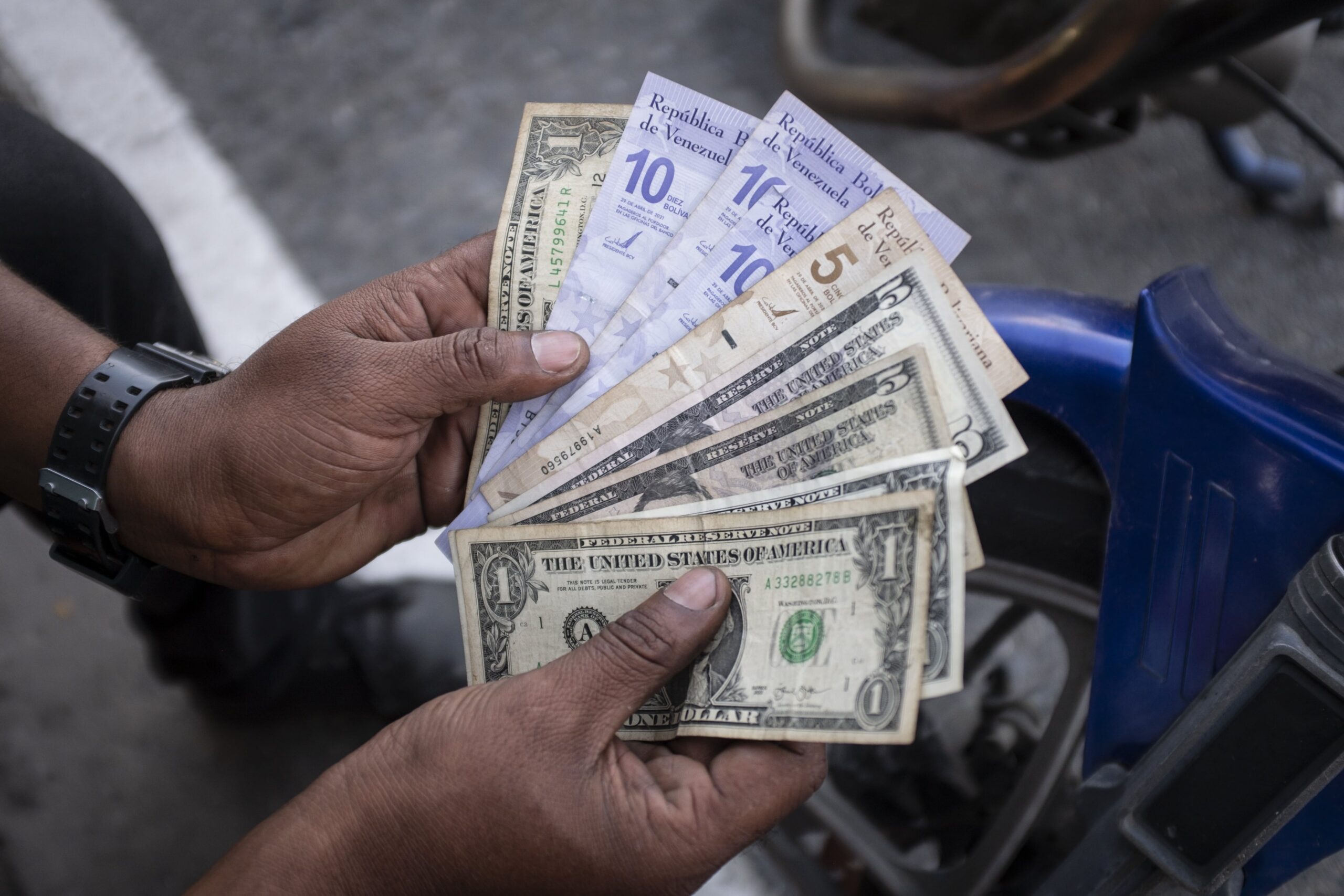
Clearly, people price and sell homes and vehicles in dollars; even the price of a hamburger takes the U.S. currency as a reference. Although people may pay in bolivars through Cashea, Zelle, or transfers such as Pago Móvil, the actual price follows the day’s exchange rate.
While dollarization may offer advantages, it also brings multiple drawbacks, including leaving the country at the mercy of the swings and fluctuations of a foreign currency. Some may ask: “If the dollar already circulates de facto, why not make it official?” But this raises another question: What happens if the economy adopts the dollar while wages remain at their current levels? If the bolivar disappears and workers’ base salaries convert directly into dollars, they would receive barely $0.17 — mere fractions of a dollar.
Would this represent an improvement for the working class, the middle class, public employees, teachers, or healthcare workers? Paying in dollars will not address the shortages in the pockets, pantries, or refrigerators of the productive sectors unless it comes with a genuine policy aimed at restoring wages and recognizing dignified work.
Therefore, dollarization alone is not enough. Venezuela needs a comprehensive economic and exchange-rate plan that puts people at the center and prioritizes the needs of workers and the most vulnerable sectors.