The Daily Journal.- U.S. oil company Continental Resources signed a memorandum of understanding (MOU) with Venezuelan state-owned oil company PDVSA to develop and operate the Ayacucho 2 block in the Orinoco Oil Belt.
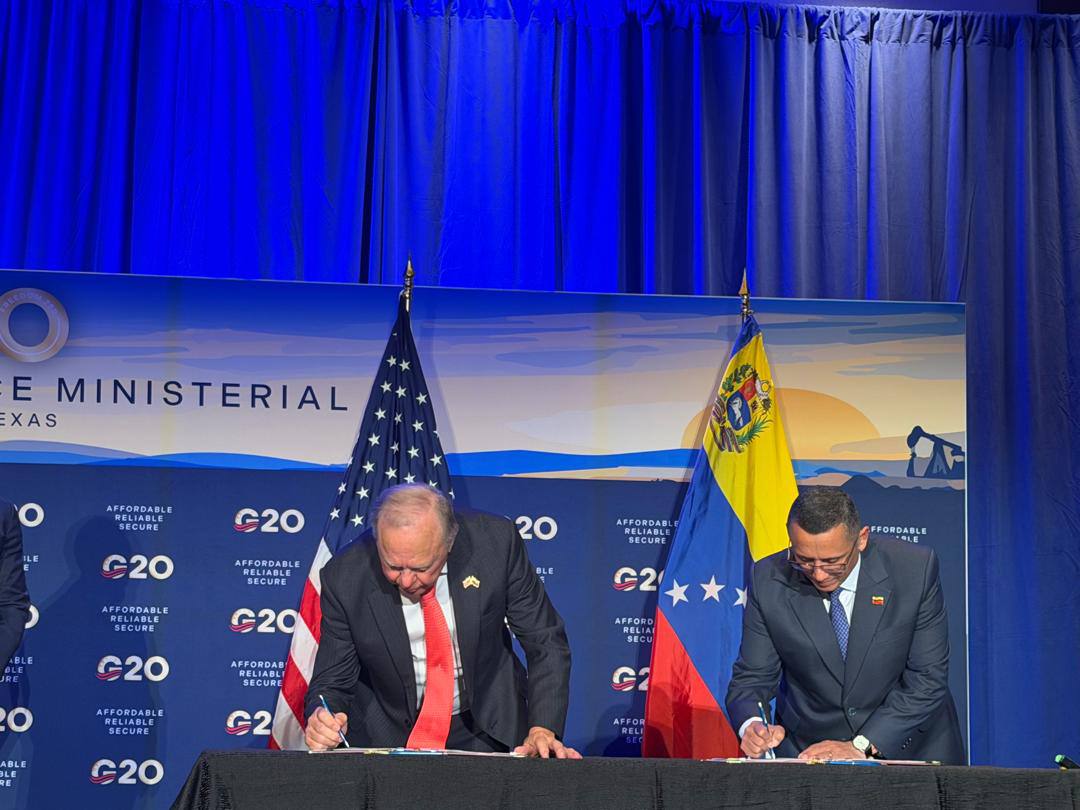
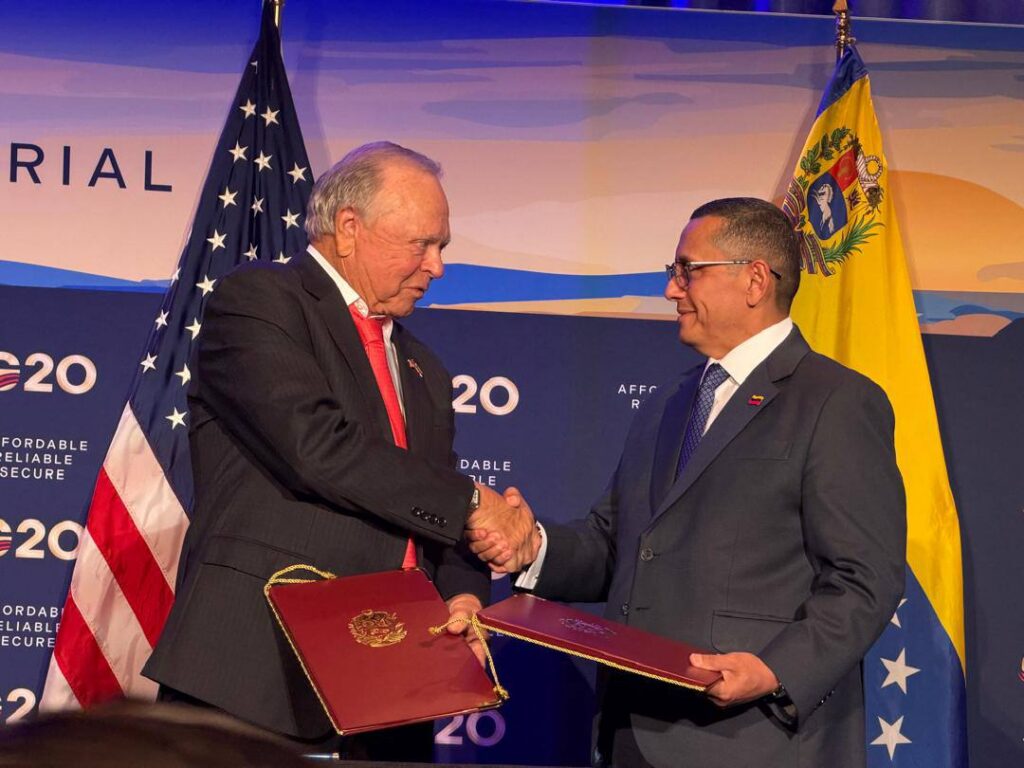
PDVSA Executive Vice President Jovanny Martínez and Continental Resources founder Harold Hamm signed the agreement in Houston during the G20 Energy Ministers’ Meeting.
The block, north of the Orinoco River in Anzoátegui state, covers about 51,000 hectares and holds an estimated 30 billion barrels of in-place oil, according to Continental.
The figure represents the amount of oil present underground and does not constitute proved reserves or indicate any specific level of future production, the company clarified.
For now, the MOU represents a preliminary agreement. Continental said both parties plan to negotiate the terms of a long-term contract to develop and operate the block over the coming weeks.
Continental Resources, an Oklahoma-based company and one of the leading private oil and gas producers in the United States, said it began exploring investment opportunities in Venezuela after the Donald Trump administration called on U.S. energy companies to help rebuild Venezuela’s oil industry.
“We are excited to participate in the revitalization of Venezuela’s energy industry,” Continental Resources President and CEO Doug Lawler said in a company statement.
Venezuela’s Acting President Delcy Rodríguez described the memorandum as another of the “firm steps” toward developing the country’s energy industry.
In a message on Telegram, Rodríguez said the agreement aims to “boost technical and financial capabilities for the development of the Ayacucho 2 block” and added that these partnerships will help strengthen hydrocarbon production.
The memorandum adds to moves by U.S. companies to explore opportunities in Venezuela’s oil sector as Caracas seeks to attract capital and technical expertise to restore crude oil production.