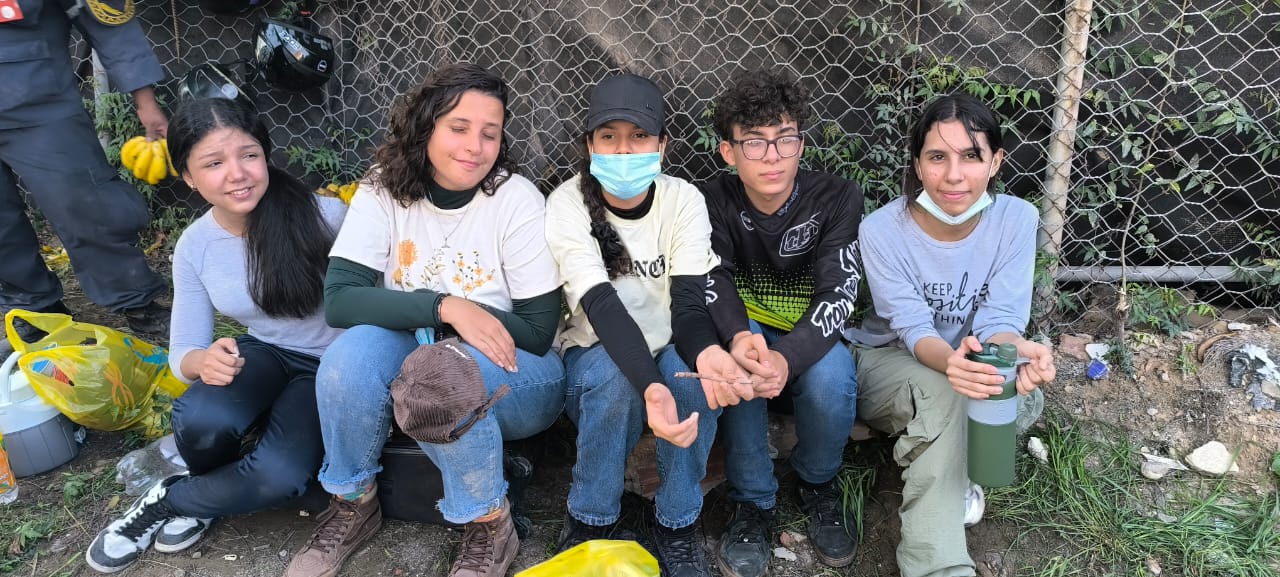
Parents, teachers, and students from Luisa Goiticoa Community School descended into the heart of the disaster at the Gradisca building to search for their classmate Ángel Alí Velázquez and his family. Their journey became a lesson in courage, grief, and humanity amid the ruins.
Investigative Team
The Daily Journal, Caracas / Macuto. — “It’s terrible, sweetheart. It smells awful. It smells like death. People are crying, sleeping on the streets, and going hungry,” warned a father as he tried to shield his 16-year-old daughter from the harshest reality. Her answer swept aside every attempt to protect her.
“We’re not going there as tourists, Dad. We’re going to find out if anyone is still alive.”
Those words marked the beginning of an improvised yet courageous youth rescue mission. Students and parents from the Luisa Goiticoa School of Integration and Community Education in Caracas refused to stand by after the devastating earthquake that struck on June 24.
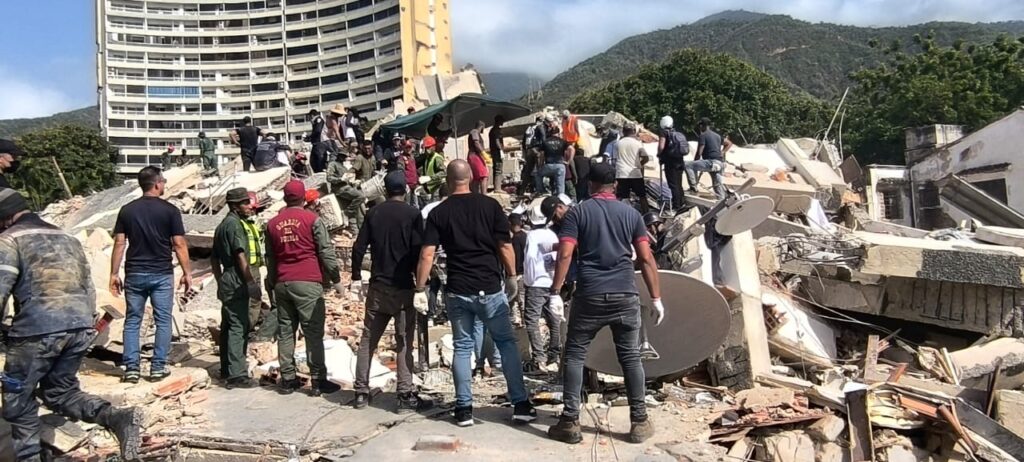
One of their own, Ángel Alí Velázquez, traveled every day from the coast to Caracas to attend school. Now he was trapped. He, his brother Ángel Abraham, their mother Aris, and their father Ángel had been at home in the Gradisca apartment building in the El Cojo neighborhood of Macuto when the earth split apart. Today, the structure lies as a collapsed giant of concrete.
A stop among the rubble: Ángel’s sketchbook
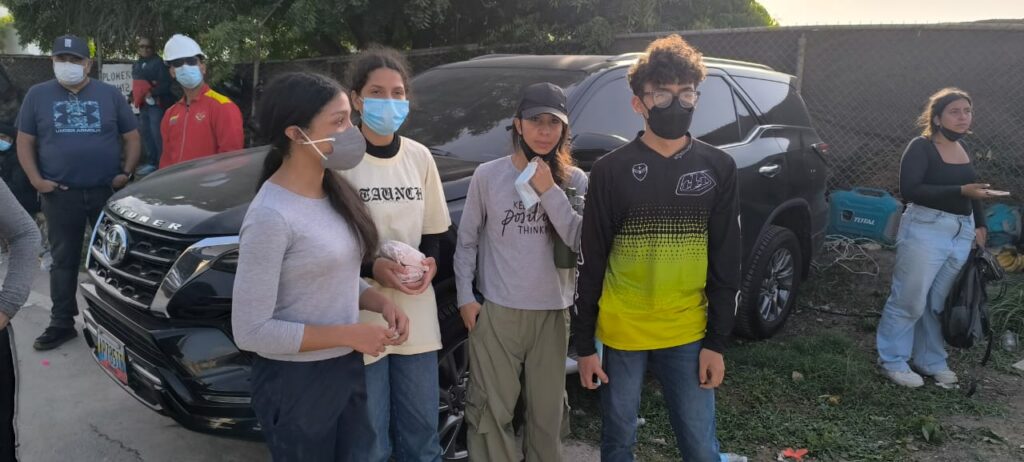
The group first gathered at the EPA home improvement store in Los Ruices, Caracas. Parents and students purchased the essentials for the mission: face masks, shovels, gloves, and sledgehammers. They also brought extra supplies for the exhausted rescuers already working in the area.
When they arrived in Macuto, they found a heartbreaking scene. On Thursday, the collapsed building had remained untouched. Neighbors heard cries from beneath the rubble, yet no official rescue teams had arrived. By Friday, residents still relied on their own hands to move rocks and broken concrete.
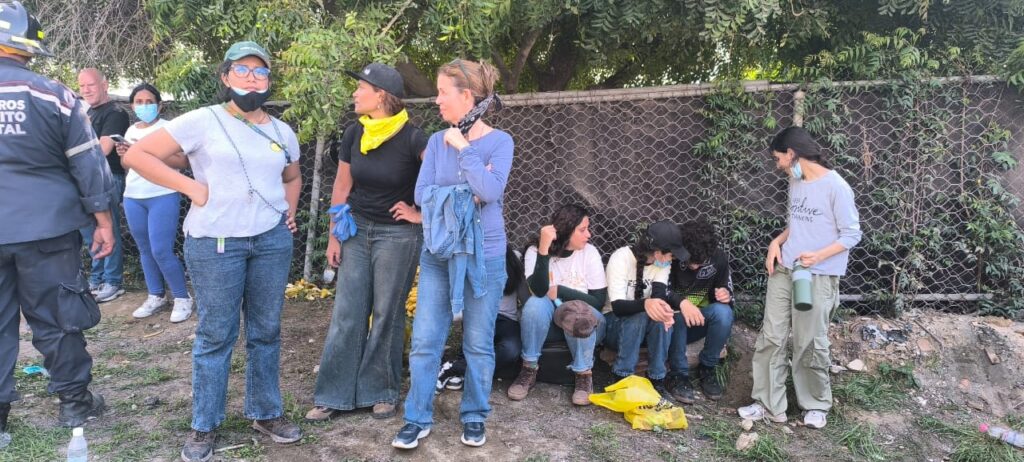
Following strict safety measures, the youth team—Isabella Torres, Mariella, Adrian, Zoe España, Constanza España, Adrián Yánez, and Naska Aponte—joined teacher Gryselt and parent representative María Felicita to help clear debris. They searched for clues, signs of life, and anything that belonged to Ángel.
Then the ruins began to speak.
A notebook appeared beneath the dust, followed by a passport, scattered clothing, and finally Ángel Alí’s sketchbook.
The Art teacher burst into tears as soon as she saw it.
Its pages held the drawings and dreams of a boy who now rests beneath tons of concrete. With remarkable tenderness, the students carefully placed every recovered item into a suitcase belonging to the Velázquez family, which they had also found at the site. They planned to return everything to the relatives when either a miracle or the certainty of mourning arrived.
“There is faith. There is hope. But there are also tears and deep pain,” said one of the parents, moved by the teenagers’ strength.
Order within the chaos
By Friday afternoon, authorities finally began to organize the operation. Police officers arrived, followed by a military unit led by a commander who used a megaphone and treated everyone with courtesy and respect while bringing order to the confusion.
Later that evening, the People’s Guard relieved the exhausted relatives and neighbors and joined firefighters in a structured rescue operation.
The effort produced both hope and heartbreak.
Rescuers pulled a young woman alive from the depths of the Gradisca building. They also recovered the bodies of two adults.
During the operation, our cameraman, Víctor Sánchez (Victorinox), captured a painful image through a narrow opening in the concrete: the lifeless body of a man in the exact area where rescuers searched for the Velázquez family. Authorities have not confirmed his identity, but many believe he is Ángel, the family’s father.
The Journey home beneath the Samán Tree
Shortly after 7:00 p.m., the Luisa Goiticoa School team began the trip back to Caracas. They left the coast carrying sadness, yet they also carried the certainty that they had made a difference. The parents transformed the pain of loss into community action while honoring the values their school teaches under its motto, “Being different is what we all share,” beneath the broad branches of the Samán tree that shelters every school activity.
The journey ended close to 10:00 p.m. Inside the vehicle, silence filled every seat. Outside, overwhelming noise surrounded them. Thousands of motorcycles, private vehicles, ambulances, police patrols, and heavy machinery crowded the highways leading to La Guaira, creating what many described as an “organized disorder.”
Many people describe today’s teenagers as the “crystal generation,” suggesting they lack resilience. Yesterday, amid the ruins of Macuto, these young people revealed something very different.
They carried the resolve of steel.
They returned home exhausted, yet stronger because they had faced overwhelming adversity. They could not stop the earthquake, but with shovels, tears, and courage, these children overcame its devastation. Their actions proved they are ready to build a more just and compassionate world.
The Daily Journal stands with the Luisa Goiticoa School community and the relatives of the Velázquez family in both their grief and their hope.