Román Eduardo Reyes Vásquez, Foro Penal Coordinator in Utah. — The recent earthquakes forced Venezuela to confront the full extent of its own fragility. The destruction of homes, hospitals, schools, and public services demands an urgent physical reconstruction. But no country rebuilds itself with concrete alone. It must also restore justice, public trust, and respect for freedom. Rebuilding infrastructure will not be enough if the country continues to preserve the structures that enable political persecution.
The natural disaster coincided with another tragedy—one that has unfolded over a much longer period: the systematic deterioration of the institutions responsible for administering justice. For more than a decade, Venezuela’s criminal justice system has served to intimidate, silence, and punish those who protest, expose abuses, practice journalism, or defend human rights. The criminalization of dissent is not an isolated phenomenon but an enduring practice that has turned the law into an instrument of political control.
Foro Penal, the organization that maintains the country’s most comprehensive and verifiable database on the issue, has documented 19,142 politically motivated arrests since 2014. In addition, more than 11,000 people have faced criminal proceedings under precautionary measures that restrict their freedom despite not being convicted. These figures reveal a clear pattern: political imprisonment is not an occasional excess but a state policy that has endured over time and affected thousands of families across the country.
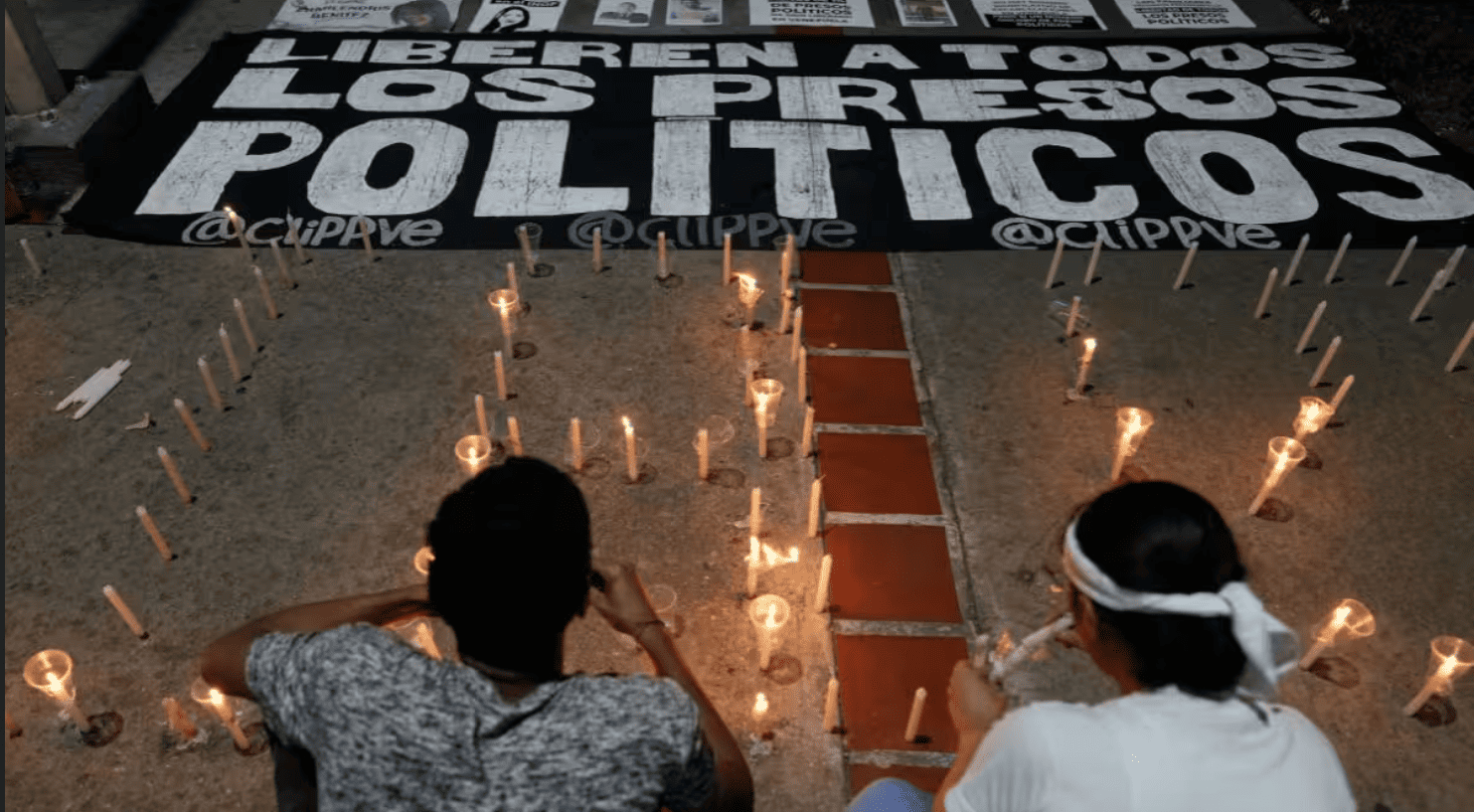
Foro Penal’s official report, updated through July 6, 2026, records 372 political prisoners in Venezuela. Among them are 214 civilians and 158 members of the military. Thirty-seven hold foreign nationality. The organization also reports that 213 of these detainees have never been convicted, meaning they remain behind bars without a final judgment, in direct contradiction to the principles of due process. These figures come from the NGO’s direct monitoring, which it verifies and publishes every week.
The Amnesty Law brought hope to hundreds of families and led to releases, the dismissal of charges, and the lifting of precautionary measures. Denying those advances would be unfair to those who regained their freedom and to families who waited years for the release of a loved one. Yet the amnesty did not dismantle the structure that makes political imprisonment possible. The releases were significant, but the system that continues to produce new political prisoners remained untouched. The consequence is clear: while some people walked free, authorities detained others under the same logic of persecution.
In my book, Judges of the Regime: The Application of Laws Against Dissent in Venezuela, I examine how the criminal justice system can transform dissent into a crime. Persecution does not end with arrest. It continues through precautionary measures that require regular court appearances, travel bans, restrictions on speaking publicly, and legal cases that remain open for years. That is why it is essential to distinguish between release from prison and freedom. A person may leave a prison cell while still living under state control, compelled to remain silent, or fearing expressing their views again.
In the aftermath of the earthquakes, Venezuela needs solidarity and national unity. But unity cannot rest on fear, nor can it ask victims to forget while others remain behind bars. Physical reconstruction will remain incomplete if the justice system continues to serve as a tool for punishing political opponents. Political imprisonment not only violates individual rights—but it also obstructs institutional reconstruction by sending the message that the law serves those in power rather than limiting their power.
The 372 political prisoners who remain in detention today provide the clearest evidence that Venezuela’s democratic reconstruction is still unfinished. The country may rebuild buildings, repair highways, and restore public services. But it cannot rebuild its democracy while it continues to imprison dissent.
National reconstruction requires freeing not only those who have been unjustly imprisoned, but also the institutions that persecution has captured.
A country that has truly reconciled with itself does not manage political imprisonment—it abolishes it.