Food production, power generation, and access to water could suffer if this phenomenon becomes extreme. Models indicate that it will.
Vanessa Davies
El Niño is no game. It never is under normal conditions, and much less so during this period, which promises to be fiercer than usual. Colloquially dubbed a Super El Niño, but defined by meteorologists as an extreme El Niño, it arrives “supercharged” and brings even more severe effects.
This El Niño becomes strong when surface temperatures in the affected region of the Pacific Ocean rise more than 2 degrees Celsius above normal. The heat that the ocean transfers to the atmosphere creates conditions that lead to droughts and wildfires, but also to floods and disease.
Climate change does not cause El Niño, but it does magnify it, clarified environmentalist Alejandro Álvarez, coordinator of Clima 21.
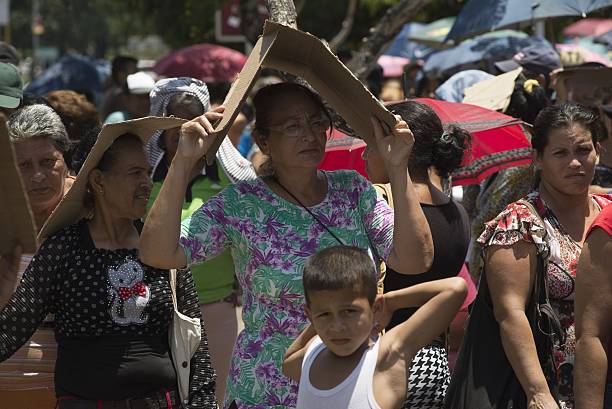
SAN FÉLIX, VENEZUELA. (Photo by Carlos Becerra/Anadolu Agency/Getty Images)
Rainfall by the drop
Venezuela traditionally associates El Niño with low rainfall and high temperatures. In other words, it affects services such as water and electricity, with all the consequences one might expect.
Less rainfall means reservoirs with smaller water reserves. This translates into greater water stress in cities, but also a potential impact on power generation—which in Venezuela relies on the Guri Dam in Bolívar state for 70% or more of its electricity. Farmers also face greater difficulty obtaining the water they need for planting.
During El Niño years, “we have seen crop yields fall by 20% to 60% for each agricultural product,” said Saúl López, president of the Venezuelan Society of Agricultural Engineers. “El Niño years have proved extremely difficult for food and agricultural production.”
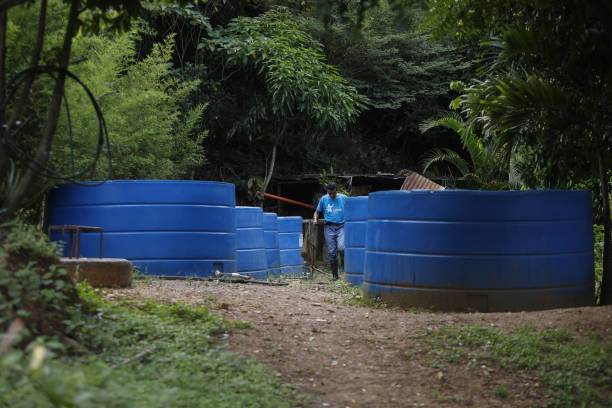
(Photo by Pedro Rances Mattey/Anadolu via Getty Images)
Reservoirs: professional management
“We must manage reservoirs with professional technical expertise,” stressed Norberto Bausson, president of the Venezuelan Society of Hydraulic Engineering. The country has more than 100 reservoirs, and “we must manage them very carefully if we want to avoid problems,” he emphasized.
Authorities must know how much water they can draw from each reservoir without causing difficulties, Bausson explained. The same principle applies to Guri, Venezuela’s major power generator: the goal is not to drain it, but to use it with professional judgment.
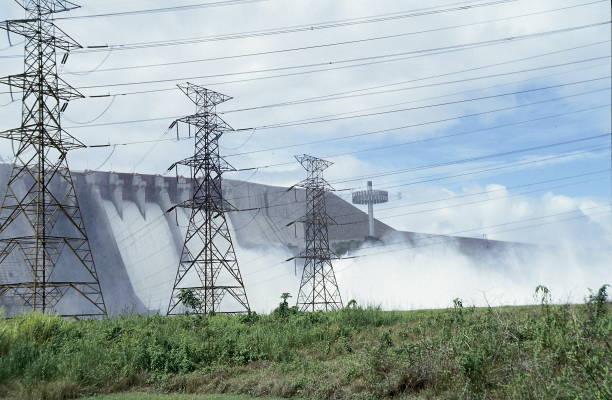
The Guri Dam in Bolívar State, Venezuela. (Photo by Independent Picture Service/Universal Images Group via Getty Images)
The heat is here
Alejandro Álvarez also drew attention to rising temperatures because people expose themselves to the heat without fully understanding the consequences. The environmentalist noted that people who work outdoors often forget that they can suffer heatstroke. He emphasized that the most vulnerable members of the population—older adults, children and people with disabilities—need special attention.
The education and healthcare sectors may need to adopt measures, but Álvarez proposes tailoring them to each region because conditions differ from place to place. In short, the aim is not to “scold” El Niño, but to “learn how to play” with it—even when it wants to make its presence felt with full force.