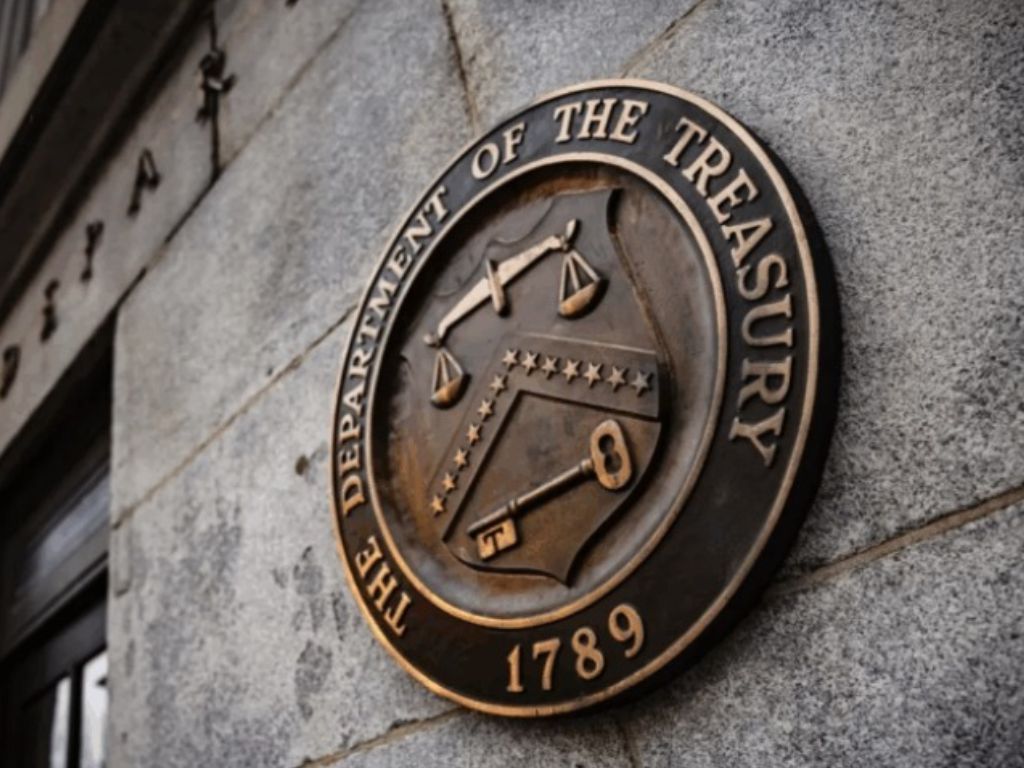
The Daily Journal – The U.S. Department of the Treasury, through the Office of Foreign Assets Control (OFAC), issued a package of eight amended general licenses related to Venezuela on August 27, 2026, along with updates to several frequently asked questions.
The action seeks to redefine the scope of permitted operations for U.S. and foreign companies in key sectors of the Venezuelan economy while maintaining strict oversight and reporting requirements.
The amended licenses cover a broad range of economic activities. These include trade in Venezuelan-origin oil and petrochemical products, sales of U.S.-origin diluents to Venezuela, and the supply of goods and services to the oil, gas, and electricity sectors.
OFAC also updated provisions covering mineral extraction, including gold, transactions with state-owned Petróleos de Venezuela (PDVSA), and the telecommunications sector. Companies such as Chevron, Repsol, Shell, BP and Eni rank among those that received specific authorizations to operate in the Caribbean country.
One of the most significant technical changes in this regulatory package involves greater flexibility in the governing-law clause for contracts signed with the Venezuelan government, PDVSA or Minerven. Previously, the rules required such agreements to follow the laws of a U.S. state, but OFAC has now eliminated that requirement.
However, OFAC still requires parties to resolve contractual disputes in courts or arbitration centers in the United States, United Kingdom, France, or Singapore. This provision ensures that, despite the greater flexibility, the jurisdictional framework remains anchored in allied financial centers.
Despite the partial opening, the licenses impose strict conditions that companies must meet to avoid violations. Companies must channel payments to blocked individuals or entities into funds designated under Executive Order 14373 or specific accounts that the Treasury Department authorizes.
The rules also require periodic reports to the Department of State and the Department of Energy. In the mining sector, they expressly prohibit companies from processing or refining Venezuelan gold in Russia, Iran, North Korea, Cuba or China. Companies must also maintain strict chain-of-custody documentation and update it every 30 days.
The licenses also clearly define the activities that remain prohibited. They do not authorize the creation of new joint ventures in Venezuela or permit transactions involving sovereign debt, bonds, enforcement of judgments against the state, or transfers of shares in state-owned companies.
These restrictions suggest that Washington seeks to facilitate the production and trade of strategic resources without fully opening access to international financing or Venezuela’s frozen state assets, thereby maintaining selective pressure on Nicolás Maduro’s government.
Economist Aníbal Sánchez argues that OFAC’s move represents a significant adjustment to U.S. sanctions policy by facilitating the participation of U.S. and allied companies in crucial sectors such as oil and mining.
Sánchez emphasizes that removing the requirement to apply the law of a U.S. state should serve as a nod to the Venezuelan government’s recent investment reforms. He argues that observers could interpret the change as Washington’s tacit recognition of Caracas’ progress in strengthening legal certainty.
Nevertheless, he warns that the licenses retain extremely strict financial controls and reporting requirements, demonstrating that Washington continues to condition any economic opening on rigorous oversight mechanisms designed to prevent resources from directly benefiting the regime.
In conclusion, Sánchez argues that this package opens a window of opportunity for the gradual recovery of Venezuela’s oil and mining production, provided that authorized companies successfully navigate the complex compliance requirements and specific prohibitions that remain under U.S. regulations. However, the actual impact will depend on the companies’ operational and financial capacity to adapt to the new rules.