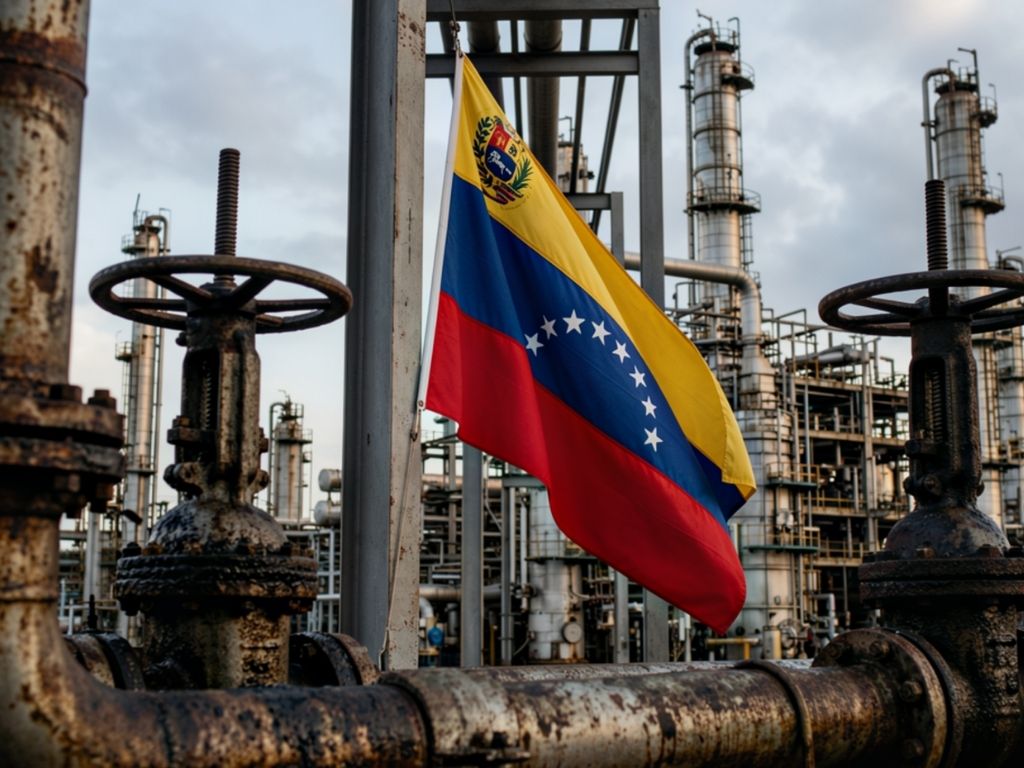
Dr. Juan Barreto, Director of The Daily Journal for Venezuela and Latin America.— The week begins with plenty of movement on the oil front. On the one hand, this Friday, U.S. President Donald Trump announced on his social media platform that he had signed an oil agreement with Venezuela’s acting president, Delcy Rodríguez, calling it “the deal of the century” in the energy sector. He also spoke of a 100-year agreement, one that would fall within the geopolitics of U.S. interests.
Today, he wrote that it is a gift from Venezuela to the United States and that, with this share of oil, the United States will replenish its depleted strategic reserves. As we all know, the United States has been drawing down its strategic reserves since the war between Russia and Ukraine began, and it faces a technical problem: a significant portion of those reserves cannot be extracted because they were reinjected into wells that overheat and could explode when drilled for use. So, the United States would be increasing its own reserves with Venezuela’s reserves.
How did they sign that contract? To what extent does it benefit or harm Venezuelans? There are many things we do not know, and that signing raises more questions than answers. Acting President Delcy Rodríguez made some statements yesterday, in a sort of press conference—or rather, on Saturday—in which she tried to clarify a few things. There is a Venezuelan saying: “Don’t clarify, you’ll only make things murkier; don’t untangle it, you’ll only make it more tangled.”
She speaks of a 25-year contract but does not clearly establish whether it constitutes a concession or what the contract details actually entail. She speaks of an investment of around $100 billion, but does not establish the stages of that investment. She speaks of 17 green wells, meaning wells that have already undergone exploration and exploitation, but does not identify those wells or explain the specific needs of each one.
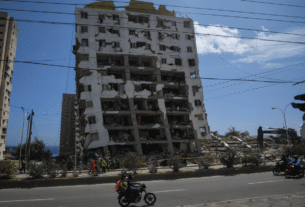
People are already joking about it in the streets: “Well, if it’s 100 years, we’ll have 100 years to hear the explanations; if it’s 25, then let’s celebrate because the explanations will arrive sooner.” In any case, Venezuela’s oil situation appears to favor U.S. interests, and the question is how, somehow, this translates into salaries for doctors, nurses and teachers, and into rebuilding our cities, which lie in ruins; how it will help address the crisis and the terrible catastrophe that struck—excuse me—the state of Vargas and other cities. And I would also add: let us hope that this money will be enough to compensate the thousands upon thousands of Venezuelans who were unjustly imprisoned, whose time was stolen from them, who suffered mistreatment, and who only recently managed to regain their freedom.
Will this agreement bring transparency? Will it mean the end of the blockade and sanctions, and will the Anti-Blockade Law be repealed, as the law itself provides once the blockade and sanctions end? Will this mean an opening toward the United States and the West in the same direction? Francisco Rodríguez, a Venezuelan economist living in the United States, has said this agreement is heavily skewed against Venezuelan interests and that many other international agreements offer much more favorable terms to nations that own the subsoil and energy resources.
In any case, life itself will resolve all the questions raised by this signing, and the days ahead will provide the answers.