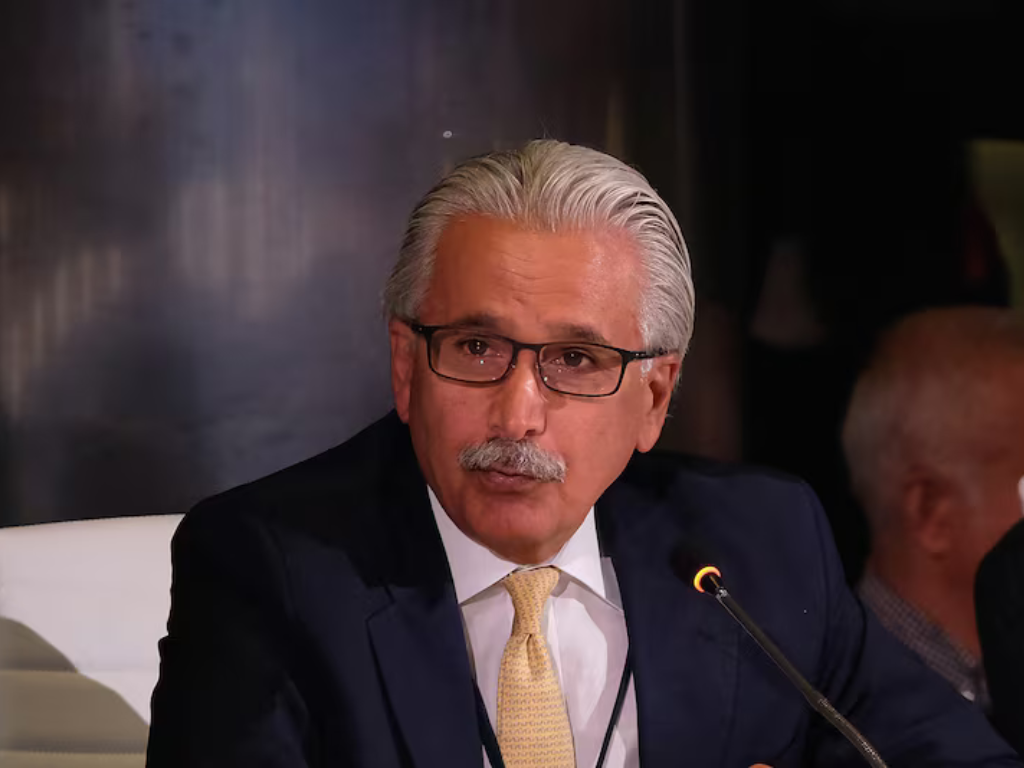
Julio A. López, Editor-in-Chief. Veteran oil executive Ali Moshiri said he has not signed any memorandum of understanding (MOU) with the Venezuelan government. “The information published by Bloomberg is incorrect,” Moshiri told this publication.
The clarification comes just hours after Bloomberg published a report claiming that Moshiri’s team in Caracas had already signed a memorandum of understanding for one of the seven oil fields in which he has expressed interest.
Moshiri denies signing any MOU and says his fund is still waiting for a formal response from the Venezuelan government.
“We were among the first companies to tell the Venezuelan government, back in January, that we were ready to invest $2 billion in seven oil fields, and we are still waiting,” Moshiri said.
“We have the knowledge, the experience and the capital to execute our plans, but we depend on receiving a contract that makes sense for us; we don’t want a contract just to be in the picture,” he added.
“We don’t know what method they used to select the companies that will work in Venezuela’s oil fields. We have nothing against a cryptocurrency company getting a field; everyone is welcome. But at the end of the day, the ones who will produce the oil will be those who know how to do it,” said Moshiri, former president of Chevron in Venezuela and current CEO of Amos Global Energy.
Moshiri’s comments come amid intense competition among U.S. oil companies and investment funds seeking a foothold in the revival of Venezuela’s energy sector following the fall of Nicolás Maduro earlier this year. Moshiri, who led Chevron’s operations in Africa and Latin America until 2017, launched a fund in 2025 to attract investment for oil projects in the country.
The executive has publicly described Venezuela as a strategic opportunity for U.S. energy security because its crude can reach U.S. refineries without relying on sensitive maritime corridors such as the Strait of Hormuz. Moshiri has also questioned the operational capabilities of other players that have gained access to Venezuelan oil fields under the new investment framework promoted by Washington, arguing that they lack the experience required to manage complex oil operations.