The Daily Journal. — The international oil industry is once again turning its attention to Venezuela, with an agenda focused on new investment opportunities, particularly in the natural gas sector, as environmental commitments and the cleanup of longstanding environmental liabilities emerge as major challenges for the energy industry.
Some 650 delegates from 30 countries are attending the Venezuela International Oil and Gas Summit (VIOGS 2026) in Caracas. Backed by IESA, VenAmCham, and companies such as Chevron, Repsol, and TotalEnergies, the event aims to promote new investment and facilitate Venezuela’s reintegration into the international energy market.
The Caracas Gas Forum accounts for a significant part of the summit’s business agenda, as developing Venezuela’s natural gas reserves emerges as one of the areas with the greatest potential to attract capital and expand the country’s energy supply.
However, discussions surrounding new investment also address the environmental impact of oil operations. Venezuelan environmental organizations are calling for any effort to revive the industry to include verifiable commitments to reduce emissions and address environmental liabilities accumulated over decades of hydrocarbon exploitation.
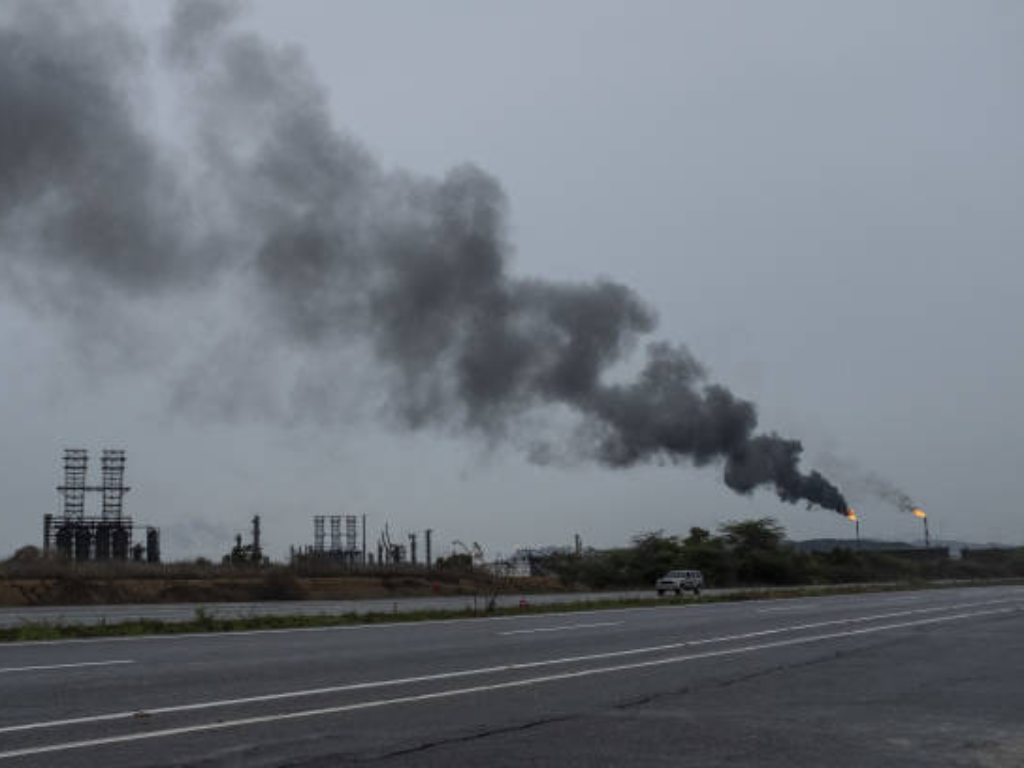
“One of the main areas of concern is the flaring of natural gas associated with oil operations in eastern Venezuela,” said activist Leonardo Salazar, a member of the Montalbán Agroecological School.
Salazar explained that capturing and processing that gas could “generate an additional source of revenue” while reducing emissions from flaring and limiting the release of methane, a potent greenhouse gas.
The environmental activist also called for new oil projects and contracts to include “specific, auditable funds for the remediation of environmental liabilities.”
Among the problems he highlighted are oil spills affecting Lake Maracaibo and coastal areas in the states of Falcón and Carabobo.
“The presence of major international companies makes compliance with global sustainability, environmental and governance (ESG) standards increasingly relevant, as investors and companies use these criteria to evaluate energy projects,” Salazar said.
Against this backdrop, civil society organizations and academic representatives argue that environmental commitments announced by companies must translate “into concrete obligations, with mechanisms for oversight, financing and accountability.”
The potential recovery of Venezuela’s oil industry therefore presents a dual challenge: attracting the capital needed to increase production and develop the country’s natural gas potential while incorporating into the business model the costs of preventing, repairing and mitigating accumulated environmental damage.
“For environmental groups, the discussion about Venezuela’s energy future cannot focus solely on how much oil and gas the country can produce. It must also address how much it will cost to restore affected ecosystems and who will assume that responsibility,” Salazar said.