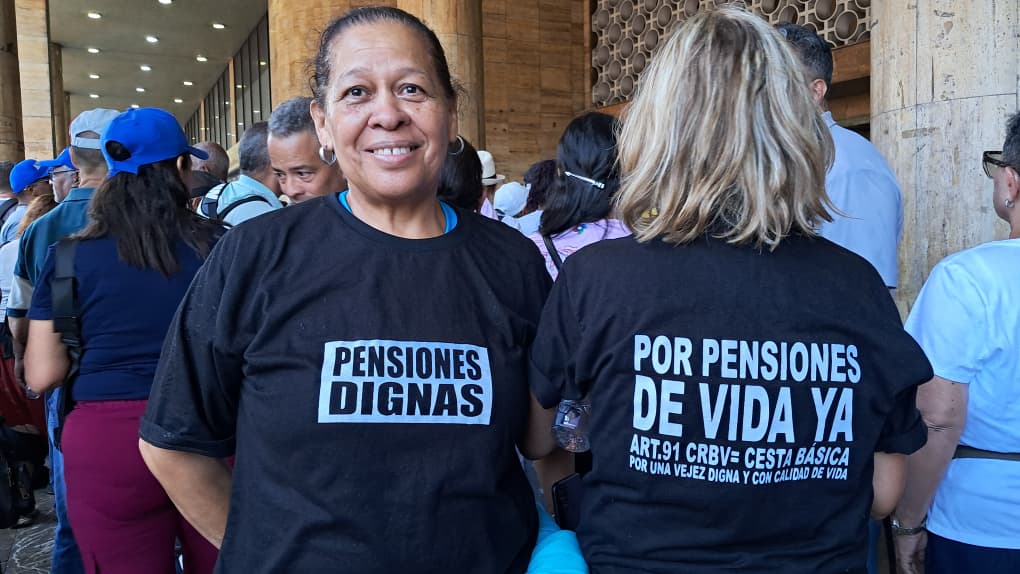
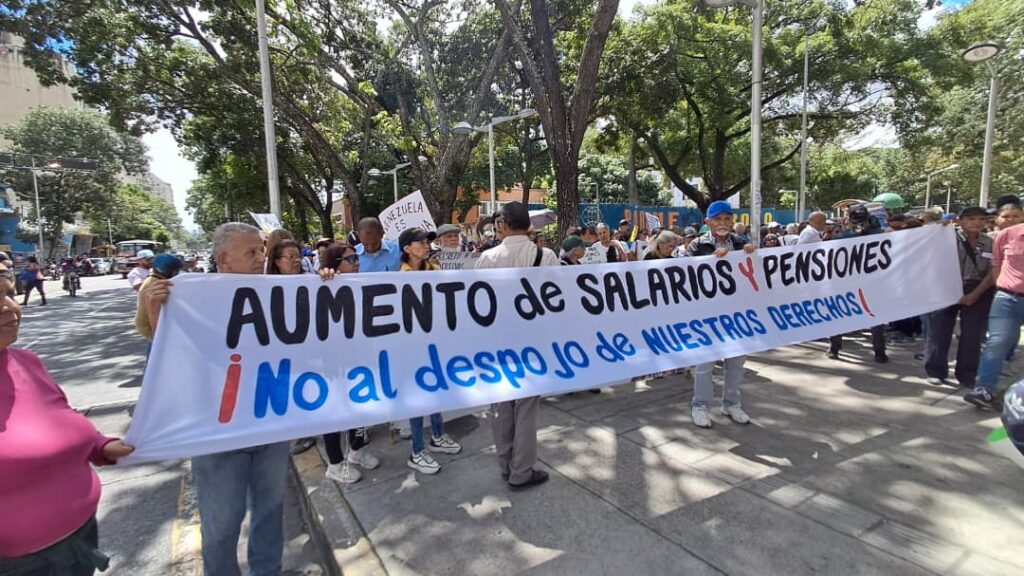
The Daily Journal. — Months have passed since the U.S. military intervention in Venezuela, yet the promise of improved living conditions for Venezuelans remains unfulfilled. The independent movement of workers, retirees, and pensioners is demanding from the interim administration the same measures it previously demanded from Nicolás Maduro: a general increase in wages and pensions tied to the cost of the basic basket of goods, the resumption of collective bargaining and the restoration of labor benefits that, according to the organizations, have deteriorated in recent years.
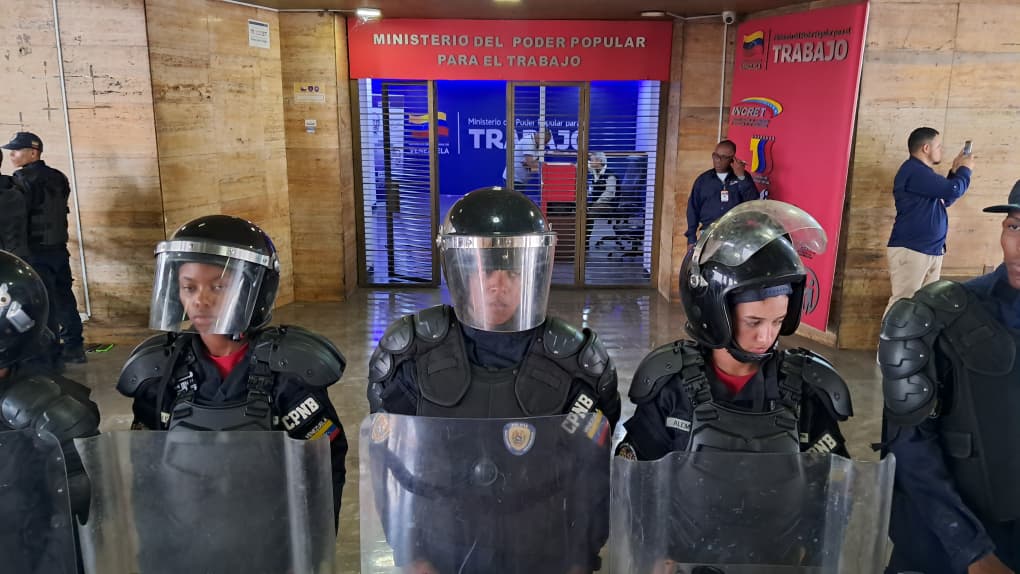
The organizations presented their demands last Thursday, September 24, to the Ministry of People’s Power for the Social Process of Labor in a new petition addressed to Labor Minister Carlos Alexis Castillo.
The document states that the ministry has also failed to respond to the petition labor organizations submitted in March, which included a series of demands concerning wages, collective bargaining agreements, severance benefits, and freedom of association.
The wage issue represents the main point of the new document. Workers demand that the minimum income be benchmarked to the cost of the basic basket of goods, in accordance with Article 91 of the Venezuelan Constitution.
“We demand a general increase in wages, salaries and pensions, with a minimum starting level indexed to the actual cost of the Basic Basket of Goods,” the petition states.
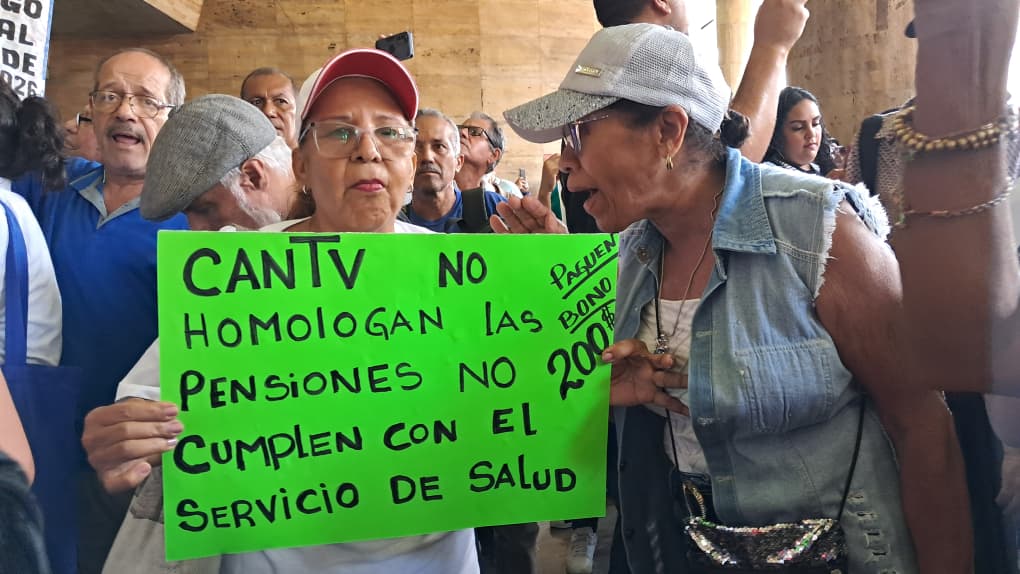
The demand covers active workers as well as retirees and pensioners. The organizations also demand that employers calculate year-end bonuses based on the new salary and pay them in full, without installments. They also call for the same treatment for pensioners covered by the Venezuelan Social Security Institute (IVSS) and the Amor Mayor Mission.
Wages versus oil revenues
The labor movement links its demands to the expected evolution of revenues from Venezuela’s oil sector and to the easing of the U.S. sanctions and licensing framework that allows certain hydrocarbon operations.
According to the petition, while the country moves toward new agreements and investments in the energy sector, the resulting revenue recovery has yet to produce a comparable improvement in workers’ purchasing power.
“This boom is completely absent from the pockets of the working class,” the document states, arguing that capital and private and financial sectors capture most of the benefits generated by economic activity.
The organizations particularly question the use of non-wage bonuses to supplement workers’ income. They argue that these payments do not have the same effect on benefits such as vacation pay, year-end bonuses and severance benefits.
Demands over ONAPRE and Memorandum 2792
Another central issue in the petition concerns the wage policy that the public sector has implemented in recent years.
Workers are calling for the repeal of the ONAPRE Guidelines and Memorandum 2792, measures that, according to the signatory organizations, altered wage structures and restricted benefits established under collective bargaining agreements.
The document also calls for resuming negotiations over expired collective bargaining agreements in both the public and private sectors.
Through this demand, unions seek to restore collective bargaining mechanisms that they consider essential for determining wages and benefits based on economic conditions.
Severance benefits and labor benefits
The petition also calls for restoring the inviolability and retroactive application of severance benefits, citing Article 142 of the Organic Law of Labor, Workers and Working Women (LOTTT).
Workers argue that inflation and currency depreciation have significantly reduced the real value of these benefits, which serve as economic protection when an employment relationship ends.
They also demand the restoration of benefits historically included in collective bargaining agreements, including health insurance and savings mechanisms managed by workers themselves.
Freedom of association
The document’s fifth demand addresses union leaders and workers who face prosecution or detention for participating in protests.
The organizations are calling for the release of those they consider “unjustly detained and prosecuted” and demand an end to what they describe as the persecution and criminalization of union activity.
The petition warns that workers, pensioners and retirees will continue their demonstrations if they do not receive a response they consider satisfactory.
“Workers, pensioners and retirees will continue protesting firmly and consistently in the streets until we secure the restoration of our rights,” the document states.
A dispute over income distribution
The demands reflect a broader debate over income distribution in Venezuela. While the government seeks to restore production and revenues from the energy sector, labor organizations are calling for any potential improvement in national income to translate into wages and labor benefits with greater purchasing power.
The petition does not specify an amount for the new salary. Instead, it proposes the cost of the basic basket of goods as the benchmark. It demands that wages once again serve as the basis for calculating severance benefits, pensions, vacation pay and other wage-linked benefits.
The Labor Ministry’s response will determine whether the parties resume negotiations over these demands, as the labor movement calls for economic recovery to have a direct impact on workers’ incomes.