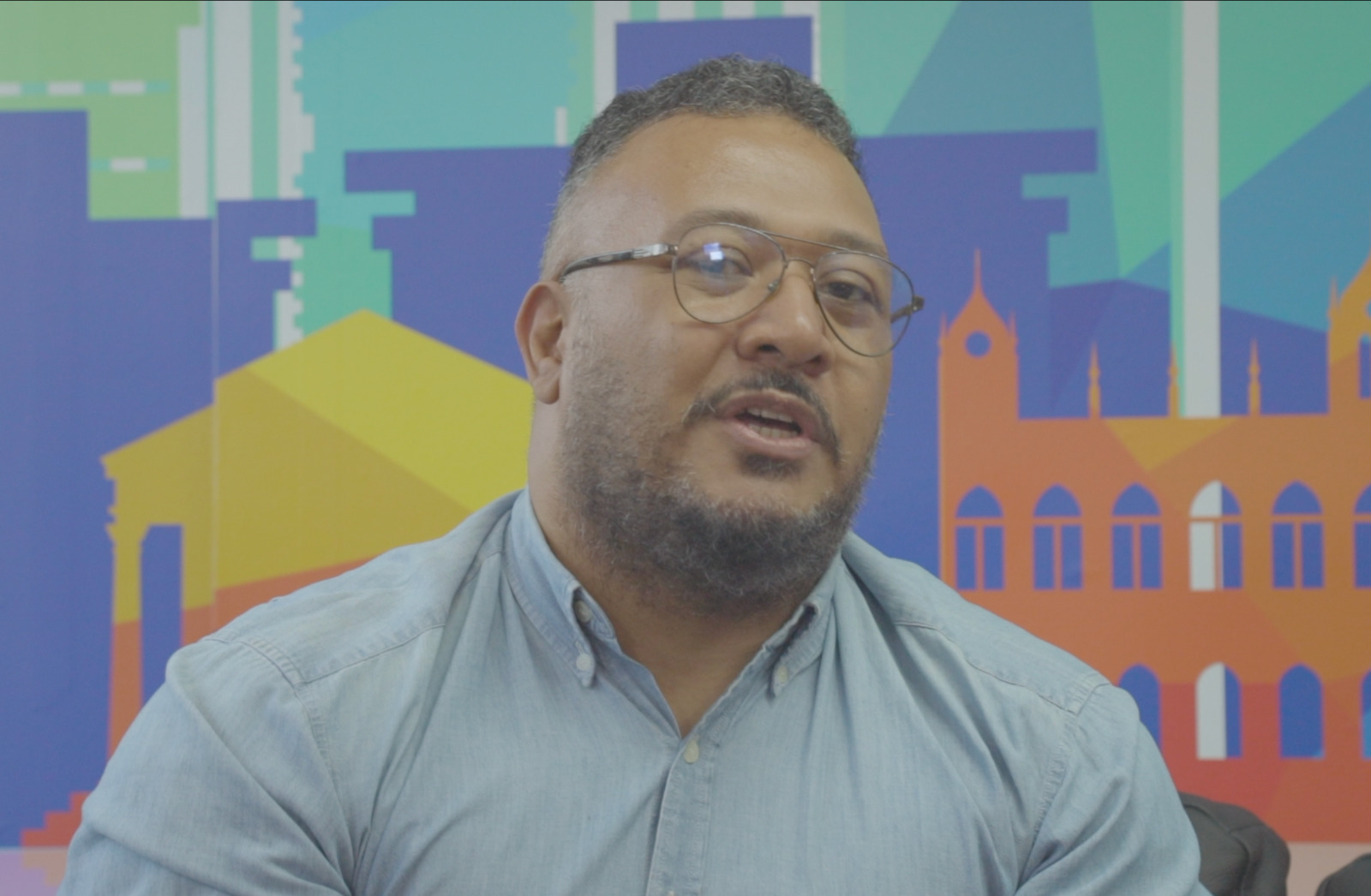
Yahvé Álvarez.- “A lengthy audit and an exhaustive investigation of Venezuela’s debt, of every bond, paper, and ticket, would be necessary in the event of repayment, and that would require at least eight or nine months, which would be ideal to thoroughly examine the debt without harming honest investors while also avoiding excessive payments that could damage the nation,” explained economist Manuel Sutherland, director of the Centro de Investigación y Formación Obrera (CIFO) and professor and researcher at the CENDES-UCV postgraduate program.
The economist stated that “under the country’s current conditions, with an administration that lacks legitimacy of origin and whose time in power remains uncertain, there are no guarantees that such a delicate and complex process could be carried out in the short timeframe they intend, because this requires reviewing the amount of external debt, estimated by the NGO Transparencia Venezuela at around $170 billion.”
“What may happen is that debt restructuring becomes a U.S. demand, but it seems like a mistake to require a government like this one to undertake that process because it lacks the appropriate political and technical personnel,” Sutherland insisted.
He stressed that “those who squandered Venezuela’s resources cannot be entrusted with the authority to review and approve debt payments that they themselves mismanaged.”
He added that “within Delcy Rodríguez’s administration there is no technically qualified personnel with the experience required to negotiate an agreement beneficial to the country.”
Sutherland argued that “until there is a democratic government, external debt should be an issue left to that future administration, because the country is facing what he described as a catastrophic wage emergency, and focusing on paying creditors while a greater social debt exists is neither coherent nor the population’s priority.”
“I support not paying anything yet. Venezuela is experiencing a catastrophic humanitarian and wage emergency. I believe that beginning to pay debt service, no matter how low, would be risky. The country should begin by paying legitimate debt—professional services, industrial obligations, agreements necessary to acquire machinery and equipment, restore infrastructure, and matters related to the enormous social debt that still remains,” he affirmed.
Bondholders of the Republic and of PDVSA are mobilizing in the United States and plan to request from the Office of Foreign Assets Control (OFAC) a license that would allow the renegotiation process to begin, given that License 58 approved by this U.S. Treasury Department agency still does not permit such action.
At the same time, Central Bank president Luis Pérez announced that officials will travel to Washington at the end of this month for a meeting with the International Monetary Fund (IMF), stating that repaying the debt would bring the country out of the “shadows of the global financial system.”
However, Sutherland warned that “there is interest among PDVSA bondholders and creditors of other Republic bonds to begin this process before a change of government takes place, which would place them in a stronger negotiating position.”
In conclusion, he considered that “with these types of stakeholders, a debt reduction or haircut—of around 70% should be negotiated,” while also warning about “the risk of corruption being encouraged among interim officials interested in benefiting those who for a long time lobbied in favor of the ousted Nicolás Maduro and who are now doing so with Delcy Rodríguez.”