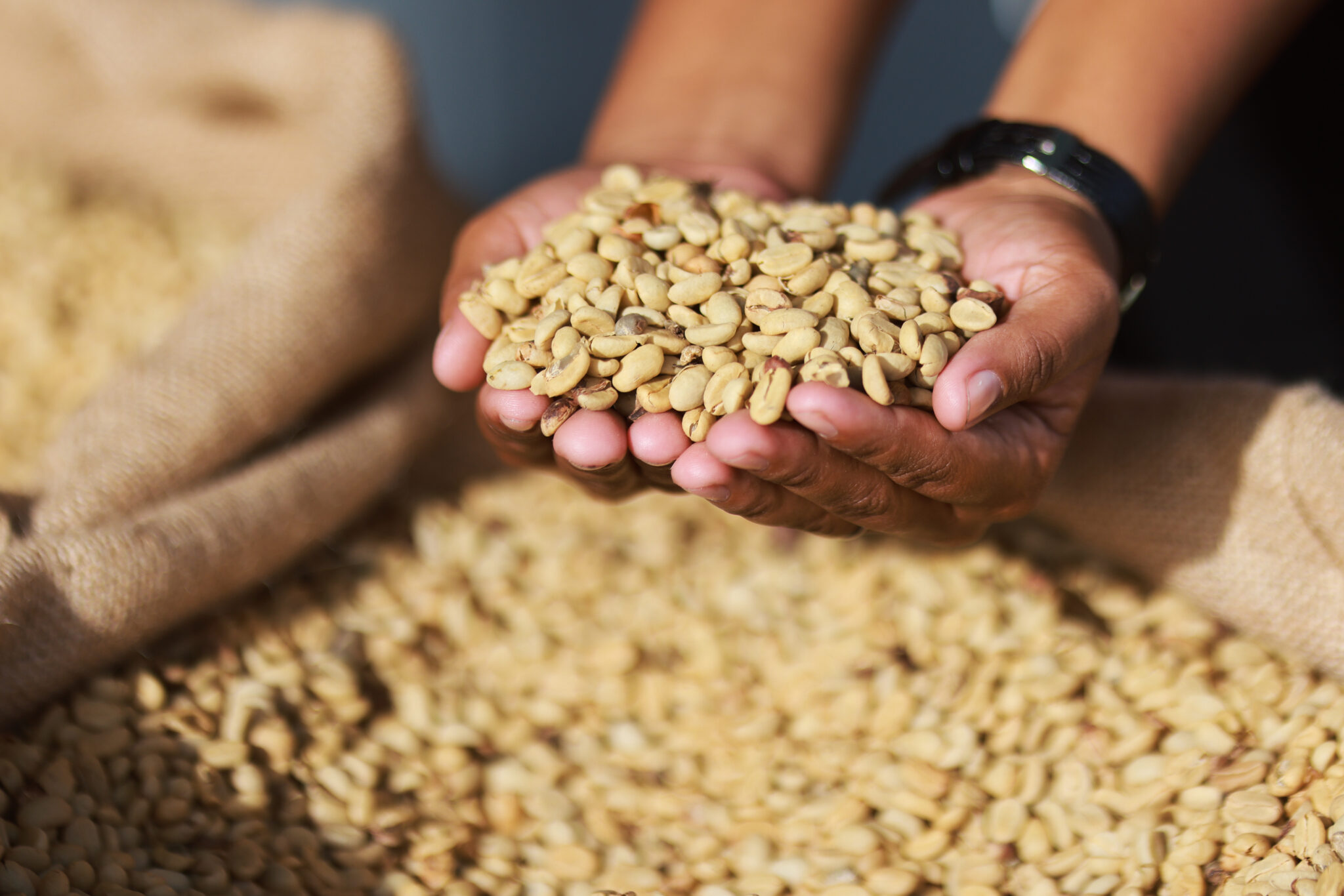
The Daily Journal. — Venezuela recorded a coffee harvest of approximately four million quintals during the 2025–2026 cycle, interim president Delcy Rodríguez announced this weekend, attributing the result to stronger community production organizations and government support for the agricultural sector.
The announcement took place during the First Meeting of the 2026 Communal Coffee Plan, held in Ospino municipality, Portuguesa state, one of the country’s principal coffee-producing regions.
According to official figures, the harvest now covers domestic demand and generates export surpluses at a time when authorities seek to diversify Venezuela’s sources of income beyond the oil sector.
“Coffee ranks among the most important products, and the communal economy already organizes the entire production circuit. The national government has provided support in fuel, seeds, and full technical assistance,” Rodríguez said during the event.
Portuguesa and Lara Lead Production
Authorities indicated that more than 100 socio-productive organizations and around 10,000 producers currently participate in the national coffee chain.
According to the government’s report, Portuguesa and Lara account for 84% of national coffee production, consolidating their position as the sector’s main hubs.
The government stated that coffee production is part of a strategy to strengthen local production models and increase the role of community organizations in agricultural management.
More Than Half of the Harvest Will Go to Export Markets
Of the total harvest gathered during the 2025–2026 cycle, about 1.8 million quintals will supply the domestic market and satisfy national consumption, while approximately 2.1 million quintals will support export programs.
Authorities believe that higher export volumes will expand Venezuela’s coffee presence in international markets and create new sources of foreign currency for the national economy.
Communal Organizations Increase Their Role
During the event, Minister for Communes Ángel Prado reported that grassroots productive organizations currently account for nearly 30% of national coffee production.
According to Prado, the expansion of community infrastructure for processing and roasting coffee beans will allow producers to market finished coffee both domestically and internationally.
Meanwhile, Agriculture Minister Vladimir Padrino López stated that coffee-producing organizations have developed the capacity to manage multiple stages of the production chain, including cultivation, storage, processing, packaging, and commercialization.
Coffee production has emerged as one of Venezuela’s leading non-oil agricultural sectors at a time when the country seeks to increase agro-food exports and diversify its economic structure.
With information from Presidential Press.