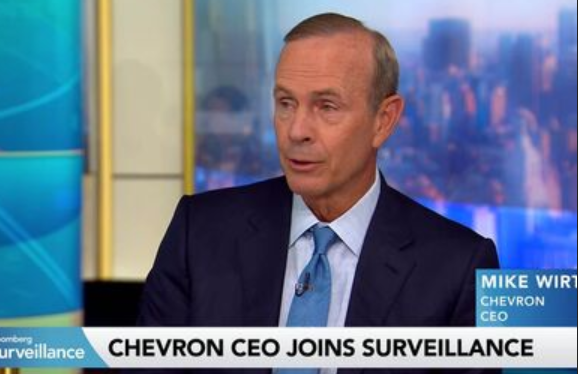
The Daily Journal. — Chevron Corporation CEO Mike Wirth warned that Venezuela needs to urgently reduce corporate taxes and oil production royalties if the country wants to attract fresh investment capital next year.
During an interview with Bloomberg TV, Wirth explained that current fiscal conditions severely limit international operators’ profit margins and weaken Venezuela’s competitiveness relative to other global oil investment destinations.
“We need a new set of fiscal conditions for investing in the country. Right now, the level of taxes and royalties leaves too little room for an investor to earn a return on investment,” the executive said.
Ongoing negotiations with the Venezuelan government
A Bloomberg report shows that Chevron, ExxonMobil, and ConocoPhillips have held direct meetings and working sessions with senior Venezuelan government officials. The companies aim to discuss new operational contracts following recent changes to hydrocarbons legislation.
Wirth confirmed these institutional talks and described ongoing discussions and near-term expectations:
“There are ongoing negotiations, even this week. I expect that in a short period of time we will see some clarity from them [the government] on specific values, on corporate income tax, on a range of royalty aspects, and on how all of this would apply.”
Use of profits and PDVSA debt
The Bloomberg report also explains Chevron’s current operational framework. The company operates under a special license from the U.S. Treasury Department that restricts its financial flows. Under this authorized program, Chevron reinvests only the revenue generated inside Venezuela, mainly to repay historical debt owed by Petróleos de Venezuela S.A. (PDVSA).
Wirth expressed optimism about this debt, estimating during a television interview that PDVSA’s outstanding obligations to the U.S. company will be fully repaid within about one year.
Even though Chevron plans to increase production in Venezuela by 50% over the next two years using local earnings, Wirth insisted that the company will not inject additional capital from its global headquarters until clear rules are in place.
“We do not have enough clarity right now; we do not understand how the fiscal regime would look. Therefore, we are unlikely to deploy capital until those issues become clear,” the CEO said.