The Daily Journal — The Special Commission for the Evaluation and Classification of Public Assets, recently created by Venezuela’s acting president, Delcy Rodríguez, is developing strategies to restructure the nation’s assets. Businessman Luigi Pisella, a member of the commission, revealed that the plan includes returning properties affected by unfinished expropriation processes, opening key sectors such as electricity to private investment, and disposing of unproductive assets through auctions and the stock market.
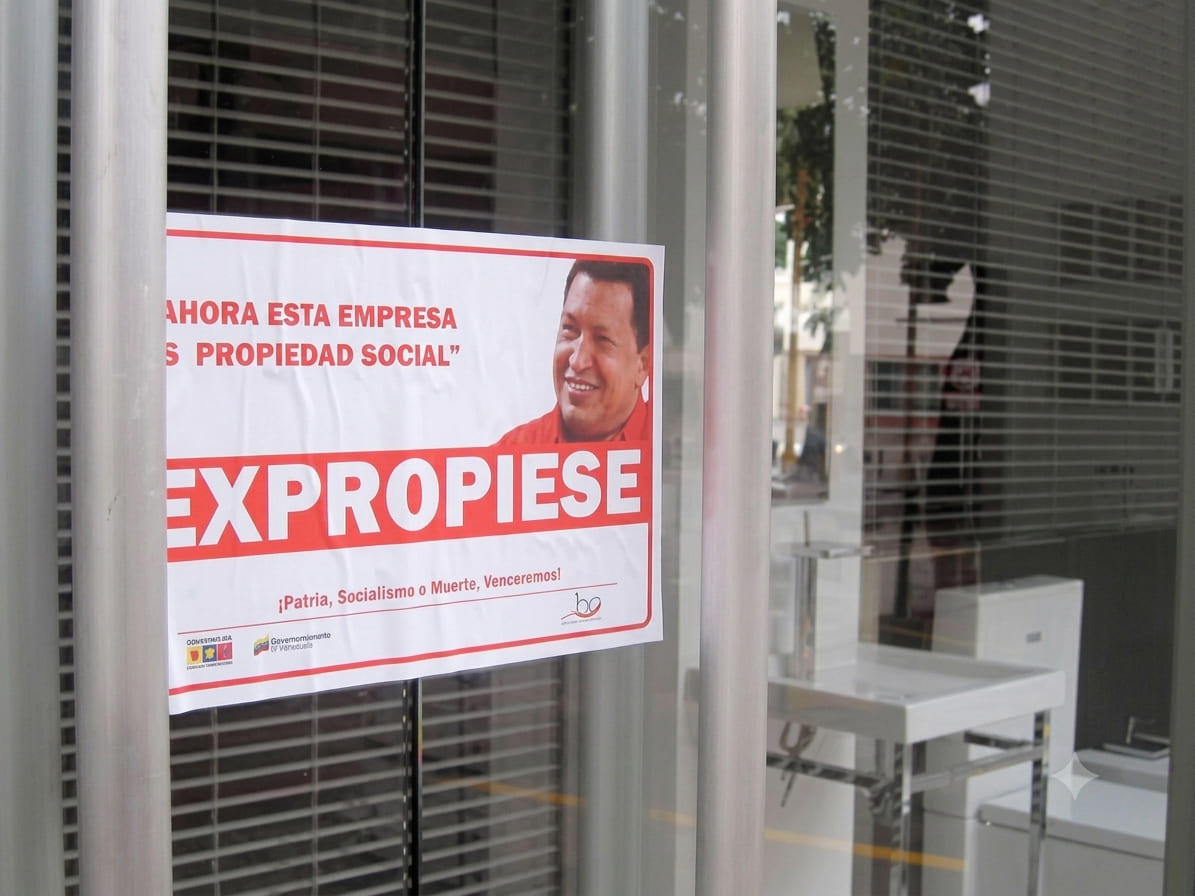
According to the Cedice Libertad observatory, authorities have carried out approximately 1,700 state interventions in Venezuela over the past decades. Rocío Guijarro, the organization’s director, has clarified in interviews that the term “expropriation” does not accurately describe many of these cases. Instead, she prefers terms such as “de facto seizures” or “dispossession,” arguing that “an expropriation always includes compensation and serves a useful national purpose.” In the cases documented by Cedice, authorities removed assets from their owners without generating any public benefit and often relied on nationalizations, state takeovers, and invasions.
First Phase: Classification, Audits, and the Expropriation Dilemma
During an interview on Unión Radio, former Conindustria president Luigi Pisella explained that the presidential commission is currently conducting a comprehensive assessment and classification of assets under public-sector control.
The commission will determine the legal treatment of former expropriations according to the legal status of each case. Pisella outlined the distinction:
“When an expropriation process reaches completion, that asset belongs to the nation. When authorities did not complete the process or did not provide payment, the situation becomes different. We will review all those cases and take appropriate action. For example, if authorities never completed the process, we will return those assets.”
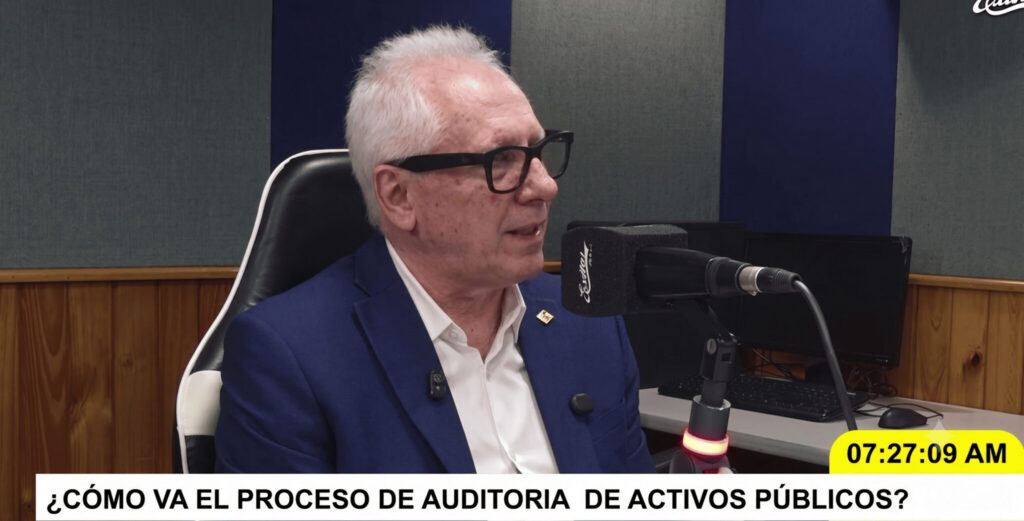
How is the public asset audit process progressing?
Regarding state-owned plants and companies currently under government control, Pisella described a two-track strategy:
“Some assets remain operational, while others do not. We will offer the operational assets to improve production and productivity, particularly in industrial activities. We will liquidate the non-operational assets and direct those resources toward areas where the country needs them most.”
Sales Mechanisms: Auctions and Stock Market Listings
According to Pisella, the commission seeks to reactivate industry by transferring assets to the private sector to “resize the state and correct many of the mistakes of the past.”
The implementation phase will avoid direct or discretionary allocations and instead rely on market-based mechanisms to attract investment. When asked about the sales process, Pisella emphasized that the commission will be fully transparent.
“It will not be a handpicked allocation; everything will take place publicly,” he said.
Pisella explained that some assets “will enter the stock market to democratize capital ownership,” while others “will go to auction, and the highest bidder will obtain the asset.”
He also noted that the commission is evaluating whether it should divest assets simultaneously across economic sectors or gradually, one company at a time.
Although the commission’s internal rules prioritize domestic investment and Venezuelan talent, Pisella revealed that international investors have already shown interest in the commission’s technical discussions.
“I can mention business leaders from the United States, Colombia, Brazil, France, Italy, as well as many Venezuelans,” he said.
Obstacles to Investment
Despite the growing interest, Pisella stressed that major macroeconomic and legal reforms must occur before significant capital flows can materialize. Venezuela’s legislature is currently working on several of those reforms.
The commissioner warned that economic stabilization remains essential to the plan’s success.
“There are several issues, such as the exchange-rate gap, inflation, limited access to credit, and high interest rates.”
Pisella added that the transition toward this new economic model will take time and require extensive legislative debate.
“There are many things we still need to do. We must continue discussing many laws, not only to establish a legal framework but also to build confidence in everything we want to accomplish.”