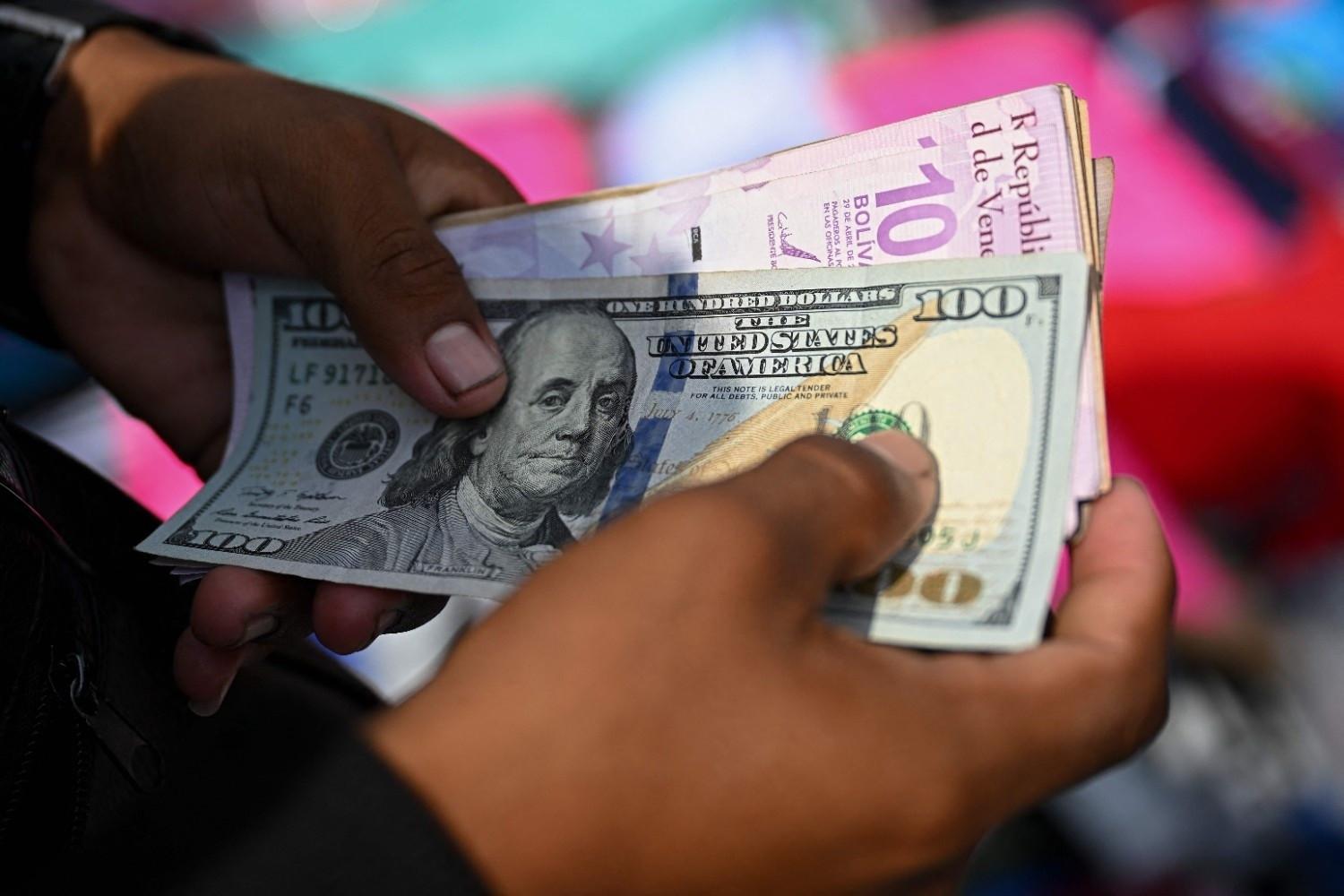
The debate over formal dollarization in Venezuela continues to divide public opinion as the country struggles with exchange-rate instability and the constant erosion of purchasing power. Economist Manuel Sutherland examines the issue critically, weighing the benefits and costs of abandoning the national currency.
Neirlay Andrade

The grassroots demand: Why do labor unions want the dollar?
One of the most revealing developments in Venezuela’s labor landscape is the support that some trade union sectors have shown for adopting the U.S. dollar. According to Sutherland, who works closely with these organizations, workers do not support dollarization for ideological reasons. Instead, they see it as a survival strategy in response to wage collapse.
“They have endured an exchange rate that moves every day, depreciates every day, and loses value every day,”
the economist explains.
Indeed, in Venezuela, the prices of virtually all goods—except wages—are calculated in dollars. As a result, workers see their earnings shrink “weekly or almost daily.”
Faced with this reality, the average worker adopts a pragmatic approach.
“People say, ‘I would rather earn a hard currency, a foreign currency that more or less preserves its value so that I can save, invest, and make plans,’”
the university professor notes.
The Pros: The end of inflation and price stability
The strongest argument in favor of dollarization lies in its ability to eliminate runaway inflation. Sutherland highlights what he sees as the policy’s most immediate benefit:
“Many people consider the greatest advantage to be price stability. When you dollarize, you effectively finish off inflation. Within a few months, inflation tends to match—or come close to—the inflation rate in the United States, and the inflationary inertia of your own currency disappears.”
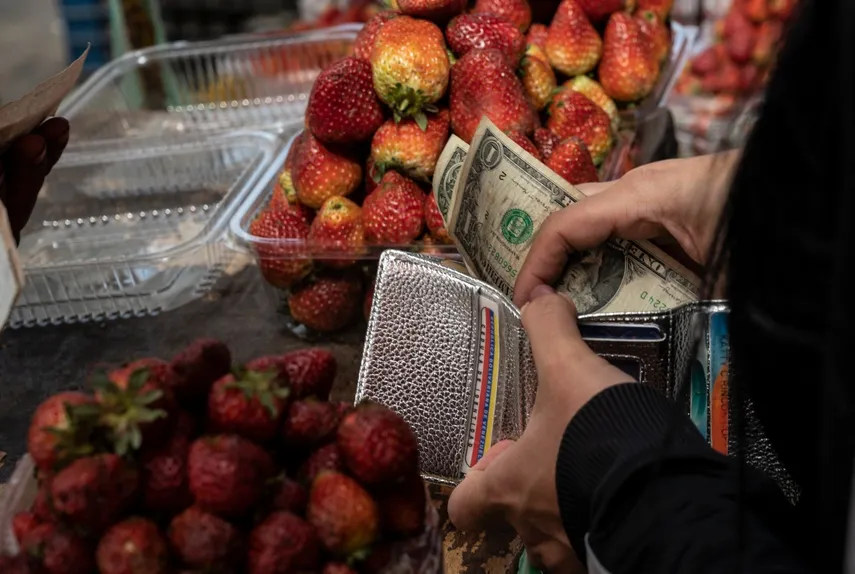
The economist notes that several countries in the region have already demonstrated this effect.
“That happened in Ecuador, Panama, and El Salvador, and it is extremely important.”
In practical terms, Sutherland argues that
“having low inflation allows people to plan more effectively, save, manage their budgets better, and, in some way, protect their purchasing power.”
The Cons: A straitjacket and loss of competitiveness
Despite the clear benefits in terms of prices, this remedy for inflation comes at a high cost to a country’s economic sovereignty. The first major drawback is the complete loss of traditional monetary policy tools.
“You completely lose the ability to conduct exchange-rate policy. You cannot depreciate the currency, devalue it, strengthen it, or adjust it in any way,” Sutherland warns.
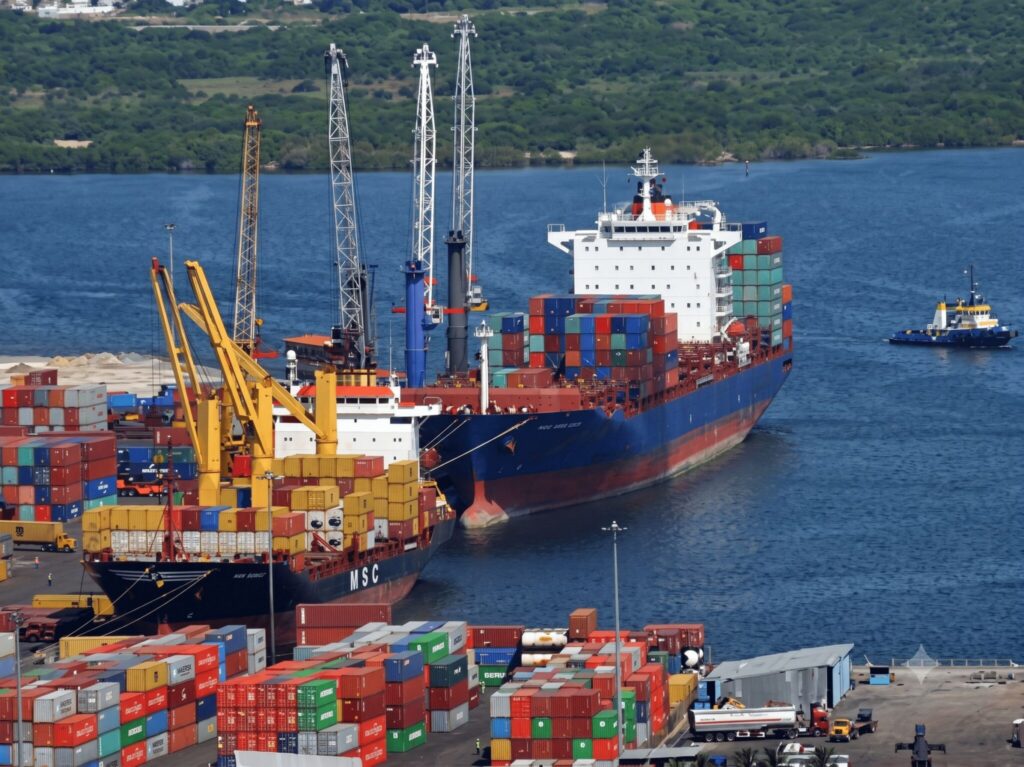
This rigidity can place a country at a disadvantage compared with regional competitors.
“If countries such as Colombia or Peru depreciate their exchange rates, they gain a competitive advantage over you when exporting non-oil products and other non-traditional exports.”
Sutherland also points to a structural dilemma that affects domestic production and frequently concerns industrial associations.
“The second issue, according to many business owners, is that dollarization tends to push wages upward somewhat faster than productivity, making companies less competitive internationally.”
The business of rent-seeking and “dollar inflation”
The researcher extends his analysis to the historical distortions in Venezuela’s economic model, in which parts of both the private and public sectors have long depended on state privileges.
“A third issue, in Venezuela’s case, is that for many years a business elite has lived off access to cheap dollars. That is one of the classic expressions of rent-seeking,” he explains.
Sutherland recalls that “oil revenue tends to overvalue the exchange rate and keep the dollar artificially cheap.”
This distortion encourages the emergence of harmful market behaviors.
“It creates rent-seekers, elite groups that try to buy cheap dollars, sell them at higher prices, and profit from exchange-rate arbitrage.”
The economist illustrates the practice with current exchange-rate gaps:
“For example, buying at 515 and selling at 620 or 670 and profiting from that spread. Some people have become multimillionaires that way—businesspeople and government officials alike. As a result, there is a strong interest in keeping that gap alive.”
Sutherland concludes that this dynamic artificially increases the cost of living.
“That gap is entirely harmful to the economy and turns Venezuela into an expensive country. As the gap widens, business owners tend to cover it by raising prices in foreign currency.”
The analyst offers the example of a fast-food franchise:
“You go to McDonald’s and pay $9, $10, or $11 for a hamburger, while in a country similar to Venezuela it costs $2, $3, or $4. That is what we call dollar inflation.”
Dollarization offers a genuine promise of exchange-rate stability for ordinary citizens, but it also leaves the country without key economic policy tools to respond to international market conditions. Before making an irreversible decision, Sutherland concludes,
“we must understand both the advantages and the disadvantages and examine the issue with the breadth it requires.”