Óscar Reyes Matute— Is there a signed peace agreement—or one pending signature—between Iran and the United States? No.
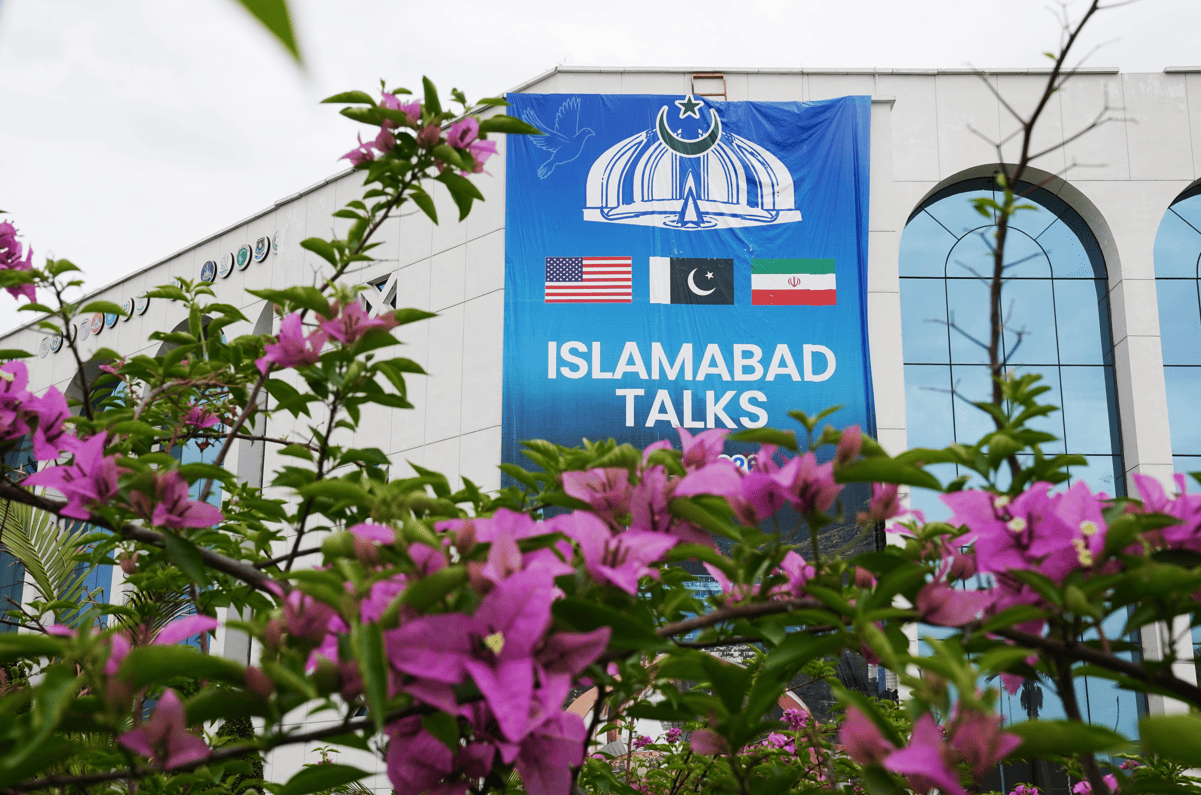
Iran terms it a “memorandum of understanding,” which is slated to be signed on Friday the 19th, if it is signed at all. Only subsequent to that would formal peace “negotiations” commence, subject to a 60-day window.
However, to even arrive at those negotiations, Iran “demands” the following:
1. Financial restitution: specifically, the release of 12 billion dollars in frozen Iranian financial assets.
2. Retention of assets: they will not surrender their enriched uranium.
3. Israeli restraint: Israel must commit to refraining from retaliation should Hezbollah and the Houthis launch attacks against them. (?)
4. Maritime access: Iran would reopen the Strait of Hormuz.
These demands have been championed by the Iranian authorities as a definitive triumph—claiming to have brought the “Great Satan” to its knees. Let it be clear that this is by no means an irony of the author: it is the official rhetoric of the Iranian government disseminated across its social media networks.
Is this what the United States has committed itself to? No.
The disparity between the Iranian narrative and Trump’s rhetoric is vast. This is particularly magnified because neither party has published the official text of the memorandum—or agreement, as one might prefer to call it—offering instead only sparse and bombastic statements via social media.
To begin with, Trump does not refer to it as a “memorandum of understanding,” but rather as a “peace agreement” spanning 60 days, aimed at the immediate reopening of the Strait of Hormuz.
What remains unknown is whether Trump’s agreement includes restraining Netanyahu’s government from responding in the event of attacks directed against its citizens.
By all diplomatic and political logic, any accord signed by the United States is not binding upon Israel. Netanyahu articulated this clearly yesterday in his public address: “Trump and I have known each other for many years; we are even friends. But he is the President of the United States, and I am the Prime Minister of Israel. Whatever he deems necessary for the security of the United States is an internal matter for Washington. However, as the Prime Minister of Israel, I shall dictate Israel’s policy. And rest assured, we will respond with full force if Hezbollah, Hamas, Iran, or the Houthis attack us.”
Has Trump betrayed Netanyahu? Are both leaders in alignment behind closed doors? What does each party stand to gain, and what do they stand to lose?
For the moment, we have exhausted the character limit for today’s column—but we shall continue in the next installment.