The Daily Journal. — The Venezuelan Chamber of Construction (CVC) has proposed creating an independent mechanism to oversee the use of international funds allocated for Venezuela’s reconstruction following the June 24 earthquakes. The organization also called for a series of regulatory and tax reforms to revive private investment in the construction sector.
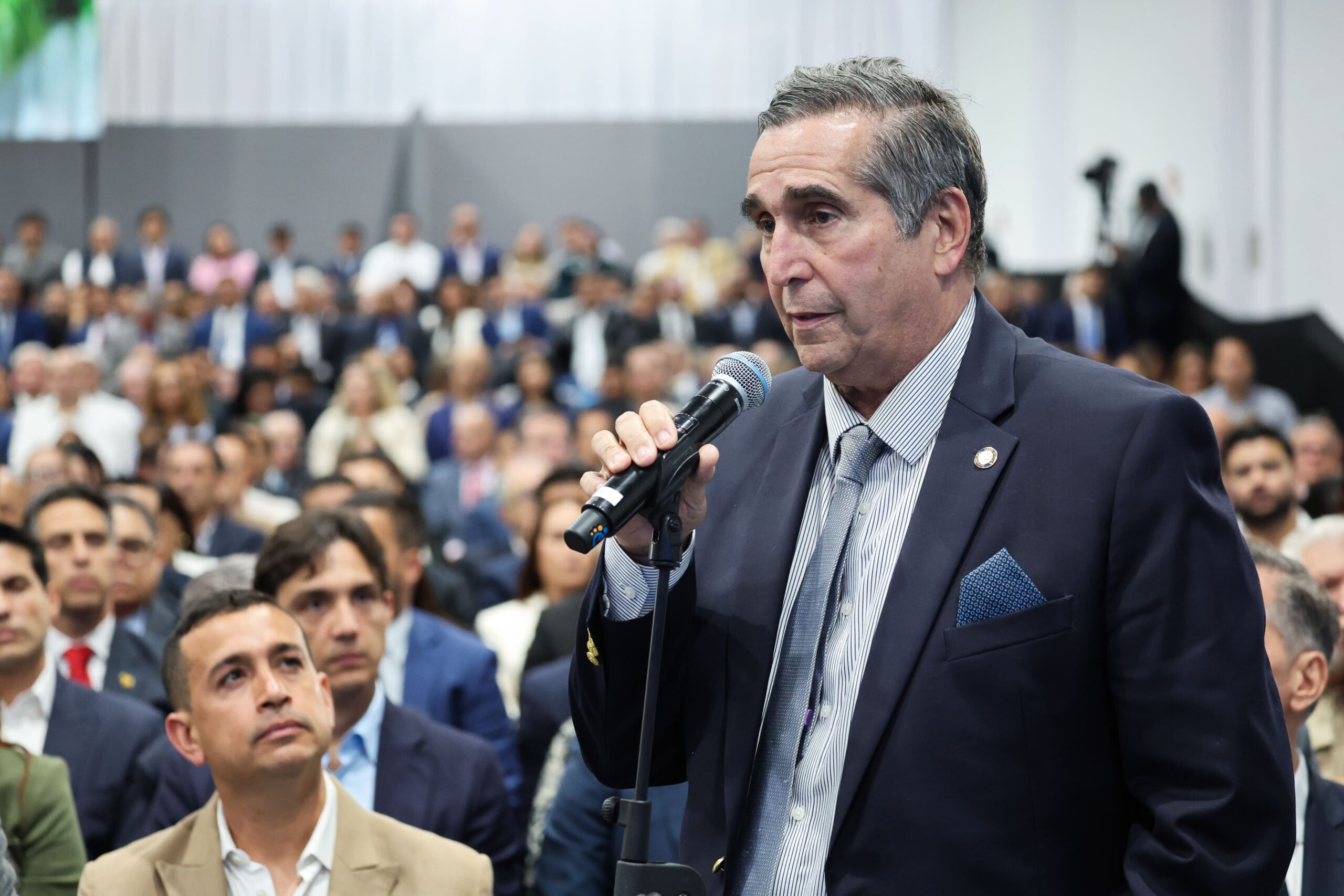
During a press conference, CVC President Gustavo García proposed creating an Autonomous Financial Oversight Committee composed of representatives from the public and private sectors, universities, and academic institutions. The committee would ensure transparency in the management of resources from multilateral organizations, international cooperation programs, and recovered assets.
“We strongly support the Executive Branch’s efforts to secure access to Venezuelan funds blocked at multilateral institutions, including the International Monetary Fund, to mobilize financial resources from national funds, multilateral financing, international assistance, and recovered assets, while strengthening integrity, oversight, and accountability mechanisms for public works,” García said.
García explained that the committee would oversee contract awards based on technical criteria and public-private partnerships.
“Its role will consist of supervising the allocation of projects through agile, competitive processes based on technical criteria, assigning them to qualified national companies and professionals under public-private partnership arrangements,” he added.
Proposals to accelerate reconstruction
The chamber also proposed creating a national inventory of unfinished public buildings and incorporating those structures into the housing program for families affected by the earthquakes.
“The Venezuelan Chamber of Construction proposes a public-private partnership model under which private builders would take responsibility for the engineering, structural reinforcement, and completion of these buildings,” García said.
The organization also proposed delivering the government’s 80% housing subsidy through a digital certificate that developers could redeem directly.
“This mechanism stimulates pre-sales and accelerates the operational cash flow needed to launch new developments,” García said.
Among its economic proposals, the CVC called for a temporary reduction of reserve requirements to expand mortgage lending, an 18-month VAT exemption on construction materials, and zero import tariffs on specialized machinery and equipment.
Legal reforms to revive the sector
The chamber also urged the government to amend the country’s real estate regulatory framework to encourage domestic and foreign investment.
García called for repealing or reforming the Law Against Real Estate Fraud, arguing that it limits project financing through pre-sales.
“The country urgently needs to repeal or amend this law to reactivate housing construction,” he said, adding that Venezuela should replace it “with a modern legal framework that protects buyers’ funds without criminalizing developers or disrupting their cash flow.”
The organization also proposed removing restrictions on the use of foreign currency in mortgage transactions and easing rental legislation.
“We need to achieve a proper balance between landlords and tenants. These measures will encourage domestic and international investment in residential buildings intended for families affected by the earthquakes,” García added.
International financing
CVC First Vice President Rafael Torrealba said resources from multilateral organizations, including CAF – Development Bank of Latin America and the Caribbean, could address the country’s immediate reconstruction needs. However, he warned that long-term recovery will require structural economic reforms.
“CAF’s trust fund plays a key role,” Torrealba said. “The country will need a much more sustained investment framework that requires aligning several structural elements of our economy.”
Torrealba also noted that Venezuela had already begun auditing and preparing to restructure its external debt before the earthquakes, describing that effort as essential for expanding access to international financing.
Former CVC President Francisco Pimentel said the domestic financial system lacks the capacity to meet the funding needs of the reconstruction effort.
“The Venezuelan banking system cannot do this on its own. We need a much larger plan… We certainly require international financial assistance,” he said.