Few governments can realistically prepare for a seismic event as devastating as the twin earthquakes that struck on June 24. Still, the country’s rescue teams and firefighters lacked the equipment they needed to respond during the critical first hours after the disaster.
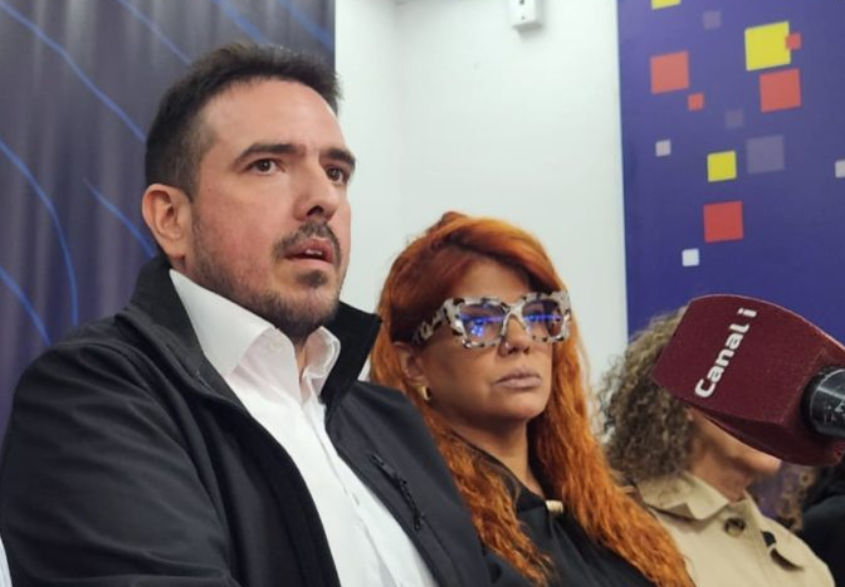
That is the assessment of Stalin González, a member of the National Assembly, who has closely followed the aftermath of the earthquakes. He argues that the disaster exposed the lack of credibility of those leading state institutions because, in his view, “their response was clearly delayed.”
“I went down to La Guaira in the first hours after the earthquake, and it was obvious that our firefighters and Civil Protection personnel were fully committed to helping, but they simply did not have the necessary tools. Our teams were not equipped for a disaster of this scale because a shovel and a pickaxe cannot be the only tools available,” González said.
He added that the magnitude of the disaster required “the use of heavy machinery, which people there are still requesting today—more than 20 days later—to clear the rubble.”
“The State’s response was clearly delayed. I went to La Guaira, and it wasn’t until Friday, after the earthquake, that government personnel began arriving in significant numbers,” said the lawmaker from the Libertad parliamentary group.
González reiterated that it was unlikely anyone could have anticipated “a natural event of that magnitude.” Still, he stressed that “the earthquake caught us with rescue teams, firefighters, and Civil Protection personnel who were very poorly equipped.”
In his view, that reality reflects the country’s institutional crisis.
Despite the delayed official response, González highlighted what he described as the extraordinary solidarity shown by ordinary citizens.
“People, especially those of us from Caracas, went down spontaneously to help. People rode motorcycles, drove their own cars—whatever they had—to lend a hand. Rescue workers, firefighters, police officers—everyone pitched in. Those who couldn’t travel organized collection centers, and large donation hubs sprang up across Caracas, with citizens, universities, mayor’s offices, and people from all over the country contributing,” the congressman said.
Reflecting on that response, González explained that “in the National Assembly, we made an effort to ensure that the resolution recognized the actions of the Venezuelan State—not of any particular institution, because in the end we are all part of the State. That includes the mayors of the metropolitan areas who adapted to the emergency, the National Government, the National Assembly, and several state governments. We are all part of the State, as are the universities, and that is why we worked to secure a unanimous resolution.”