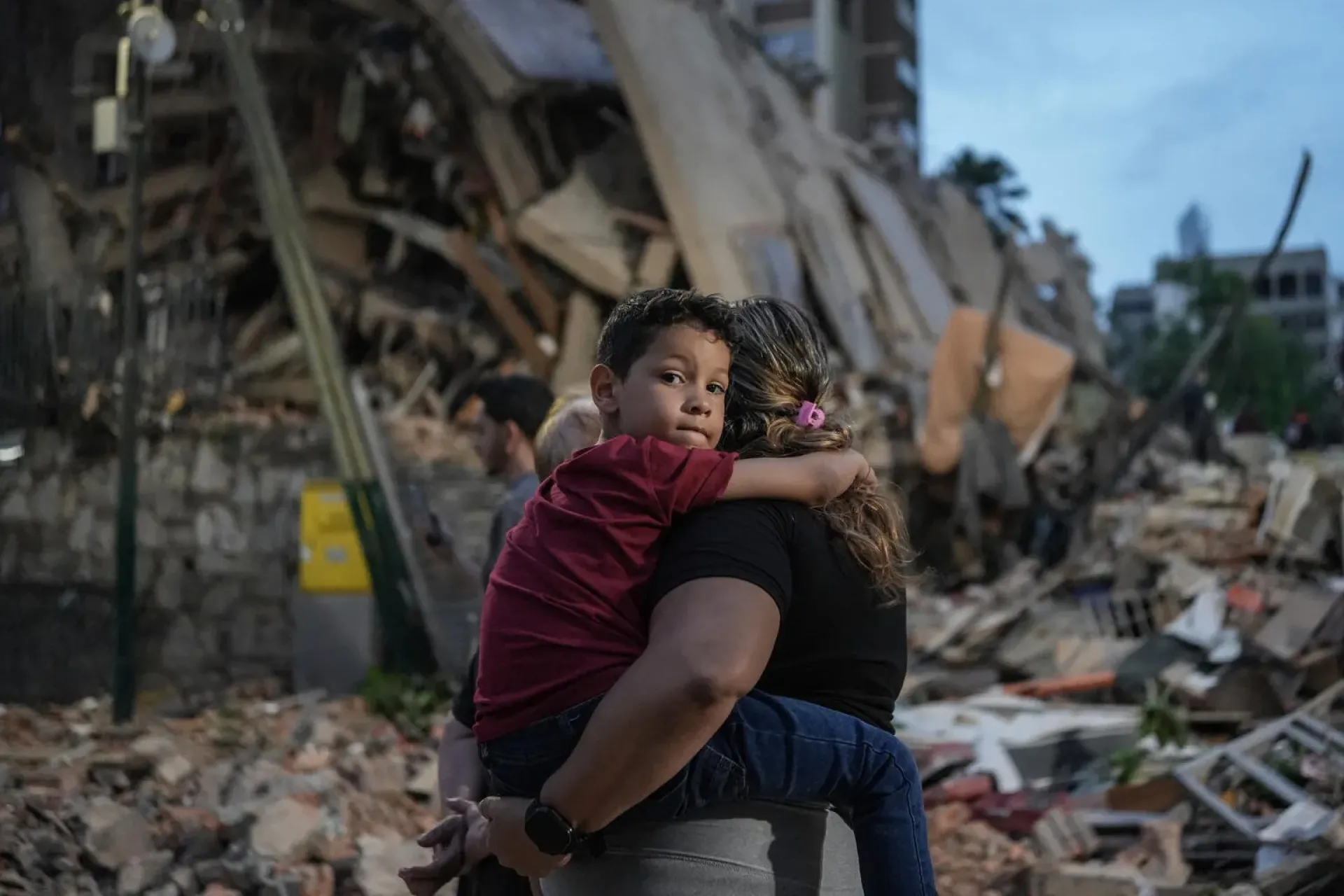
The Daily Journal — UNICEF announced on Thursday that it will require $65.7 million over the coming months to respond to the humanitarian impact of Venezuela’s twin earthquakes. The June 24 disaster has claimed at least 5,398 lives, injured 16,740 people, and displaced 17,907, according to official figures.
Target population and risks facing children
In a statement, the UN agency said it is working to assist approximately 470,000 people, including 169,000 children. Its response covers healthcare, nutrition, safe drinking water, sanitation, education, and child protection.
The agency also called for sustained support to ensure children continue receiving essential services. It warned that children and adolescents face greater risks of psychological distress, violence, exploitation, and family separation.
UNICEF Representative in Venezuela Manuel Rodríguez Pumarol said displacement and uncertainty leave deep emotional scars on children that extend far beyond the visible physical destruction.
Distribution of relief supplies and medical assistance
So far, UNICEF has delivered more than 82 metric tons of emergency supplies. The shipments include medical kits, water purification equipment, and early childhood recreation materials.
Working alongside local authorities, UNICEF supported mobile medical teams that vaccinated and treated more than 21,000 people. The agency also delivered essential medicines to 198 health centers, providing initial coverage for 49,000 patients.
In addition, healthcare workers screened more than 5,000 people for malnutrition, distributed nutritional supplements, and provided breastfeeding counseling.
Assessing the disaster and its economic cost
The twin earthquakes rank as the deadliest seismic disaster to strike Venezuela in more than a century.
The World Bank estimated direct material damage at $19.6 billion on Thursday. The institution also warned that a slow reconstruction process could stall Venezuela’s economic development over the next decade.