EFE. — Texas has become the leading destination for Venezuelan crude oil entering the U.S. market, receiving 43% of total imports thanks to a refining infrastructure built over decades to process heavy crude grades such as those produced in Venezuela.
According to S&P Global Commodity Insights data for June, Texas received 43% of the Venezuelan crude shipped to the United States. Louisiana followed with 39%, Mississippi with 14%, and Delaware with 4%, Debnil Chowdhury, Vice President and Head of Fuels and Refining for the Americas and Europe at the firm, told EFE on Wednesday.
Data from the U.S. Energy Information Administration (EIA) show that the United States imported 3.9 million barrels of Venezuelan crude in January and 4.8 million barrels in February. Imports climbed to 9.8 million barrels in March, reached 10.8 million in April, and peaked at 18.8 million barrels in May.
Purchases totaled 16.1 million barrels in June. By the week ending July 17, imports had already reached 12.9 million barrels.
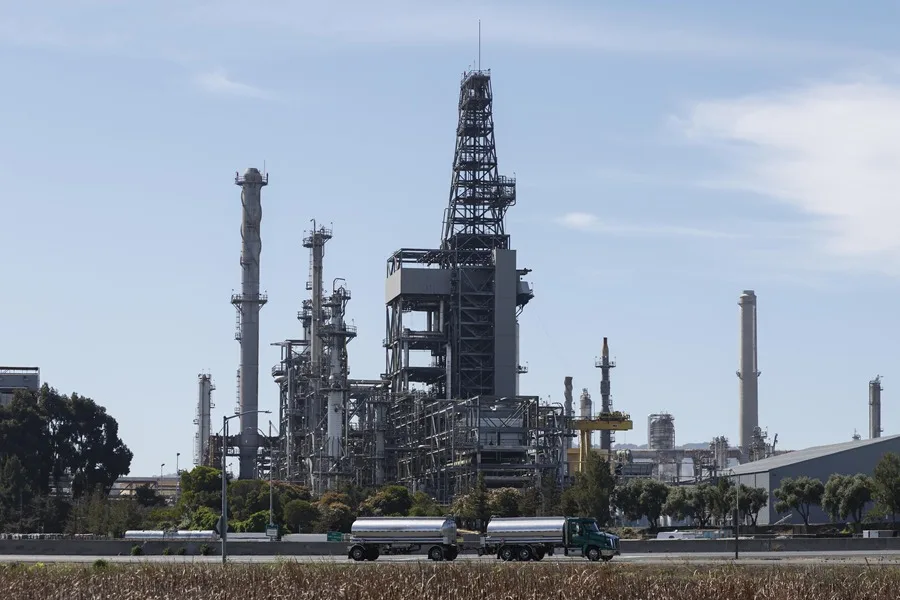
Texas owes its leading position primarily to its refinery network, which industry operators adapted over several decades to process heavy crude from Venezuela, Mexico, and Canada.
Between 1990 and 2010, the U.S. refining industry invested about $100 billion to modernize plants along the Gulf Coast. Those upgrades included coking units designed to convert heavy crude into higher-value fuels.
Texas has a total refining capacity of 6.13 million barrels per day, and roughly 3.6 million barrels per day—nearly 60% of that capacity—can process Venezuelan crude because of this infrastructure, Chowdhury said.
“Texas has the largest concentration of refineries capable of handling this type of crude,” the analyst said, adding that this installed capacity makes the state the primary beneficiary of Venezuelan oil shipments to the U.S. market.
The main companies currently receiving Venezuelan crude along the Gulf Coast include Citgo, Valero, Marathon Petroleum, and Phillips 66. In Mississippi, Chevron’s Pascagoula refinery stands out, while PBF Energy operates the main receiving facility in Delaware.
Chowdhury also said Venezuela has overtaken Mexico as the leading Latin American crude supplier for refineries in Texas and Louisiana.
While the United States currently imports between 220,000 and 250,000 barrels per day from Mexico, purchases from Venezuela range between 500,000 and 700,000 barrels per day, depending on the week.
The analyst emphasized that the return of Venezuelan crude has given U.S. refineries greater flexibility to operate with the type of oil they were originally built to process. That advantage supports diesel and gasoline production, especially amid a global diesel shortage.
However, he warned that Venezuela’s production capacity remains the main obstacle to further export growth.
Although U.S. refineries could process larger volumes, Venezuela will need significant investment and several years of development to restore its historical production levels.