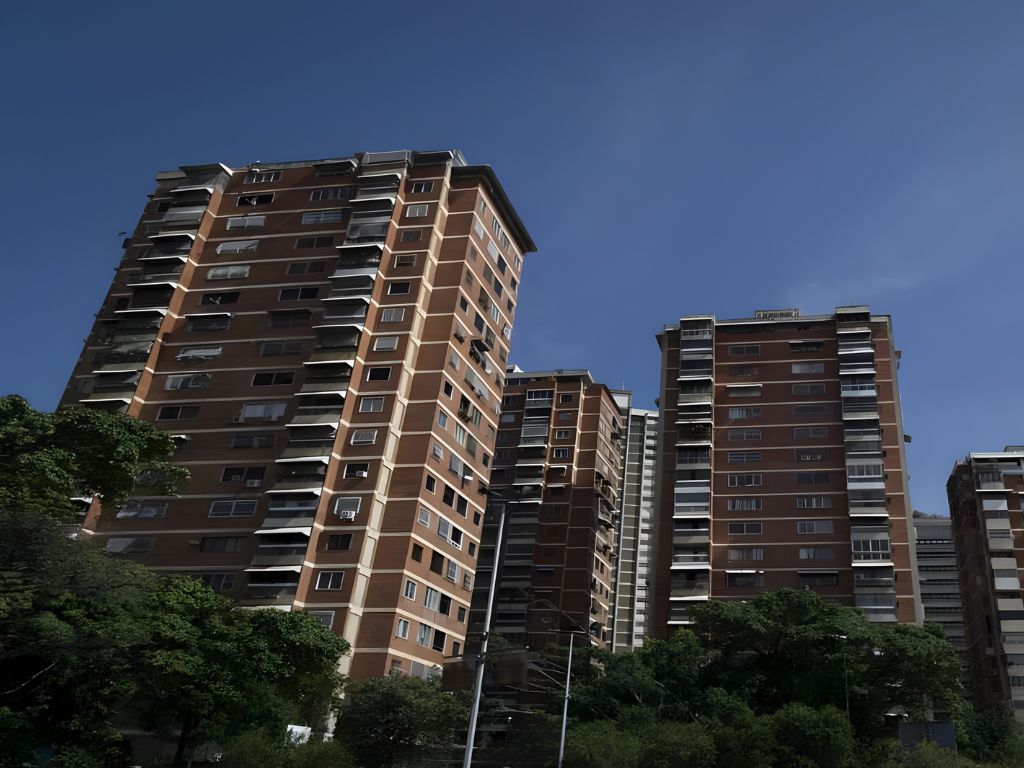
The Daily Journal.- Following the June 24 seismic event, concerns over housing safety, the future of construction projects, and protections for tenants and property owners have moved to the center of the legislative debate. Amid speculation about potential land seizures in high-risk areas or expedited evictions, lawmaker Alejandra Rodríguez, second vice president of the Special Commission overseeing the Draft Law on the Special Regime for Property Rentals and a member of the Joint Commission, outlined the position of the Libertad Parliamentary Group.
When asked about safeguards against potential expropriations in areas declared at risk or protections for pre-sale funds amid economic volatility, Rodríguez opted for institutional caution. “It would be irresponsible for me to attribute provisions to the bill that it does not yet contain or to anticipate the contents of a text that the Joint Commission has not yet approved,” Rodríguez said.
However, the lawmaker acknowledged the impact that the outgoing legal framework has had on urban development in the country. “The Law Against Real Estate Fraud, as originally conceived, effectively brought much of the construction industry to a halt. While we must recognize that fraud occurred and that authorities had and still have a duty to penalize it, we must also acknowledge that the legislation created an effect that hindered investment and the sector’s development.”
Rodríguez explained that the Libertad Parliamentary Group’s proposal seeks to balance fraud prevention with economic stimulus: “We seek to strengthen mechanisms to prevent real estate fraud, provide citizens with greater legal certainty, restore confidence among buyers and investors, reactivate the real estate market, and establish a legal framework that encourages bank financing, participation from insurance companies, and investment from developers to boost housing construction once again and address housing demand.”
Existing rental agreements: retroactivity and freedom of contract
One of the main concerns among the public involves the thousands of families who currently live in homes under verbal agreements or informal contracts. Amid fears that the new legislation could prompt landlords to pursue preventive evictions, Rodríguez firmly rejected that interpretation.
“Existing rental relationships, in which the tenant already occupies the property, fall outside the scope of the new Law on the Special Regime for Property Rentals, pursuant to Article 2, Paragraph 1,” she clarified. Therefore, SUNAVI will continue to handle existing administrative proceedings under the rules that governed them from the outset, while courts will apply those same rules to ongoing judicial proceedings.
Rodríguez stressed that the new legislation seeks to ensure full respect for freedom of contract. “If the landlord and tenant mutually agree to bring their relationship under the new regulations, nothing prevents them from doing so. What the law does not allow is for either party to impose that change unilaterally.” She added that while a property owner may choose not to renew a contract, any action must follow due process and the legislation governing that pre-existing relationship. In her view, voluntarily transitioning to the new law benefits both parties because it allows them to “establish clear, mutually agreed-upon rules and reduce administrative intervention,” as Article 25 of the bill provides.
Arbitration mechanisms and grounds for eviction
Regarding arbitration and concerns that landlords could use it to secure immediate evictions when tenants lose their jobs or experience a decline in income, Rodríguez rejected the notion that the bill creates “express” procedures.
“The arbitration mechanism contemplated in the law should not serve as a mechanism for immediate eviction. Article 25 does not establish ‘fast-track arbitration’; instead, it expands the alternatives available for resolving disputes,” Rodríguez said. These alternatives include conciliation, mediation, arbitration centers, and summary proceedings before municipal courts, allowing the parties to choose in their contract which mechanism they wish to use.
Regarding delays in rental payments, Rodríguez explained that the bill clearly defines the grounds for early termination. “Paragraph 1 of Article 23 establishes that the landlord may seek termination of the contract when the tenant delays or fails to make payments for three consecutive periods.” In such cases, the parties must follow the mechanism they formally agreed upon while fully respecting constitutional rights, she concluded.