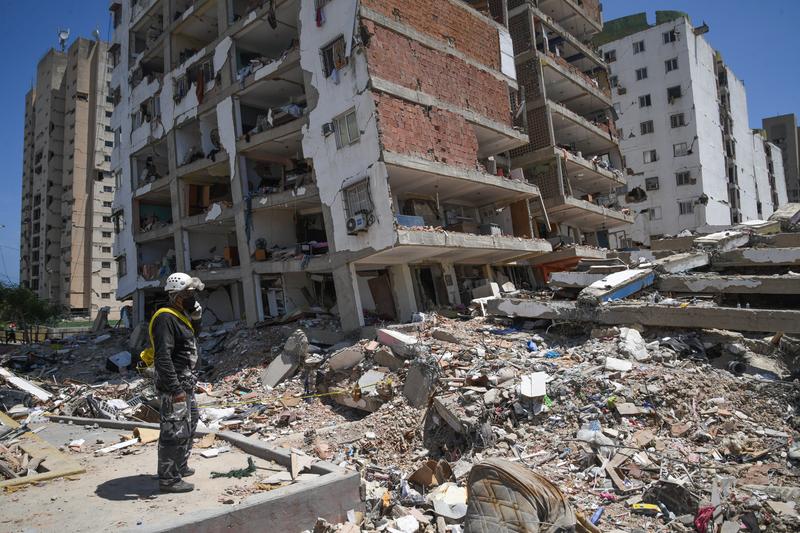
The Daily Journal.- The two earthquakes that struck on June 24 caused an estimated $6.7 billion in direct damage, according to the United Nations Development Program (UNDP), which warns that the main economic indicators do not fully capture the scale of the losses to assets and property.
The estimate appears in the report Venezuela’s Macroeconomic Performance: First Half of 2026.
The agency also notes that the earthquakes caused loss of life, displaced residents, destroyed homes and significantly damaged basic services, particularly in La Guaira state.
“According to preliminary UNDP estimates, the direct damage caused by the event stands at around $6.7 billion,” the report states.
Despite the scale of the losses, the agency estimates that the immediate impact on economic growth will remain more limited. The baseline scenario calculates that the disaster will reduce projected growth for 2026 by approximately 0.5 percentage points, although the forecast for Venezuela’s economic expansion remains at around 6.5% by year-end.
The UNDP explains that the gap between the scale of the damage and its effect on GDP stems from the way this indicator measures the value of production generated during a given period, but not the value of assets and property that a disaster destroys.
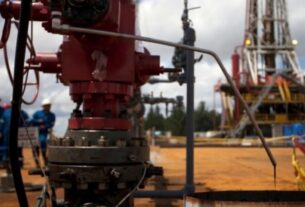
In addition, the earthquakes struck at the end of the first half of the year, meaning that much of their economic impact will become more evident during the second half. The agency also notes that strategic infrastructure linked to oil activity apparently sustained no significant damage.
Reconstruction could cushion the impact
The UNDP believes that recovery efforts could stimulate sectors such as construction, manufacturing and some services. However, it warns that this effect will depend on the Venezuelan economy’s capacity to meet the demand that reconstruction generates.
“For the demand generated by reconstruction to effectively translate into greater domestic production of goods and services, Venezuela’s private sector must play a central role in the process,” the report states.
The agency warns that if reconstruction relies mainly on imported goods and services, a significant share of the spending could flow out of the domestic economy and limit its impact on GDP, employment and Venezuelan businesses.
The effects of this investment could become more pronounced in 2027, since the 2026 forecast does not fully incorporate the demand associated with reconstruction projects.
The UNDP also recommends applying the “build back better” principle so that recovery efforts go beyond replacing destroyed assets and instead improve the safety, quality and resilience of housing, infrastructure and public services.
The report argues that the participation of domestic companies, local suppliers and workers from affected communities could turn reconstruction into a source of employment while strengthening domestic productive capacity.