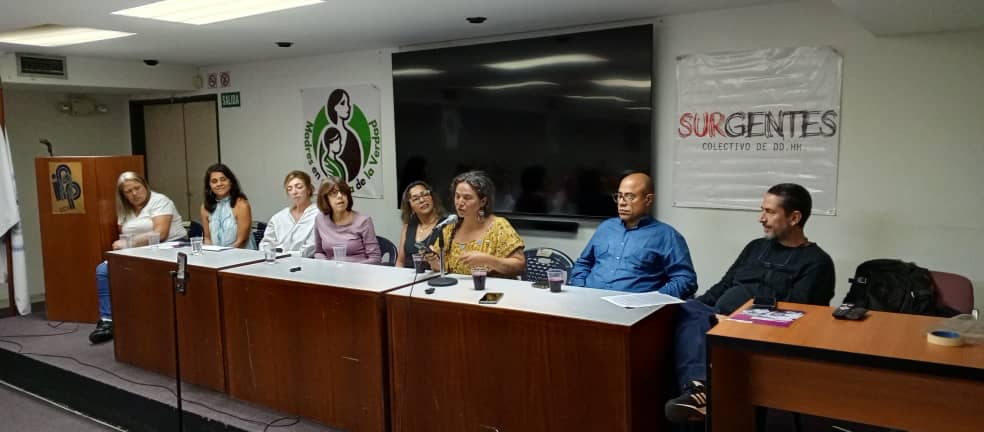
The Daily Journal.- Human rights activist Martha Lia Grajales, coordinator of the Committee of Mothers in Defense of the Truth, maintains that “today is the time to make the real defense of our human rights possible.”
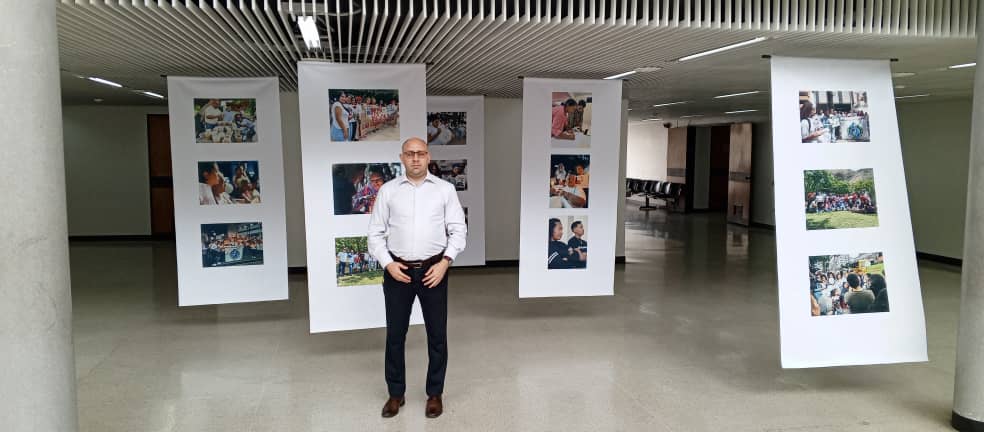
She made the statement during the presentation of the book No siempre pierden las de abajo: Crónicas de la represión postelectoral en Venezuela (2024-2025) (Those at the Bottom Don’t Always Lose: Chronicles of Post-Election Repression in Venezuela (2024-2025)).
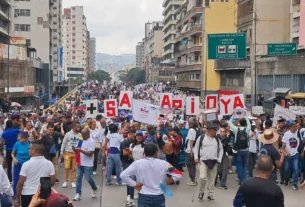
“Today we are launching a book of chronicles about repression in Venezuela following the post-election demonstrations. This new book brings together nine chronicles that, through the voices of young people, mothers, and human rights defenders, tell what the repression was like after the demonstrations in Venezuela. At this moment, the committee continues working in defense of six young men who are unjustly deprived of their freedom, three from Falcón state and three from Zulia,” the social activist said.
“Today, more than 500 political prisoners remain deprived of their freedom in our country,” she stressed.
Based on this reality, she argued that “we are also demanding justice for these 500 people deprived of their freedom, and this is an effort to build memory at the national level.”
“We are raising our voices so that the truth may come to light, so that we may know what happened, so that we may know who gave the orders to arrest these young Venezuelans,” she demanded.
She also stated: “We demand justice for all our political prisoners, investigations and sanctions against those responsible for the illegal arrests, and possible reparations for their families, so that the harm caused to all these young people after 18 months of unjust imprisonment can be mitigated, as well as guarantees of non-repetition.”
“We hope these events never happen again, and that thinking differently in Venezuela does not constitute grounds for criminalization,” she concluded.
Provea’s testimony
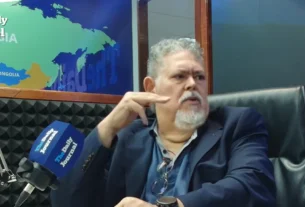
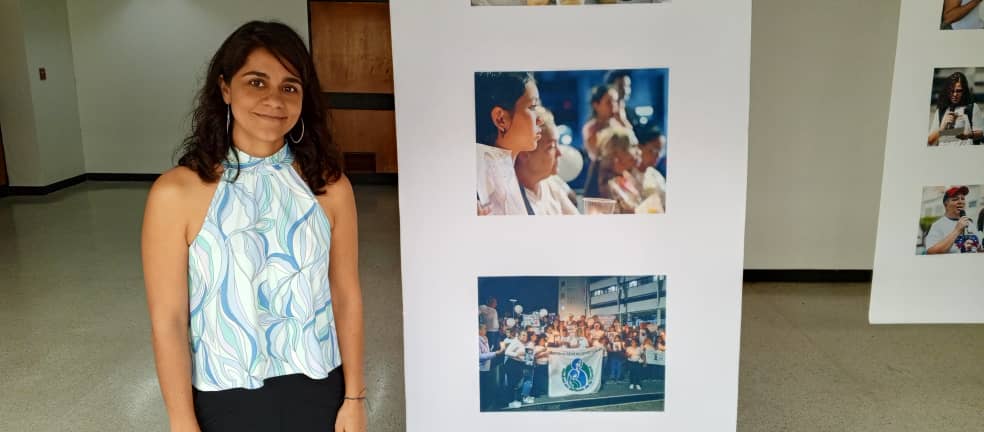
Social activist Oscar Murillo, general coordinator of the Venezuelan Program for Education-Action in Human Rights (Provea), said: “Today, our country has 500 political prisoners. Our question is: When will they be released?”
He said that “today, more than ever,” they remain “in the struggle to defend the human rights of all Venezuelans.” He made the statement during the presentation of the book titled “No siempre pierden las de abajo: Crónicas de la represión postelectoral en Venezuela (2024-2025).
He said the book recalls nine cases that “in some way can represent or universalize the suffering and pain of so many families who were victims of large-scale repression, which set a negative precedent in Venezuela’s contemporary history.”
Along the same lines, he added that “the underlying purpose and importance of presenting this book and holding this event is for the victims to take ownership of the narrative and tell the true story of what happened.”
“Today we make use of the power that comes with writing the real history. At this moment, we highlight the continued relevance of the victims, who are at the center of our country’s social and political debate, saying: This is what happened to us in terms of human rights. But not out of resentment; rather, with the intention of demanding justice, demanding guarantees so that this never happens again and, of course, so that this may also serve as an encouragement toward a Venezuela with justice, with memory, with due process, and where the Constitution is respected as the main guarantee of human rights,” the social activist argued.
By Dr. Yahvé Álvarez (Journalist and Historian) — @yahveal