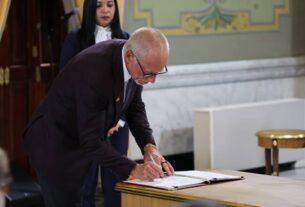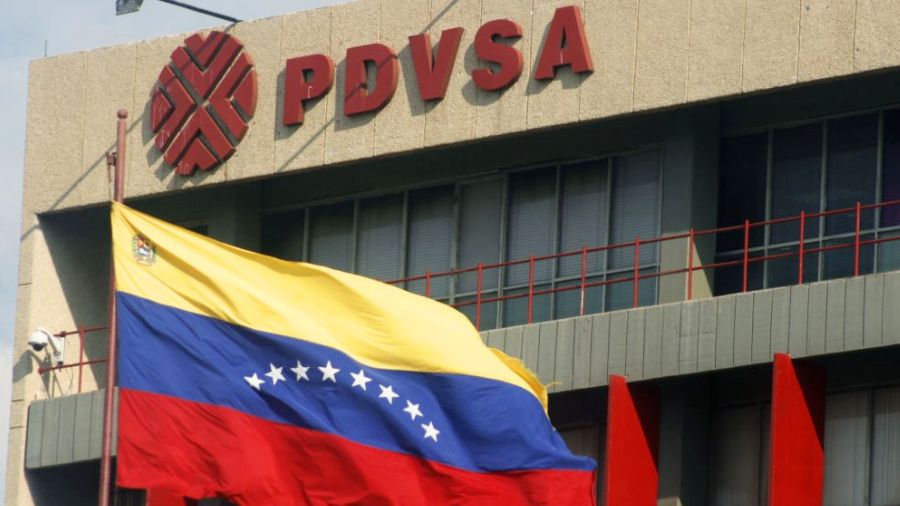
The Daily Journal. — Héctor Obregón Pérez, president of Petróleos de Venezuela (PDVSA), said the state-owned oil company has maintained a continuous investment plan since 2024 aimed at restoring its processing facilities to independently meet the country’s entire demand for gasoline and diesel. As a result, Venezuela’s refining system currently has a capacity of 350,000 barrels per day.
“Since 2024, PDVSA has been restoring its refining capacity. In other words, we have been investing in our refineries, and we currently have a refining capacity of 350,000 barrels per day. These 350,000 barrels have allowed us to process enough gasoline and diesel to meet domestic demand,” Obregón said.
Obregón said the increase in operational capacity allowed PDVSA and the Ministry of Hydrocarbons to avoid fuel imports throughout 2025 and so far in 2026, marking the first time in several years that they have not needed foreign supplies. He said this achievement aligns the company with policies aimed at replacing imports and strengthening domestic production.
“In 2025, for the first time in many years, PDVSA and the Ministry of Hydrocarbons did not have to import fuel to meet domestic demand (…). The same has happened during these eight months of 2026. Fortunately, we have managed to supply the gasoline and diesel that the market requires,” he said.
Obregón also praised the positive impact of operating agreements and participation-based business arrangements (CPPs) on Venezuela’s oil production. He pointed to the Zamora field as an example of their success, noting that production there increased from 20,000 barrels per day to more than 100,000 barrels per day thanks to joint investment with the private sector.
Obregón Pérez also confirmed that PDVSA exceeded its production target, closing at 1.233 million barrels per day despite operational shutdowns implemented to protect crude inventories amid the blockade. He said these challenges prompted strategic planning to reform the Hydrocarbons Law alongside President Delcy Rodríguez and the hydrocarbons sector team.
“This contractual model (…) led us, beginning in late 2025, together with our President Delcy Rodríguez and the team working within the hydrocarbons sector, to consider reforming the Hydrocarbons Law,” he said.
By Dr. Yahvé Álvarez (Journalist and Historian) — @yahveal