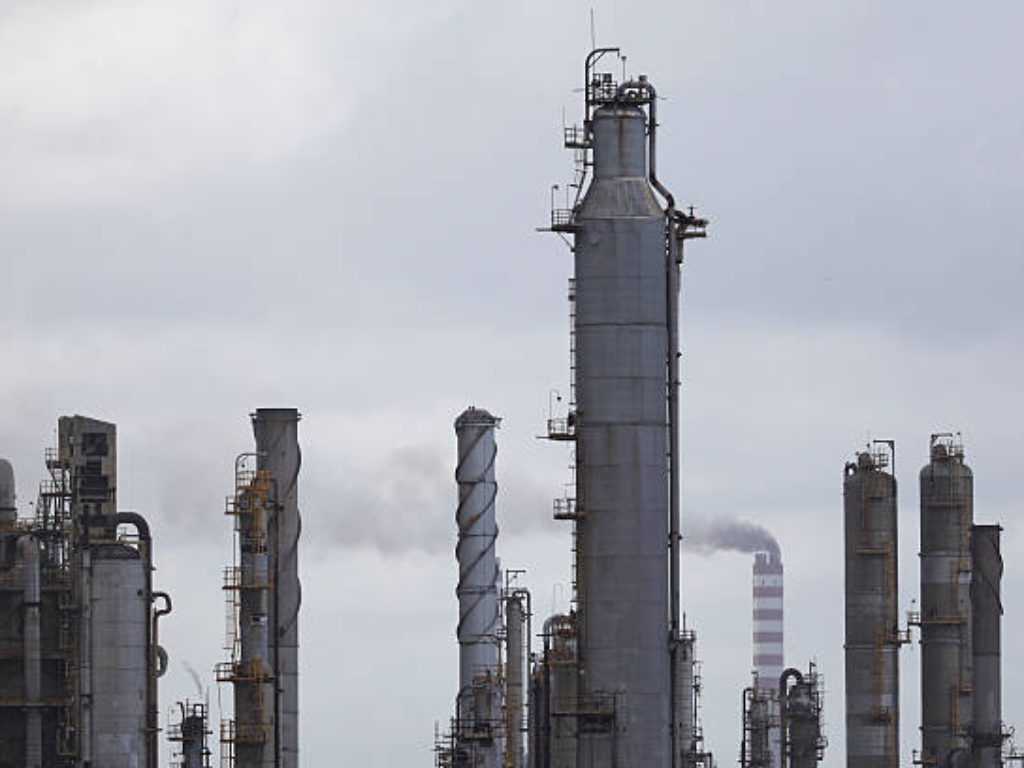
Julio A. López, Editor-in-Chief. – The dispute over control of Petrodelta, the joint venture that operates six oil fields in eastern Venezuela, escalated this week. DP Delta Finance B.V., the private partner whose 40% stake the Ministry of Petroleum revoked in May, publicly stepped up its claim and alleged that it had been stripped of its assets and rights through a sanctioning procedure it describes as arbitrary, with damages it estimates at more than US$2 billion.
A partner with a history of turmoil
Petrodelta has a long history of failed attempts since its inception. The company began as a partnership between state-owned Corporación Venezolana del Petróleo, Petróleos de Venezuela (PDVSA) and a minority private partner, and operates the El Salto, Temblador, Uracoa, Isleño and Bombal fields in Monagas state, as well as Tucupita in Delta Amacuro state.
In 2016, Venezuelan tycoon Oswaldo Cisneros acquired, through Barbados-based CT Energy Holding, the minority stake previously held by U.S.-based Harvest Natural Resources and Argentina’s Pluspetrol, pledging to triple production to 115,000 barrels per day through a US$1.13 billion loan to PDVSA. Cisneros died in Miami in November 2020, leaving that stake as part of a disputed inheritance that his widow, Mireya Blavia-Cisneros, and his children currently manage through DP Delta Finance.
Despite those promises, Petrodelta’s production never took off: according to PDVSA data cited by Bloomberg, the joint venture was producing about 9,000 barrels per day in July, far short of the 110,000 barrels it had set as a five-year target under a 2016 agreement, and well below Cisneros’ original goal.
According to a DP Delta statement cited by media outlets, the project produced about 12 million barrels between 2022 and 2026, generating US700millionfortheRepublic,whileitsservicessubsidiary,DeltaServicios,wentunpaidforUS100 million between January 2021 and March 2026 due to repeated defaults by PDVSA.
The revocation and DP Delta’s response
The Ministry of Petroleum revoked DP Delta Finance’s minority stake in Petrodelta in May, arguing that the company had failed to meet its investment and production commitments, according to documents reviewed by Bloomberg.
DP Delta rejected the decision, called it illegal, and maintains that it never received proper notice of the administrative investigation that led to the termination of its contract. The company now seeks compensation of about US$2 billion for what it considers a confiscation of its assets and operating rights.
On top of that amount comes a separate debt: according to sources cited by Bloomberg, PDVSA owes DP Delta Finance more than an additional US1billioninfinancing,structuredbondsandoutstandingdividends,includingaboutUS770 million from crude oil sales that remained unsettled as of June 2026.
The door opens to a new U.S. partner
DP Delta’s exit comes as Venezuela negotiates the entry of new private investors into Petrodelta. California-based Pacific Coast Energy Company (PCEC) is close to reaching an agreement with PDVSA to acquire a majority stake in two blocks that form part of the joint venture, according to sources cited by Bloomberg.
“Our goal is to protect existing jobs in Venezuela and create new ones, generate highly skilled employment in the United States, based in Houston, contribute to U.S. energy security and provide much-needed royalty revenues to the Venezuelan state,” the company said in a statement.
Days earlier, another U.S. firm, Lionheart Capital, had announced a non-binding letter of intent to invest US$400 million in another oil project in the country.
A test of legal certainty amid the opening
Observers are closely watching the case as a barometer of the legal certainty Venezuela can offer new foreign investors drawn by the oil reform and the partial lifting of sanctions.
So far, no court or arbitration ruling has determined whether PDVSA or the Venezuelan state bears responsibility for the amount claimed. For now, DP Delta Finance has brought the dispute unilaterally and, according to official U.S. records, remains active with representation in Washington in 2026.