The Daily Journal – The Venezuelan Observatory of Social Conflict (OVCS) documented 1,101 protests across Venezuela in September 2026, averaging 37 demonstrations per day and marking a 489% increase compared with the same month in 2025, when the organization recorded 187 protests, according to its monthly report.
Power outages emerged as the leading cause of demonstrations, triggering 531 protests compared with just 25 in September 2025, a 2,024% increase. Compared with August 2026, when the observatory recorded 223 demonstrations over electricity failures, the figure rose by approximately 138%.
The observatory also counted 376 nighttime protests, representing 34% of the month’s total, primarily involving communities experiencing prolonged electricity outages.
According to the report, residents organized gatherings, blocked streets, banged pots and pans, and, in some cases, burned tires to demand responses from authorities over blackouts lasting anywhere from six to more than 48 hours, based on complaints the organization collected.
“Electricity became the main trigger for community mobilization,” the OVCS stated, warning that power disruptions also affect drinking water supplies, food and medicine preservation, and work and educational activities.
Public services and wages dominate protest demands
Economic, social, cultural, and environmental rights accounted for 911 demonstrations, representing 83% of all protests during September. Meanwhile, civil and political rights appeared in 190 protests, or 17%.
Housing rights topped the list of specific demands, appearing in 689 demonstrations, or 63% of the total. The observatory primarily linked these complaints to deficiencies in essential services, including power outages, drinking water restrictions, sewage problems, deteriorating roads, and failures in waste collection.
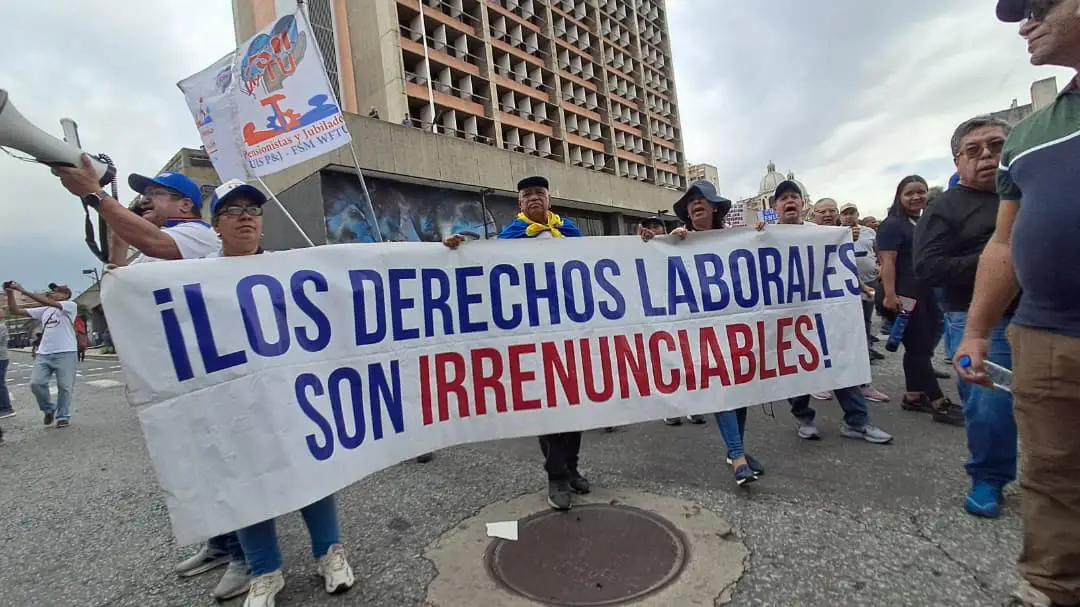
Labor demands ranked second among the main rights protesters sought to defend, with 223 demonstrations. Workers from various sectors demanded adequate wages, restored purchasing power, and compliance with collective bargaining agreements. Healthcare workers also organized demonstrations to demand salary improvements, year-end bonuses, and employment benefits.
Protesters demanded social security rights in 111 demonstrations, while healthcare concerns appeared in 101. Retirees, pensioners, and workers called for adequate pensions, payment of outstanding amounts, the restoration of benefits, and access to medicines and medical care.
Regarding access to drinking water, the OVCS recorded 124 protests. In Nueva Esparta, residents reported waiting more than 30 days for piped water and relying on tanker trucks for their supply.
Lara led the country in protests
Lara recorded the highest number of demonstrations among Venezuela’s states, with 96 protests, followed by Anzoátegui with 91; Carabobo and Portuguesa with 88 each; and Zulia with 81.
Regarding protests specifically related to electricity services, Carabobo recorded 67 demonstrations, Portuguesa 66, Anzoátegui 65, and Zulia 62.
The observatory also documented 563 public gatherings, representing 51% of all demonstrations, followed by 360 street or avenue blockades, 37 marches, and 35 pot-banging protests—a total of 496 demonstrations, or 45%, involved demands concerning more than one right.
Political demands and reports of repression
Civil and political demands included calls for the unconditional release of political prisoners, respect for due process, electoral guarantees, the renewal of public authorities, and opposition to alleged arbitrary actions against political leaders, communities, and demonstrators.
The OVCS recorded 166 demonstrations on the right to political participation and 162 on access to justice. Among the initiatives highlighted in the report was the “Route of Pending Answers,” an effort led by relatives of political prisoners and human rights organizations.
During September, the observatory also documented security forces repressing 28 protests across 11 states, along with 24 demonstrations in ten states denouncing alleged human rights violations by security agencies.
According to the report, the 69% increase in protests compared with August and the 489% rise over September 2025 reflect intensifying social unrest.